

Crimson Desert is finally running on Intel Arc GPUs, ending a stretch where the title wouldn’t launch on the hardware at all. A new Intel graphics driver removes that barrier, letting players get in for the first time without workarounds.
That comes after months of tension between Intel and developer Pearl Abyss. At launch, Arc cards triggered an unsupported hardware error, even as Intel said it had tried to coordinate testing and optimization with the studio. The disconnect left Arc users locked out completely.
Now, with the latest Game On driver, users report the title boots and runs, especially on cards like the Arc B580. It’s a meaningful step forward, but the experience still needs polish as more players start testing it.
How Intel fixed the lockout
The breakthrough arrives with Intel’s Game On driver version 32.0.101.8629, which removes the block that previously stopped the title from launching on Arc hardware. Before this update, users couldn’t get past the error screen, no matter their settings.
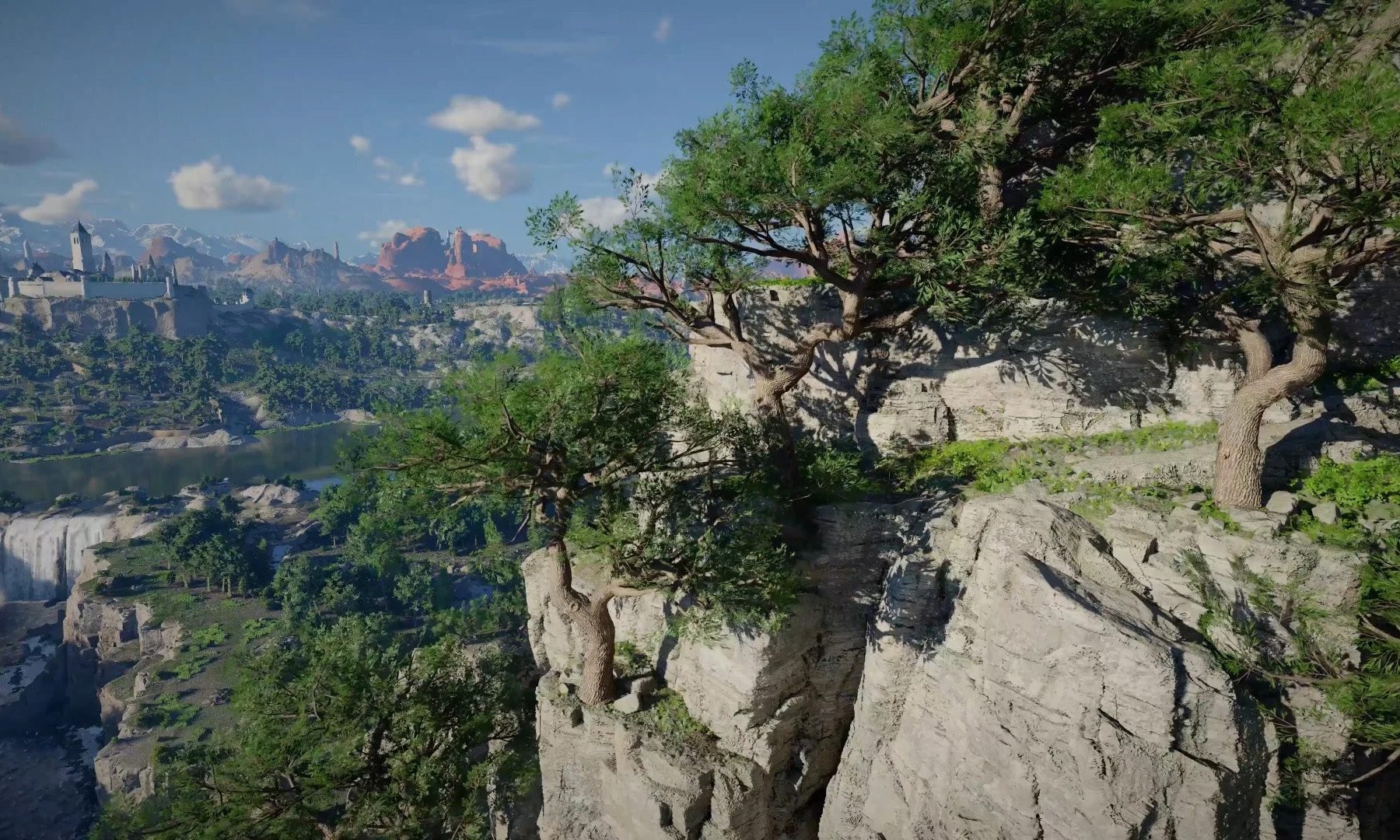
That lack of support sparked visible friction. Pearl Abyss acknowledged the gap at launch, while Intel pushed back, saying it had made repeated attempts to help validate performance on its GPUs. That public back and forth raised pressure to deliver a fix.
Where performance falls short
Getting into the game is only part of the picture. Early feedback points to an uneven experience, with noticeable visual and technical issues still present.
General gameplay appears stable in motion, but character models can show facial artifacts that break immersion. Terrain rendering issues also appear in some areas, which suggests optimization for Intel hardware is still incomplete.

Stability remains a concern in certain setups. Some users say adjusting settings helps reduce problems, but enabling AMD FSR can trigger crashes. The title supports FSR 4 and NVIDIA DLSS 4.5, yet Intel’s XeSS is missing, leaving Arc users without a native upscaling option that fits their hardware.
What Arc users need next
This update establishes baseline compatibility, but it doesn’t reflect a fully optimized experience yet. The game runs, though it doesn’t fully tap into what Intel GPUs can deliver.
XeSS support stands out as the next logical addition. Without it, Arc users have fewer ways to balance performance and image quality compared to players on competing hardware.
Bug fixes will likely come first as more players surface edge cases across different setups. For now, Arc owners can finally jump in, but waiting for a few more updates will likely result in a smoother and more consistent experience.


