  1. Home
  2. Computing
  3. Mobile
  4. Web
  5. Legacy Archives

Digg Reader coming June 26, just before Google Reader shutters for good on July 1

Add as a preferred source on Google
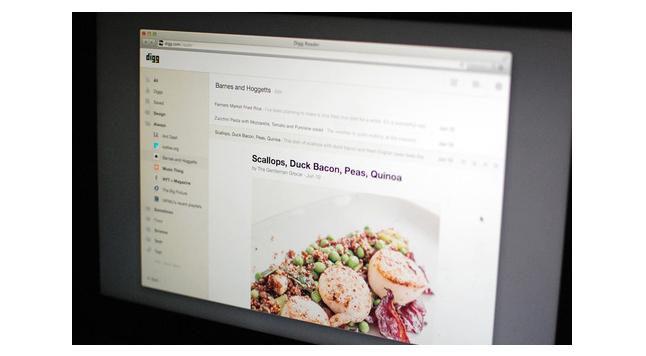
Digg Reader screenshot
Image used with permission by copyright holder

Google Reader users looking for a new home for your RSS feeds have just enough time to give the Digg Reader a try before the Google-powered service is retired on July 1. Digg announced in a blog post today that its Web-based RSS reader will open for business on June 26, which gives you exactly five days to move your feeds to Digg before Google makes them vanish.

While Digg envisions a more feature-rich Reader than its predecessor, at this point, Digg is just looking to keep the lights on on your feeds so that you don’t miss any updates to your favorite websites when Google Reader shuts down in exactly two weeks. The company is aware that power users “depend on the availability, stability, and speed of Reader every day,” so it’s committed to getting the bare-bones tool up and running first, then expanding its functionality over the next 60 days and beyond.

Recommended Videos

Phase One involves keeping Reader simple, fast, and, most importantly, easy to import your feeds and folders into Digg. You should be able to receive all the latest updates to your favorite websites – whether it’s new photos, videos or articles – and they should automatically sync with your mobile app so that you can share, subscribe, save or organize the content however you like. As you can see in the screenshot above, the Digg Reader interface is very clean and no-nonsense. All your feeds are listed along the left beige sidebar where you can scroll through the content to decide what to read.

Although Digg would like to turn its Reader into a “freemium” service with some features reserved for paying users, it is promising not to do a “bait-and-switch” by keeping its most basic features – like the ones that will be launching on June 26 – available to even non-paying users. Digg Reader_mobile app
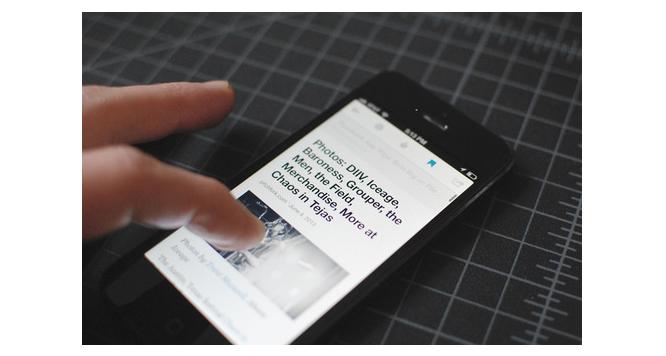
The company promises that within 60 days of this initial launch (or by the end of August), it will be introducing the Digg Reader for Android app (as pictured above), increase the service’s speed, integrate with third-party tools like Evernote, release better features for organizing content (to filter, rank and sort materials), as well as respond to user feedback. That’s an ambitious plan to accomplish within a relatively short amount of time. We have a feeling that users will be plenty content with a free RSS feed that works by July 1. Any additional features will be just icing, at least for now.

Not sure if Digg’s Reader is for you? Check out our list of the best Google Reader alternatives.  

Gloria Sin
Former Contributor
Gloria’s tech journey really began when she was studying user centered design in university, and developed a love for…
Microsoft is retiring the Together Mode in Teams in favor of something cleaner and simpler
Teams is retiring Together Mode for layouts people may actually use
Computer, Electronics, Laptop

Microsoft Teams is retiring one of its more recognizable meeting features, and it might be for the best. The company announced that Together Mode is going away in Teams as Microsoft is shooting towards a simpler set of meeting layouts.

To recall, Together Mode was introduced during the pandemic-era video call boom, placing participants inside shared virtual environments such as auditoriums or classrooms. It was a cute idea at the time, but it never became the everyday meeting view for most people.

Read more
Experts are worried that smarter AI gets, the dumber we might become
Experts say chatbots can help research, but leaning on them too hard risks outsourcing the work that builds intelligence
OpenAI CEO Sam Altman during the Uncapped podcast in June 2025.

AI can now answer questions so quickly that the search itself can feel optional. That convenience worries the Royal Observatory Greenwich, which has warned that instant AI answers can weaken the curiosity, scrutiny, and source-checking behind real knowledge.

The risk hides inside the usefulness. Chatbots can help people test ideas, move faster, and find new angles, but a finished response can also cut users off from the messy trail that makes learning stick. When that happens, information arrives without the struggle that turns it into judgment.

Read more
Miss the old PC days? This website lets you experience Wikipedia like it’s Windows XP
This XP-style Wikipedia explorer turns online research into a nostalgia trip, while showing how much browsing changes when search takes a back seat
File, Webpage, Person

Wikipedia has an unofficial new front door, and it looks like a desktop from a very specific era of family PCs, school labs, and chunky blue title bars.

Developer Sami Smith has built a browser-based Windows XP Wikipedia explorer that turns categories into folders and articles into documents. It’s playful, slightly inefficient, and more interesting than another AI search box bolted onto the web.

Read more