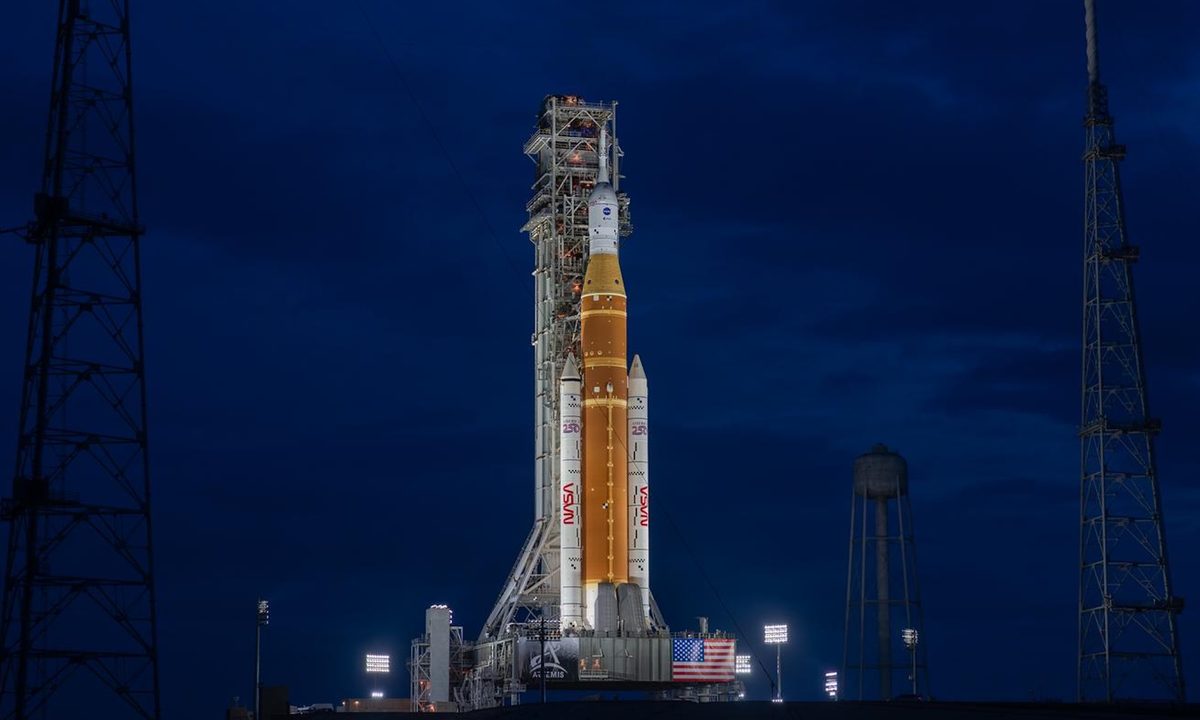
Seven hours into its journey, Artemis II hit a snag that would feel familiar in any office. The mission commander lost access to Microsoft Outlook on his onboard device, cutting off email mid-flight according to Wired.
The issue showed up on a personal computing device used to manage mission data and communications during the 10-day lunar flyby. When both Outlook instances stopped responding, the commander called Houston for help and asked ground teams to check the system.
It’s a small moment in a major mission, but it lands clearly. Even on a spacecraft heading farther than humans have traveled in decades, these glitches still follow.
Houston had to step in
The failure quickly turned into a support case. With both Outlook instances down, the crew relied on mission control to troubleshoot the issue in real time.
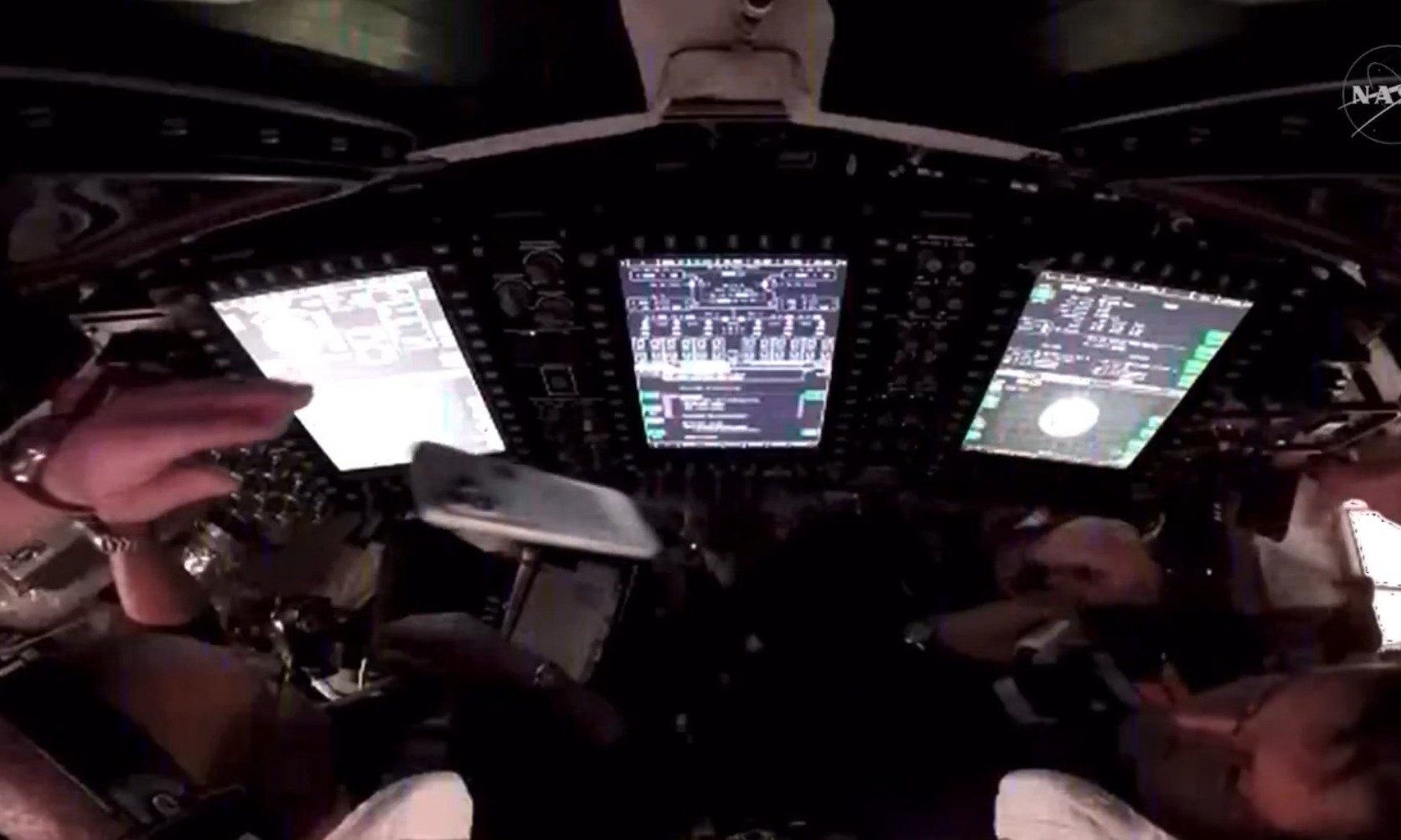
From orbit, the commander asked Houston to access the system and investigate. Ground teams confirmed they would log in and run checks, turning part of a lunar mission into something closer to a remote IT session.
These devices handle core onboard work, including mission data and communication workflows. When email drops out, even briefly, it can interrupt tightly scheduled tasks the crew depends on.
Not even space escapes software quirks
There’s still no confirmed cause, and both NASA and Microsoft were asked for more detail at the time. The likely triggers, though, are familiar, including add-in conflicts, storage limits, or corrupted app instances.
Modern missions rely on layered systems that combine specialized hardware with widely used software. That mix adds flexibility, but it also introduces more points where things can break under pressure.
A small glitch, big perspective
The outage was frustrating, but it stayed on the low end of mission risk. The flight continued as planned, and the issue appears limited to email rather than any critical system.
Spaceflight has seen far worse outcomes from software mistakes, including early missions where tiny code errors led to total loss. Against that history, a frozen inbox is manageable, even thousands of kilometers from Earth.
Reliance on familiar tools isn’t going away anytime soon. As more mission systems use commercial software, expect more of these moments to surface, just far beyond where most bugs usually appear.