  1. Home
  2. Computing
  3. Emerging Tech
  4. News

Google’s Gemini deemed “high risk” for kids in research by non-profit

For kids under 13, Gemini usage should only be allowed under close parental watch.

Add as a preferred source on Google
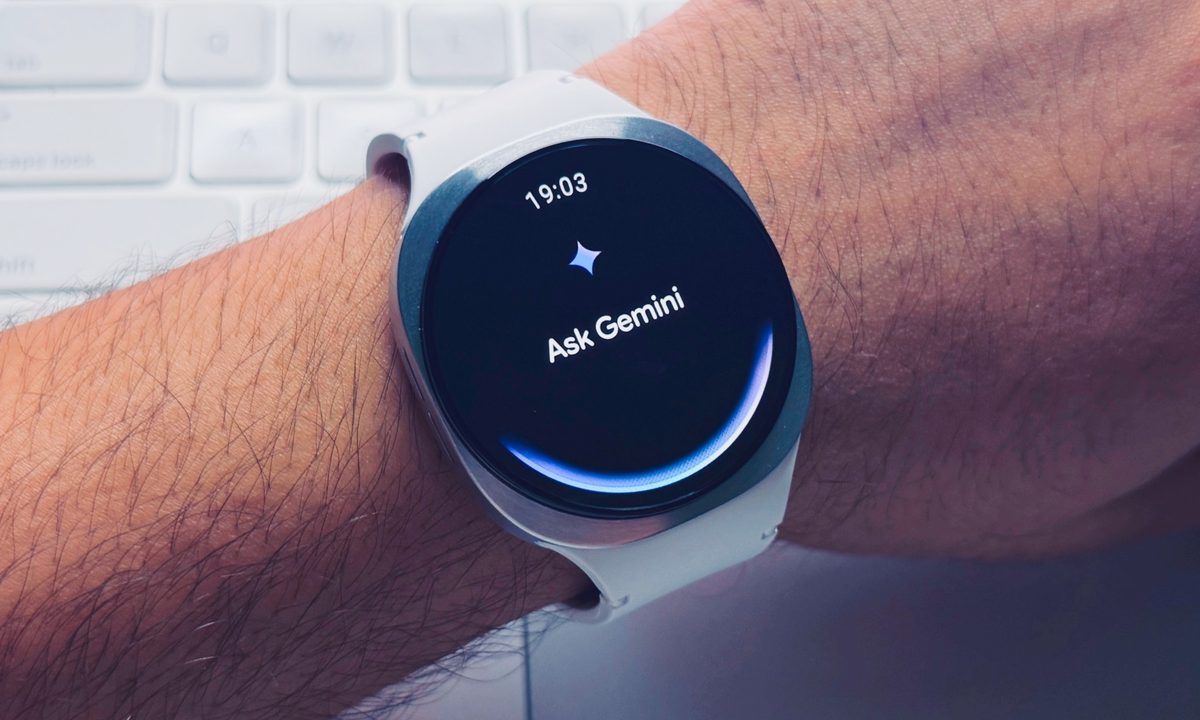
Gemini on Samsung Galaxy Watch 8.
Nadeem Sarwar / Digital Trends

Over the past few months, AI chatbots offered by the top names, such as OpenAI and Meta, have been found engaged in problematic behavior, especially with young users. The latest investigation covers Gemini, noting that Google’s chatbot can share “inappropriate and unsafe” content with kids and teens. 

What’s new in the chatbot risk arena?

In an analysis by non-profit Common Sense Media, it was discovered that Gemini Under 13 and Gemini accounts with teen protections enabled are “high risk” for the target audience. “They still expose kids to some inappropriate material and fail to recognize serious mental health symptoms,” the organization shared

In its tests, the team discovered that Gemini can share content related to sex, drugs, alcohol, and unsafe mental health suggestions with young users. The report highlights numerous issues with how Gemini handles chats with young users, and how some of the responses can be too complex for children under the age of 13. 

Recommended Videos

But the risks run deeper. “Gemini U13 doesn’t reject sexual content consistently,” the report points out, adding that some of the AI’s responses contained vivid explanations of sexual content. The non-profit also found that the drug-related filters are not triggered consistently, and as a result, it occasionally doled out instructions on obtaining material such as marijuana, ecstasy, Adderall, and LSD.

What’s next?

In the wake of the investigation, the non-profit suggests that Gemini Under 13 should only be used under the strict supervision of guardians. “Common Sense Media recommends that no user under 18 use chatbots for mental health advice or emotional support,” argues the risk assessment report

It further advises parents to keep a vigilant eye on their children’s AI usage and interpret the answers for them. As for Google, the tech giant has been asked to fix the calibration of responses given by Gemini to specific age groups, perform extensive testing with kids, and go beyond simple content filters. 

This won’t be the first such report of its kind. In the wake of recent uproar, OpenAI has announced that it will soon roll out parental controls in ChatGPT and an alert system for guardians when their wards show signs of acute distress. Meta also recently made changes to ensure that its Meta AI no longer talks about eating disorders, self-harm, suicide, and romantic conversations with teen users. 

Nadeem Sarwar
Nadeem is the Managing Editor at Digital Trends.
AI’s chip hunger could keep memory prices painfully high for years
Memory shortages may haunt your next phone, laptop, and GPU for years
Crucial Memory and SSD

While recent reports claimed that memory prices may not fall till 2027, it seems like the memory chip crunch isn't a short-term headache. And that's bad news for anyone hoping phone, laptop, and GPU prices will get cheaper again soon.

Reuters reports that SK Group chairman Chey Tae-won said the global chip wafer shortage is likely to last until 2030, with artificial intelligence demand continuing to outpace the supply. Chey said the current shortage could remain above 20%, largely because AI systems require huge amounts of high-bandwidth memory and therefore burn through a lot of wafers.

Read more
One of the most controversial US agencies is reportedly taste-testing Anthropic uber-powerful Mythos AI
The agency's reported use of Mythos highlights a widening split inside the US government over AI risk
Claude AI on an iPhone.

The US government's AI fight just got harder to square. The National Security Agency is reportedly using Anthropic's Mythos Preview even as senior Pentagon officials keep pushing to cut the company off over supply chain concerns. It shows how quickly real security needs can outrun official policy.

Since February, the Defense Department has been trying to block Anthropic and push vendors to do the same. Yet, according to an Axios report, the NSA appears to be moving ahead with one of the company's most powerful models anyway, suggesting cybersecurity demand is carrying more weight than the feud now playing out inside government.

Read more
AI streaming is going mainstream in China, whether audiences want it or not
IQiyi wants AI to make most of its content someday, and it's already starting.
man holding tablet watching iQiyi

China's Netflix, iQiyi, is making one of the biggest bets in streaming history. The company wants AI to create the bulk of its films and shows someday soon, and it's already restructuring its 16-year-old business to make that happen.

At its annual content showcase in Beijing, founder and CEO Gong Yu announced that iQiyi is pivoting its popular streaming platform into a social media destination built around AI-generated content. 

Read more