  1. Home
  2. Computing
  3. News

OpenAI is bringing in the mighty Codex tool to the ChatGPT app on your phone

The ChatGPT mobile app now has Codex so you can manage coding tasks anywhere.

Add as a preferred source on Google
openai-codex-chatgpt-app-remote-monitoring-feature
OpenAI

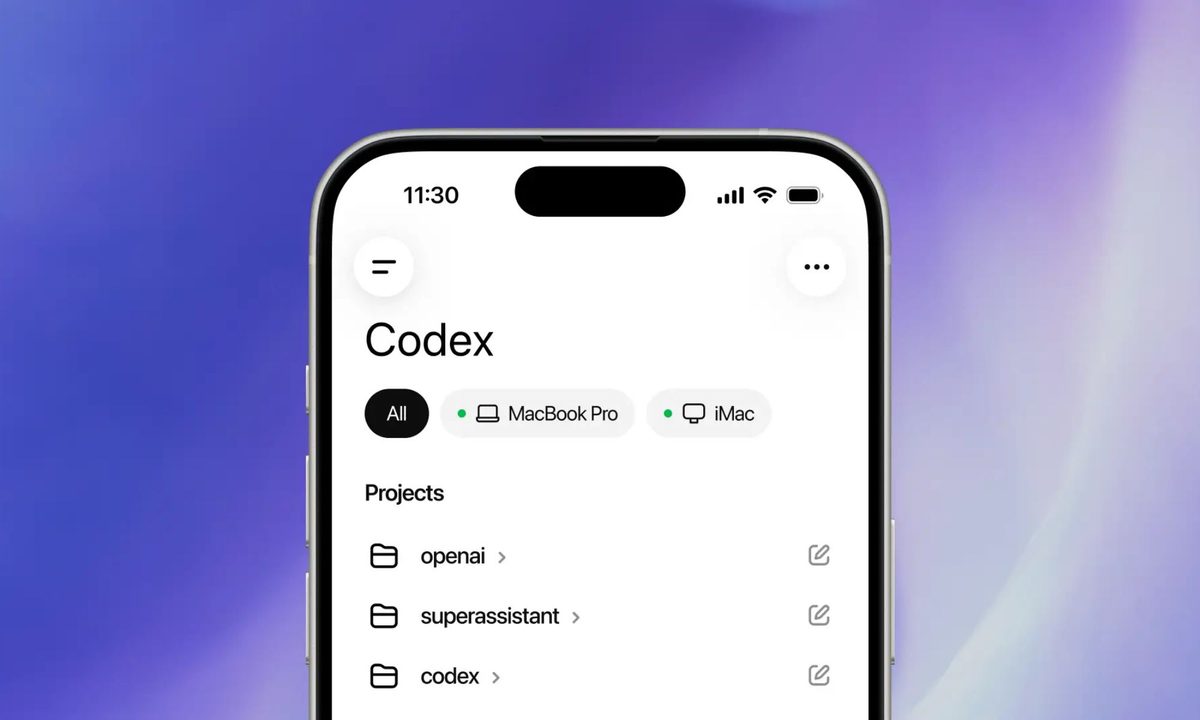
If you have ever wanted Codex to work through your bugs and pull requests while you grab coffee or commute, OpenAI just made that possible. Codex, the company’s AI-powered coding agent, is now available in the ChatGPT mobile app on iOS and Android.

The feature is currently rolling out in preview across all plans, including Free and Go, in all supported regions. For now, mobile support works with the macOS Codex app. Windows support is coming soon.

What can Codex actually do from your phone?
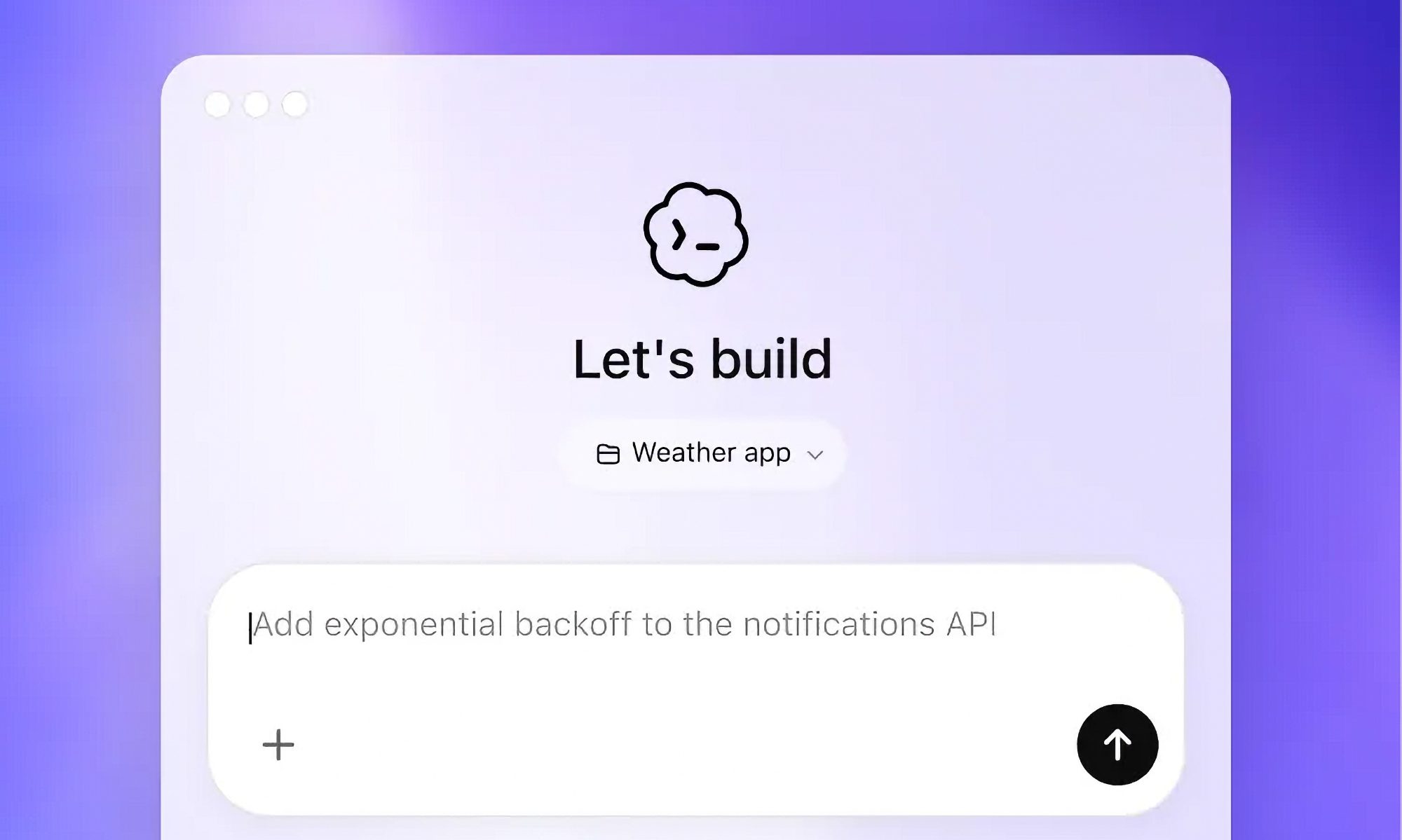
The mobile version is not about writing entire apps on a tiny touchscreen. Think of it more like a remote control for AI-powered coding sessions already running on your computer.

Recommended Videos

When you connect your phone to any machine where Codex is running, whether that is your laptop, a dedicated Mac mini, or a remote development environment, the app pulls in the live state from that setup.

From there, you can review active threads, approve commands, switch models, check terminal output, look at test results, and inspect diffs, all without being anywhere near your desk.

Your files, credentials, and local setup stay on the machine doing the work, while real-time updates flow back to your phone as Codex makes progress.

OpenAI uses a secure relay layer to keep your trusted machines reachable across devices without exposing them to the public internet.

OpenAI clearly sees Codex as a huge deal

The ChatGPT maker has been reshaping its products around Codex with confirmed plans to combine ChatGPT, Codex, and its Atlas browser into one larger AI “superapp.”

The company recently brought Codex into Chrome, putting its coding agent directly inside your browser. It even introduced quirky “Codex Pets” that show live progress updates while AI coding tasks run in the background.

The competition is heating up with rivals like Anthropic’s Claude Code which gained a remote monitoring feature, back in February. OpenAI is now making its own push, and clearly does not want to fall behind.


Manisha Priyadarshini
Manisha Priyadarshini is a tech and entertainment writer with over nine years of editorial experience.
The coolest things we saw at Computex 2026, from space-ready motherboards to fan-cooled mice
The PC hardware that stole the show for us at Computex 2026
Motherboard, mouse, Laptop and router

Computex 2026 is over, and as usual, the show floor was packed with more laptops, PCs, components, peripherals, and oddball gadgets than any one person could properly process in a few days. There were sleek ultrabooks, massive gaming rigs, AI PCs, experimental designs, and plenty of products that looked like they were built mainly to make people stop and stare.

A handful of products stayed on our minds long after we left the show floor. They weren’t always the most practical, powerful, or important announcements, but each had something memorable about it. So, in no particular order, here are the coolest things we saw at Computex 2026.

Read more
Microsoft just killed one of the coolest features of its Edge browser to favor more AI
RIP Collections, you were too practical for the AI era
Edge browser icon

No no no, we are not sad. *slumps in the corner crying*

Microsoft is officially shutting down Collections, one of the more unique productivity features inside the Edge browser, and many users believe the move reflects the company’s growing obsession with AI-first experiences.

Read more
MacOS 27 could finally end Intel Mac support and bring smarter Siri upgrades
MacOS 27 rumors suggest Apple is ready to emotionally damage Intel Mac owners
MacOS

Apple’s next major Mac software update may mark the beginning of the end for Intel-powered Macs while also pushing deeper into AI-powered experiences. New rumors surrounding macOS 27 suggest Apple is preparing significant changes ranging from smarter Siri capabilities to refinements for its controversial “Liquid Glass” design language.

According to reports, macOS 27 could become the first version of macOS to substantially reduce or fully end support for Intel-based Macs, completing a transition Apple began in 2020 with the launch of its first Apple Silicon chips. While Apple has steadily shifted focus toward M-series processors over the past several years, macOS 27 may represent the clearest sign yet that the company is ready to leave Intel hardware behind. Although this is not new news - Apple was already looking to phase out Intel-powered Macs when it rolled out macOS Tahoe last year.

Read more