GPT-5 is the latest AI model release from OpenAI. It’s coined as one of the smartest AI models ever, and it’s the brains behind a number of AI tools. Those taking advantage of the latest GPT-5 update include ChatGPT, Microsoft Copilot and Perplexity, as well as a range of other AI chatbots available to the public.
These AIs have received a major upgrade after having previously run on GPT-4. GPT-5 allows for more complex answers to more complex questions as well as expanded creation capabilities allowing for more improved image and video creation.
Whether you’re a seasoned AI veteran or just curious about what AI has in store, I’ve brought together all the key points you need to know about GPT-5, OpenAI’s latest AI model.
What is GPT-5?
GPT-5 is OpenAI’s latest and flagship AI model, with this version now being the default system for a range of AI chatbots, including ChatGPT and Copilot. GPT-5 is much more intelligent than the previous GPT-4 mode with major improvements in front-end generation and complex questions.
One of the major benefits of GPT-5 includes enhanced reasoning capabilities, which allow for faster responses to more complex questions.
You also get expanded creation capabilities when it comes to image and video generation, which should in turn make generated content much more realistic.
This also means that when using these chatbots to speak to, you can expect more human-like responses when compared to the previous version.
Overall, GPT-5 just makes AI a whole lot smarter.

When did GPT-5 get released?
GPT-5 was announced by OpenAI on August 7th, 2025. It was then immediately implemented in a range of different AI companions that use OpenAI software, however, some of these chatbots limited the usage of GPT-5 to premium tiers, rather than being able to access it as a free user.
ChatGPT immediately made GPT-5 the default model for all users, including free users. For those who don’t want to use the new GPT-5 model, paid ChatGPT subscribers can still make use of the previous GPT-4 model by adjusting their settings. You might want to consider this as well, as there are a number of users complaining ChatGPT has changed its personality.
What does GPT-5 do?
OpenAI claims that GPT-5 is the smartest, fastest and most useful AI model yet with PHD level thinking which puts expert intelligence right in the palm of your hand. You can use GPT-5 for just about anything including simple admin tasks right down to more complicated image generation depending on what AI you’re using.
You can use GPT-5 as a simple chatbot just to ask questions or have a conversation, but there’s much more that’s possible. Its only limited by its physical interface – while it can’t fold clothes for you since it doesn’t have working arms or legs, it can tell you exactly how to fold clothes yourself.
GPT-5 is more advanced that its predecessor GPT-4 thanks to a deeper reasoning model which allows it to solve harder problems. Pair this with its new real-time router that can quickly decides on a response based on conversation type, complexity, too needs and your explicit intent within your message and you get a much smarter model which really feels human when you’re speaking to it.
Here is a list of everything that is new to GPT-5:
- It’s free for all users, with those on the free tier getting switched to GPT-5 mini when their main use ends
- It will modulate how much reasoning it does on
- It can now connect to Gmail and Google Calendar, so it can understand your schedule better (Pro users first)
- It’s designed to hallucinate less, offer greater reliability in its responses and generally be more dependable
- It offers a more natural, less ‘AI-like’ writing style
- Subscribers can alter the color scheme
- The Voice mode is coming to all tiers, and you can customize the responses to this (even down to ‘only answer with one word’)
- Study mode is more advanced, where you can ‘get personalized, step-by-step help to learn anything’
Which devices support GPT-5?
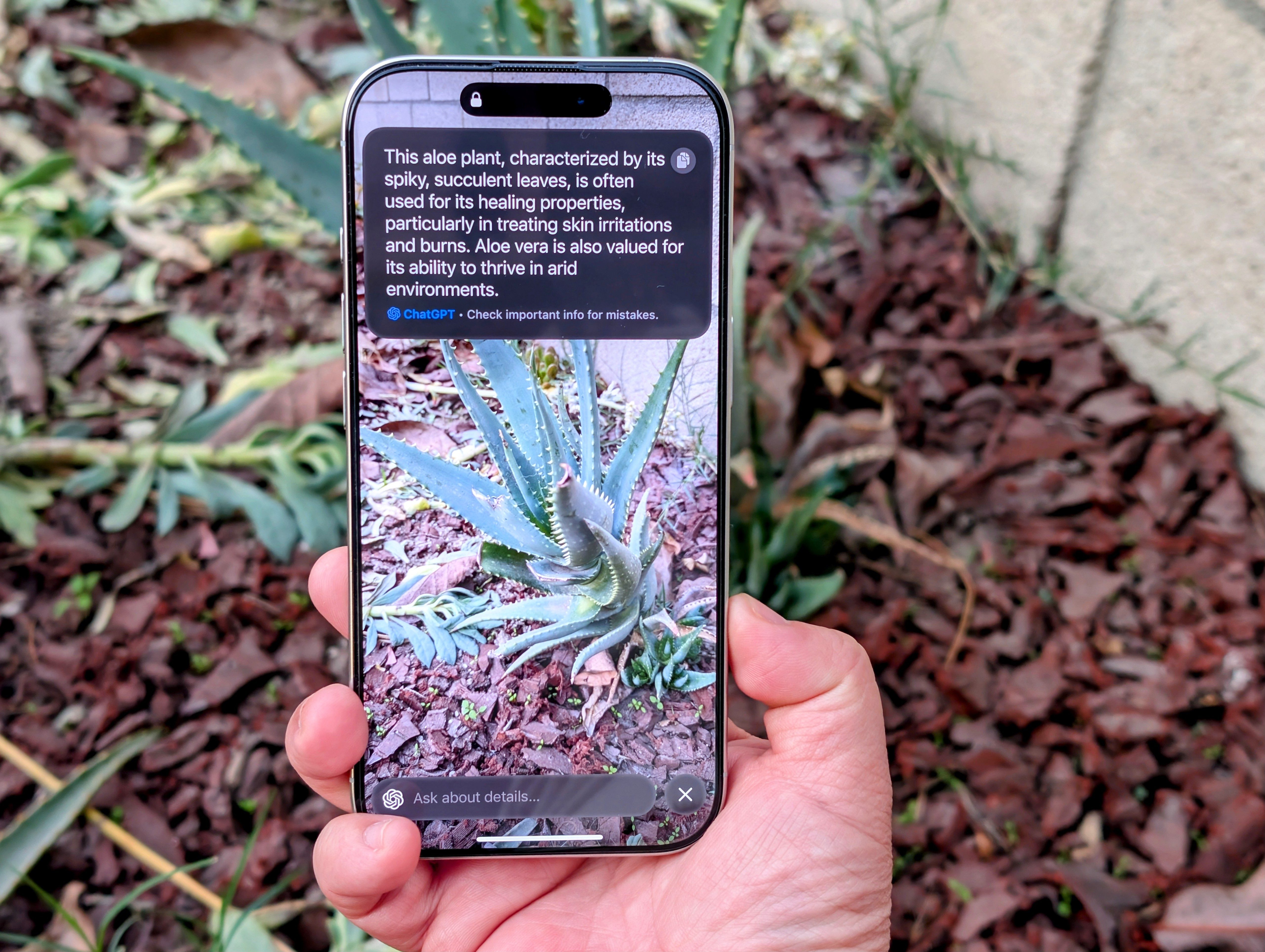
GPT-5 can be accessed on a range of platforms, whether that’s your browser, on PC, or laptop. You can also access it on mobile apps on both iOS and Android devices, but how you access GPT-5 will be down to which AI you actually choose to use.
There are a variety of options, including ChatGPT, Microsoft Copilot, and Perplexity. The apps for these AIs are practically identical to the web version, offering all of the features that you’d find on desktop.
All of them provide you with access to GPT-5 for free, meaning you don’t have to be a premium subscriber just to use OpenAI’s latest AI model.
How can I get GPT-5?
If you’re already an avid user of AI and you’re hoping to access GPT-5, the likely answer is you don’t have to do anything differently in order to use OpenAI’s latest AI model. ChatGPT has automatically been using the latest update for all users, so you can continue to use it as you normally would, as it’s already taking advantage of the new and updated edition.
Users who are on paid plans of ChatGPT, including Plus Pro and Team, have access to the model picker which can allow you to select previous and current versions of the model.
So if GPT-5 isn’t already selected, you can swap over to it using this. You’ll also have access to GPT-5 Thinking Edition, which thinks even deeper about the answers to questions, providing you with even more complex responses.
And if you find that GPT-5 just isn’t cutting it, you can swap back to GPT-4, but again, this is limited to those who are on paid plans of ChatGPT.