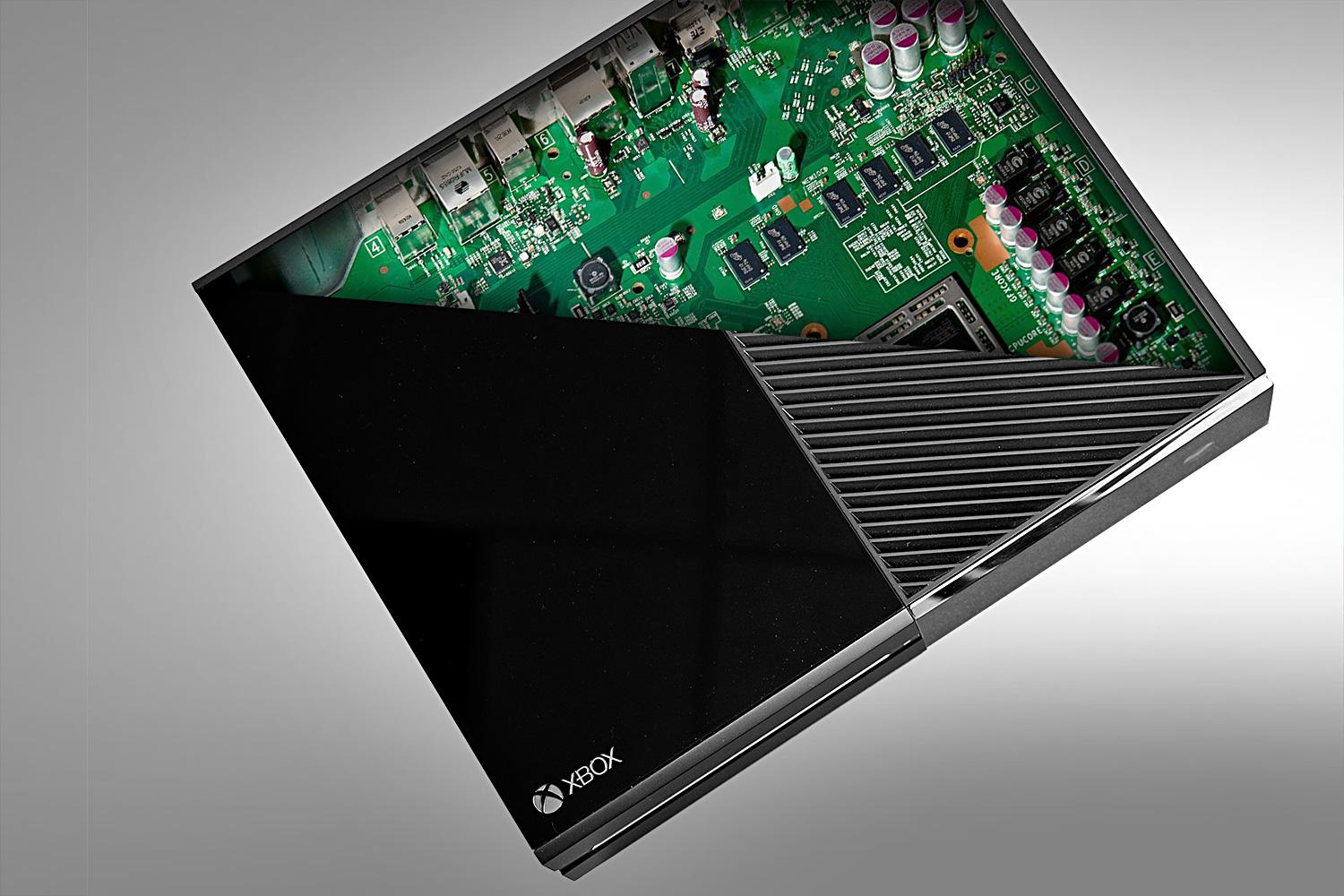
Microsoft has spoken at length about the many features of its new all-in-one entertainment console. Besides gaming, the system will also support control of cable television, streaming apps, and can hook up with a home network to read media files. The Xbox One will also include an upgraded version of Kinect that improves hands-free control and (mostly) removes the need for multiple remotes.
All of this is important, even revolutionary, but there’s more going on under the hood. A closer look reveals that even the label “all-in-one entertainment” doesn’t cover the broad potential the Xbox One presents. This is not a console as we’ve previously known it; instead, it’s a PC in console clothes.
The heart of a PC
Underneath the Xbox One’s exterior is a range of components derived from a standard PC architecture. As described in our deep-dive of the console, the One includes eight x86 cores tied together with DDR3 RAM and paired with an integrated Radeon-class GPU. The system also includes USB ports, an optical drive, and all the other extras you’d normally expect to receive from a mid-range desktop computer.
 That’s not to say the One is exactly the same as a PC, as a few notable differences have been confirmed. Most important is the super-fast 32MB ESRAM chip designed to offset the limited bandwidth of DDR3, and custom silicon designed to ship information around the system and help the console’s many functions communicate.
Even so, the One is very similar to a PC, and it’s deviations are minor speed-bumps compared to the hurdle of porting current-gen console software to an x86 computer. Developers will now be tweaking code designed for x86 rather than porting code from one instruction set architecture (PowerPC, the basis for the Xbox 360 and PlayStation 3) to another.
The mind of a PC
Sony’s PlayStation 4 has an architecture that’s even more closely related to a desktop PC because it uses far less custom silicon to enable system functions. Yet, in spite of this, the PS4 will never have the capabilities of a PC. Why? Because it doesn’t ship with Windows, and, in the eyes of many consumers, that’s the computer operating system.
You only need a sliver of imagination to envision users replacing many traditional PC roles with the combination of a console and tablet.
While the hints dropped at Build were small, the consequences could be huge. Could an app for the new console guide you through how to make a stew, geo-locate your friends, or remind you to go buy some milk? Does this potentially serve as an avenue for indie developers to self-publish their titles? And will developers be able to monetize as they do elsewhere, effectively creating an app store for your television? Porting Windows apps into the One’s environment would help developers make money and let consumers use the One for more than just entertainment.
Why PC compatibility matters
The battle for dominance among next-gen consoles hasn’t even begun, but with the Wii U still struggling, only Sony offers serious competition. There are certainly enough gamers in the world to sustain two consoles, so the One looks set to sell well even if it occasionally bursts into a ball of confetti.
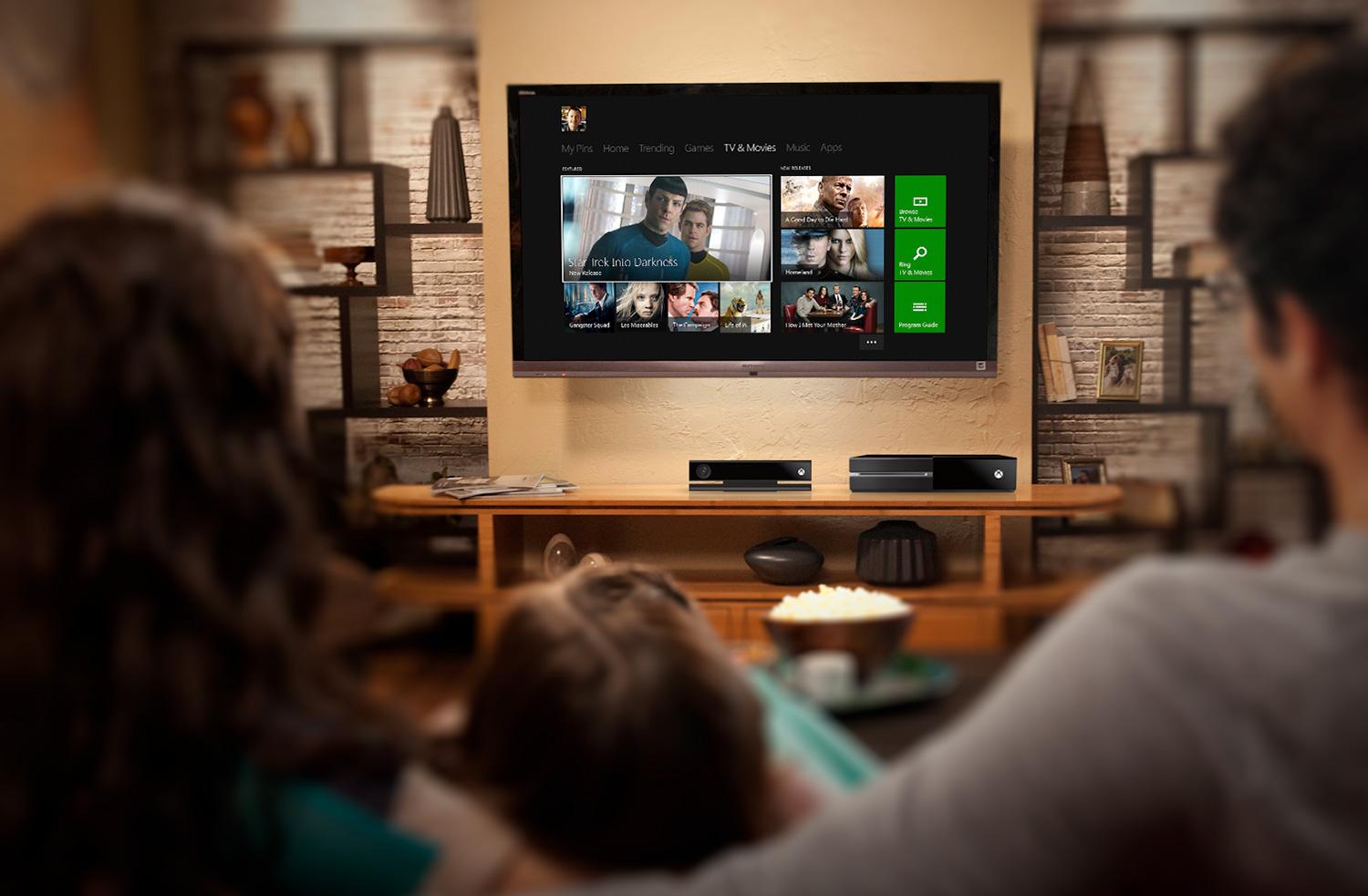 In other words, Microsoft is poised to send millions of PCs directly to consumers. They run x86 hardware, they run a Windows kernel, and it’s all but confirmed that they’ll be able to run Windows 8 apps (with a few tweaks, most likely). In addition to this, they’ll have access to all the media features that PCs are known for, plus they can be used to watch cable TV – something computers never made easy.
The One could be an extension of Windows into a new territory (the living room) that’s traditionally been unfriendly to Microsoft and has weakened the company’s ability to appeal to consumers. Extending the Windows 8 app environment to the living room could help developers sell software and help Microsoft unify the user experience. This could even help push users towards the company’s unpopular smartphones and tablets.
And the potential doesn’t stop there. Smartglass, the Xbox remote control app, could allow the One to operate as if it were a PC with a keyboard and mouse attached. You only need a sliver of imagination to envision users replacing many traditional PC roles with this combination of console and tablet. The two would complement each other perfectly – the console providing the horsepower, the tablet providing a friendly interface and remote control. Users could edit photos and movies, create presentations, or open spreadsheets right in the living room.
Will Microsoft innovate or fight itself?
This is where the story gets tricky, because Microsoft is a large, complicated company. None of the potential functions we’ve outlined are outlandish, and there’s no technical reason why they shouldn’t be possible. But what if the Windows division steps in to cripple the One’s capability, seeing it as a threat to Windows sales? Past in-fighting killed Courier, delayed ClearType, and destroyed early expeditions into eBooks, so such a move would be far from unprecedented.
Tim Cook, CEO of Apple, declared at the beginning of this year that his company’s “core philosophy is to never fear cannibalization. If we don’t do it, someone else will.” Microsoft should listen to its competitor and make sure that divisional jealously doesn’t hamper what might be. The One grants a rare chance to move before other tech giants are ready to respond. But, if this chance is squandered, others (including Apple) could quickly outflank Redmond. Again.