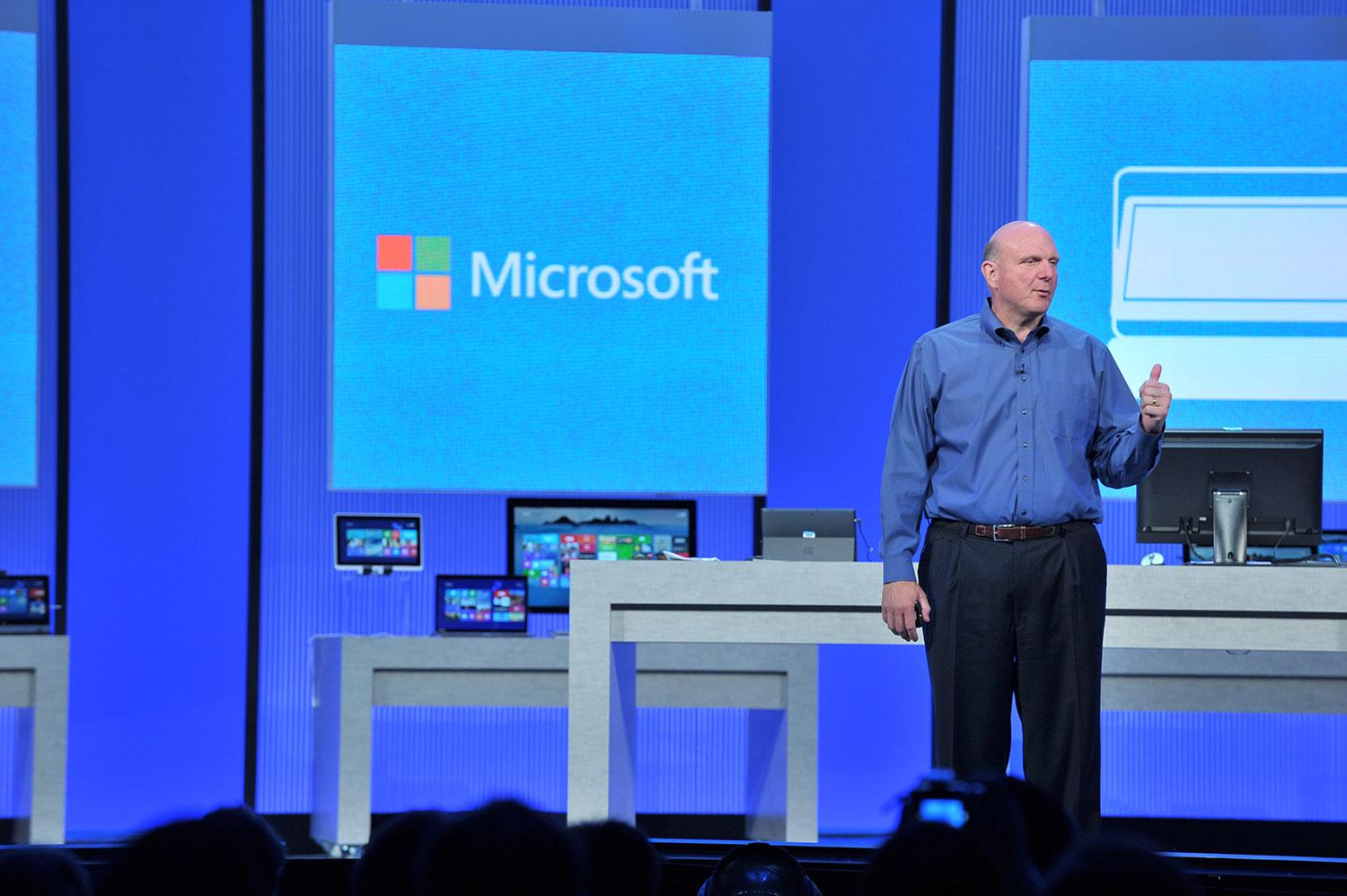
 We were critical of Microsoft going into its Build developers conference. While still clearly a large and powerful company with many ideas and many successful products, Microsoft is also an organization that’s running short of opportunities. Momentum doesn’t last forever, and opportunities for growth have started running dry.
To at least maintain its course, the company had to show movement on problems with Windows 8, a willingness to improve and expand the services behind its software, and a roadmap for the Xbox One as not just a gaming console, but as a platform for living room content of all stripes.
How did Microsoft do in each category? Here’s the scorecard.
Windows 8.1 is all features, no vision
Wednesday’s Build keynote was mostly focused on Windows 8.1 and its related features. We’ve already taken a hands-on look at the revised operating system, and there’s a lot to talk about. As said in yesterday’s wrap-up, Microsoft has clearly listened to user feedback and has implemented solutions to many common complaints.
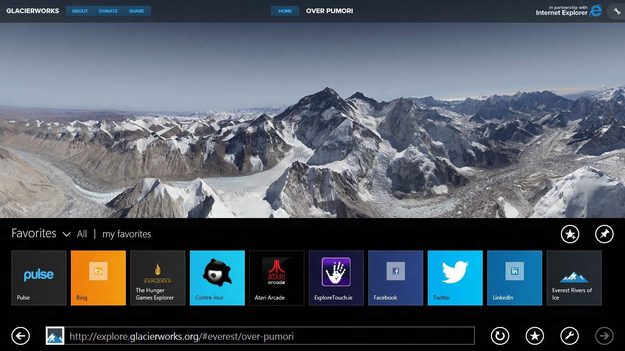
That’s great, but it also felt more like the company was not seeing the forrest for the trees. What is the grand vision of Windows 8, really? Is there one? Every feature, improvement, and tweak Redmond’s developers can think of has been thrown in, but some additions seem to move in opposite directions, and the core contradiction (the Desktop and Metro in a single operating system) remains.
Score: C+ (can’t stay focused)
Services are technically interesting, but remain unfriendly to consumers
If the first day’s keynote showed some sign that Microsoft may be listening to users, the second day indicated that it may still have a finger in one ear. Build is a developer’s conference, so we’re not surprised the second day focused almost entirely on stuff only serious programmers can truly appreciate. But at the same time, the lack of time spent talking about the quality of services – rather than the infrastructure that supports them – remains telling.
Once again the Windows 8 app store can serve as a prime example of how Microsoft seems oblivious to the real problems. The new interface does look better, and the greater potential for cross-promotion should improve quality, but what about the actual experience? The store is still filled with absolute junk, some of which infringes on Microsoft’s own intellectual property.

Why use Skydrive instead of Dropbox? Why upgrade to Office 365 instead of throwing documents into Google Drive? Why rely on Bing for search results? These are questions that remain unanswered. Instead, the focus is on integration, and Microsoft is apparently hoping users will eventually find third-party alternatives less convenient. That strategy can work, but only if native services are at least in the same league as third-party competitors. And Microsoft isn’t there yet.
Score: C- (Needs improvement)
Xbox will be a great platform, really!
Early in Day 1’s keynote, Ballmer said that Xbox would not be a focus of Build – a comment that dashed any hope that Microsoft might reveal its plans for development on its new console. However, two short portions of the conference did offer promising hints about the platform’s future.
First among these was Project Spark. At E3, there was confusion about this title, as it seemed merely a game with a level editor, similar to Little Big Planet and a handful of other previous console titles. At the end of the first day’s keynote, however, a presentation went deeper into the title and revealed it to be far more powerful than previously thought. Project Spark, which is more of light-weight development platform than a game, will work with Xbox One, Xbox 360, and Windows 8. The toolset can be used to change not just the game world but also the controls: keyboard and mouse, game controller, touch, and Kinect are supported. Users can create twin-stick shooters, RPGs, puzzle games, and more.
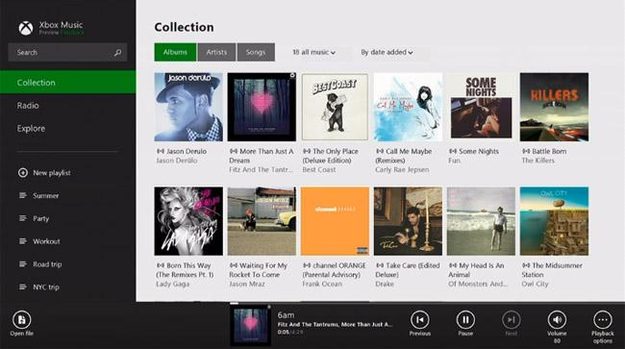
Microsoft dropped another, more significant hint about Xbox One development on the second day. During a presentation focused on real-time debugging, Steve Guggenheimer, Microsoft’s chief Evangelist, appeared to show a Web app running on the Xbox One. The app was then modified in real time with Visual Studio running while Guggenhemier explained that there is “nothing to announce today, but when I talk about the common (Windows) core, you’re seeing that common core in action, being able to target other devices.”
This heavily implies that the development tools already used for Windows 8 can also develop Xbox One apps. If this is the case, the One may turn out to be a far more open platform that the 360, which has no app store and can’t be developed with traditional Windows tools.
Score: B (shows promise)
Verdict
Build 2013 was neither a disaster nor a victory. While many important issues were addressed, hints at future progress were more common than immediate solutions, so we can’t give the conference better than a C+. Sorry, Microsoft – no scratch-and-sniff stickers for you.