1. Home
  2. Computing
  3. News

InFocus offers up a sub-$200 PC that fits in your pocket

Add as a preferred source on Google

One of the biggest current trends in computing is portable devices that can play the role of a desktop when they’re given access to a mouse, a keyboard, and a compatible display. Microsoft is leading the charge with its Continuum functionality, but there are other compelling options — like the newly announced Kangaroo Mobile Desktop Pro.

Building on the success of previous releases from manufacturer InFocus, such as the Kangaroo Plus, the Kangaroo Mobile Desktop Pro adds new features and extra connectivity options. Using the new Dock Pro, the device can easily make a connection to your desired display via its VGA and HDMI ports. Micro USB and MicroSD ports are also present on the dock, while the system itself can accept an Ethernet cable.

Recommended Videos

Alternatively, there’s one USB 3.0 port and two USB 2.0 ports on the main body of the device to cater to other display options. For instance, by utilizing the tailored OSLinx app and a Lightning-to-USB cable, your iPhone or iPad can quickly become your PC monitor, retaining its touch input capabilities.

Of course, all these ways of connecting to the Kangaroo Mobile Desktop Pro would be rather useless if the device wasn’t capable of delivering the desktop experience that users expect. To that end, the system is outfitted with a 1.44GHz Intel Atom processor, and runs the 64-bit version of Windows 10 Home Edition.

It’s also been given 2GB of LPDDR3 RAM, Intel HD graphics and a battery capable of lasting four hours of casual usage. All in all, it’s comparable to a basic laptop — but it weighs just 688 grams even with its adapter and power cord included, and it’s small enough to fit in your pocket.

Despite the fact that its specs aren’t the most impressive, the sheer convenience of the Kangaroo Mobile Desktop Pro will make it a compelling prospect for some, especially at the attractive price point of $199.99. The device launches today, and can be purchased directly from InFocus here.

Brad Jones
Brad is an English-born writer currently splitting his time between Edinburgh and Pennsylvania. You can find him on Twitter…
Apple made Liquid Glass adjustable, which says plenty about Liquid Glass
The new slider is useful, welcome, and mildly hilarious after a year of Apple acting like transparent everything was the obvious future.
Text, Document, Business Card

Apple’s big glassy software future now comes with a way to make it less glassy. In iOS 27, users can adjust the translucency of the Liquid Glass effect, while macOS Golden Gate adds its own Liquid Glass controls under System Settings.

Liquid Glass is still alive across Apple’s platforms, still shimmering through menus and panels, still doing the elegant UI trick Apple clearly likes. The big visual bet has already earned a dimmer switch. After a year of treating translucency like the obvious next step, WWDC’s most revealing design update may be the one that lets people dial it back.

Read more
Windows 11 just fixed one of Search’s dumbest limitations, and you’ll wonder how you lived without it
One less character, one less annoyance every time you search your PC.
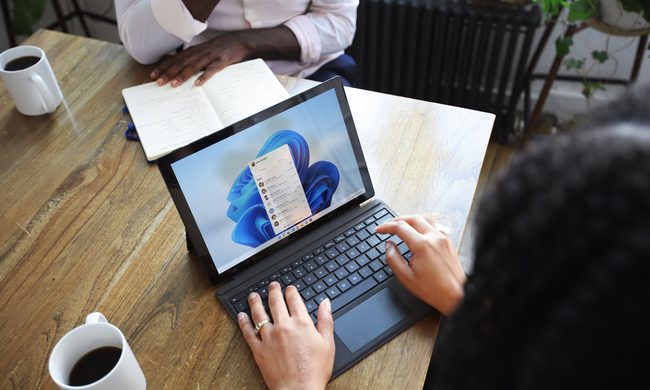
Person sitting and using a Windows Surface computer with Windows 11.

If you have ever typed two letters into the Windows 11 search box, paused, and watched nothing useful happen until you added more characters, you already know exactly why this Windows 11 update matters. 

Microsoft's June 2026 Patch Tuesday update, part of a release Windows Latest calls the biggest of the year (via Windows Latest), quietly fixes that. Windows Search can now find and prioritize files with as few as two characters, down from the old three-character minimum.

Read more
Brazil’s secret World Cup weapon taught the team when to ignore it
The data said he wasn't running enough. The footage said he was always in the “perfect tactical position.”
Soccer ball in net

Brazil has more World Cup titles than anyone, five of them to be precise, but after going through five straight tournaments without adding to that count, the team is leaning hard on data this time. 

Every player wears a sensor-packed "smart vest" tracking field position (via GPS), heart rate, and a stat called "player load," the same kind of numbers that your Whoop band or Apple Watch brags about, but tuned specifically for the sport.

Read more