  1. Home
  2. Computing
  3. News

Instacart is testing camera-ready AI shopping carts that sound convenient, but equally scary

Caper Carts promise faster checkout and personalized savings, but the cameras, location tracking, and on-cart ads make grocery shopping feel a lot less private.

Add as a preferred source on Google
Basket, Shopping Cart, Machine
Instacart

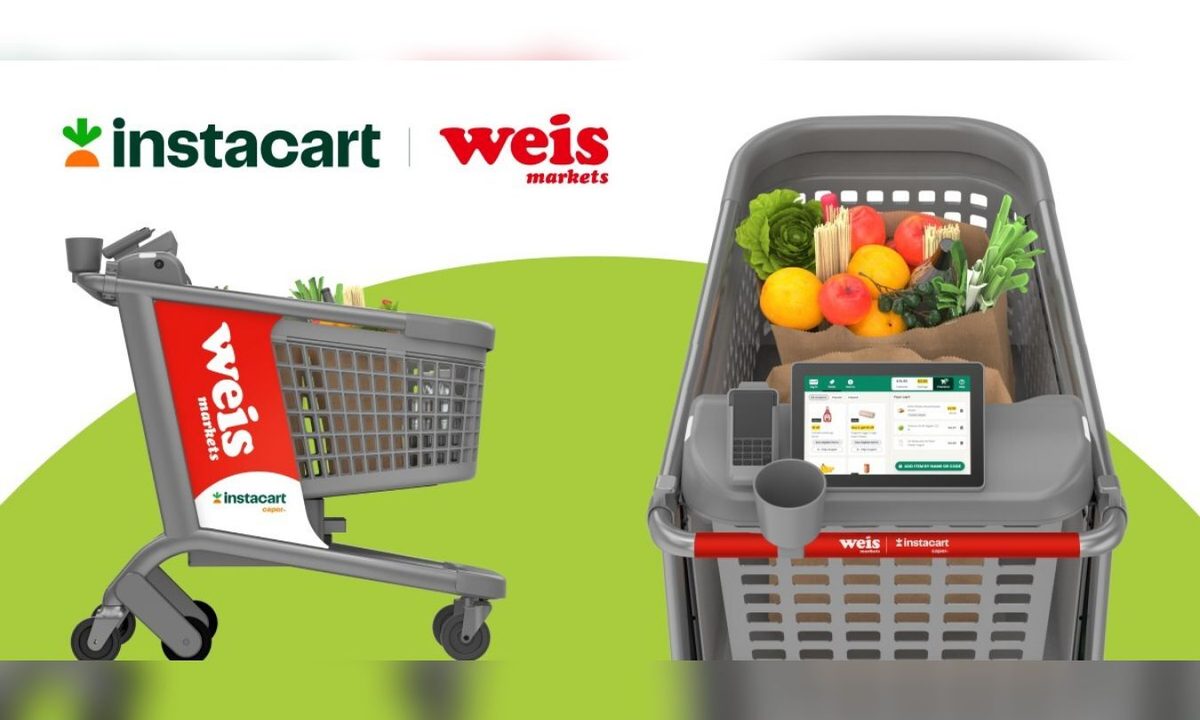
Instacart’s AI shopping carts are moving into select Weis Markets stores in Pennsylvania, with more locations planned this year. On the surface, the Caper Cart upgrade sounds useful, since shoppers can see a running total, clip digital coupons, use loyalty rewards, weigh items, and pay from the cart.

The privacy tension comes from the hardware needed to make that work. The carts include basket-facing cameras, outward-facing cameras, location-tracking systems, scales, touchscreens, and payment terminals, turning an ordinary grocery basket into a rolling sensor platform.

Recommended Videos

Instacart frames Caper as a way to personalize the store, reduce out-of-stocks, lift sales, and add retail media revenue. Shoppers get convenience, but they’ll also leave behind a richer trail of products, movement, loyalty activity, and responses to in-aisle prompts.

How the cart follows shoppers
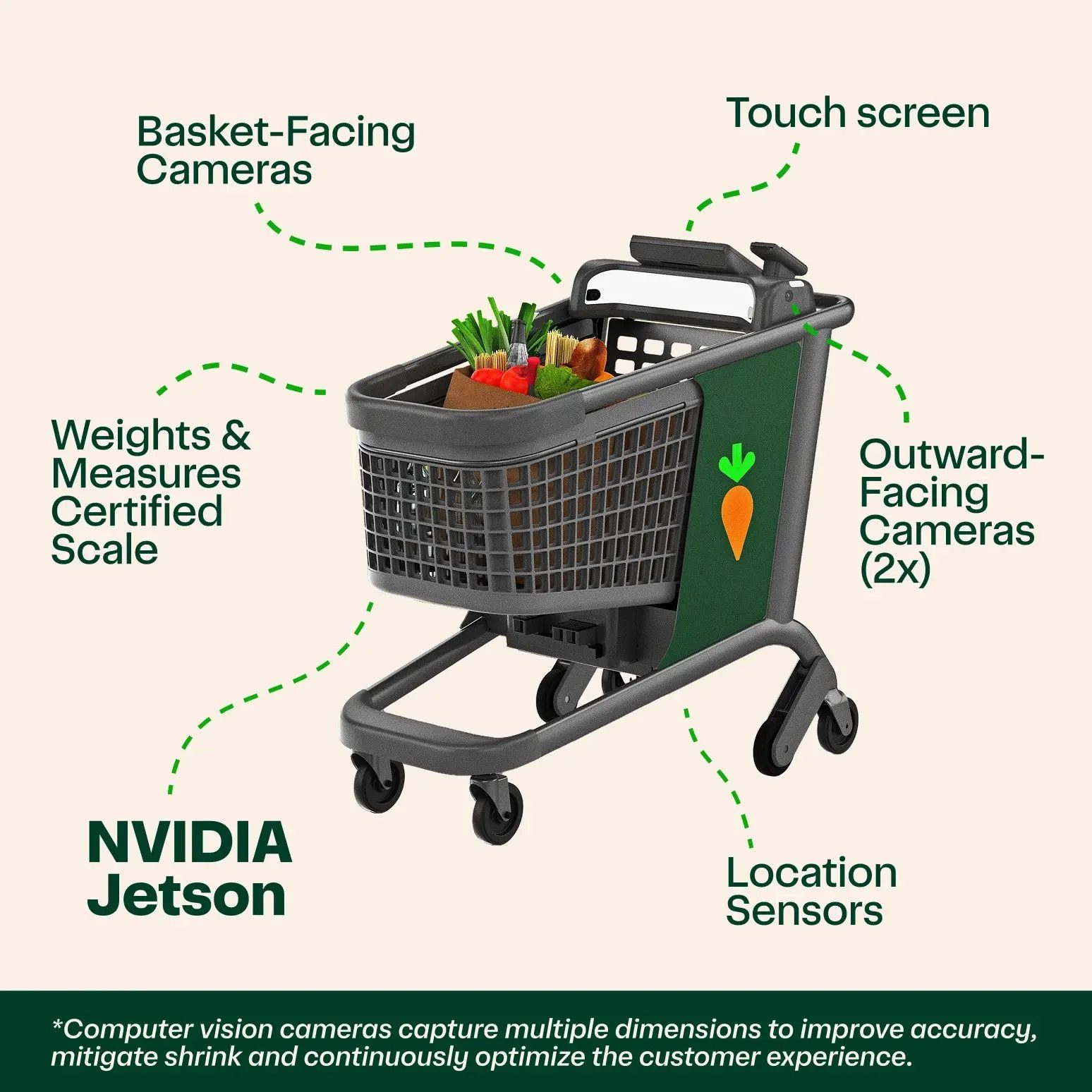
Caper Carts use computer vision, hardware sensors, certified scales, payment tools, and location systems to recognize items as shoppers place them inside. The built-in scale also lets the cart handle produce and other goods sold by weight, which makes checkout feel less dependent on a cashier.

That same setup gives retailers a clearer view of what happens before checkout. The system can register what enters the basket, follow where the cart moves, connect the session to a loyalty account, and surface offers on the display while the trip is still unfolding.

Where the ad pressure begins

Weis plans to use on-cart advertising, and Instacart’s Caper materials describe aisle-aware promotions, real-time coupons, and retail media placements tied to store location. The screen arrives at the moment shoppers are deciding between brands, sizes, and impulse buys.

Instacart says location-aware prompts have produced nearly a one percentage point average lift in basket size. That detail explains the business model without dressing it up, since the cart can become both a checkout tool and an ad panel pointed at customers in motion.
What shoppers should check next

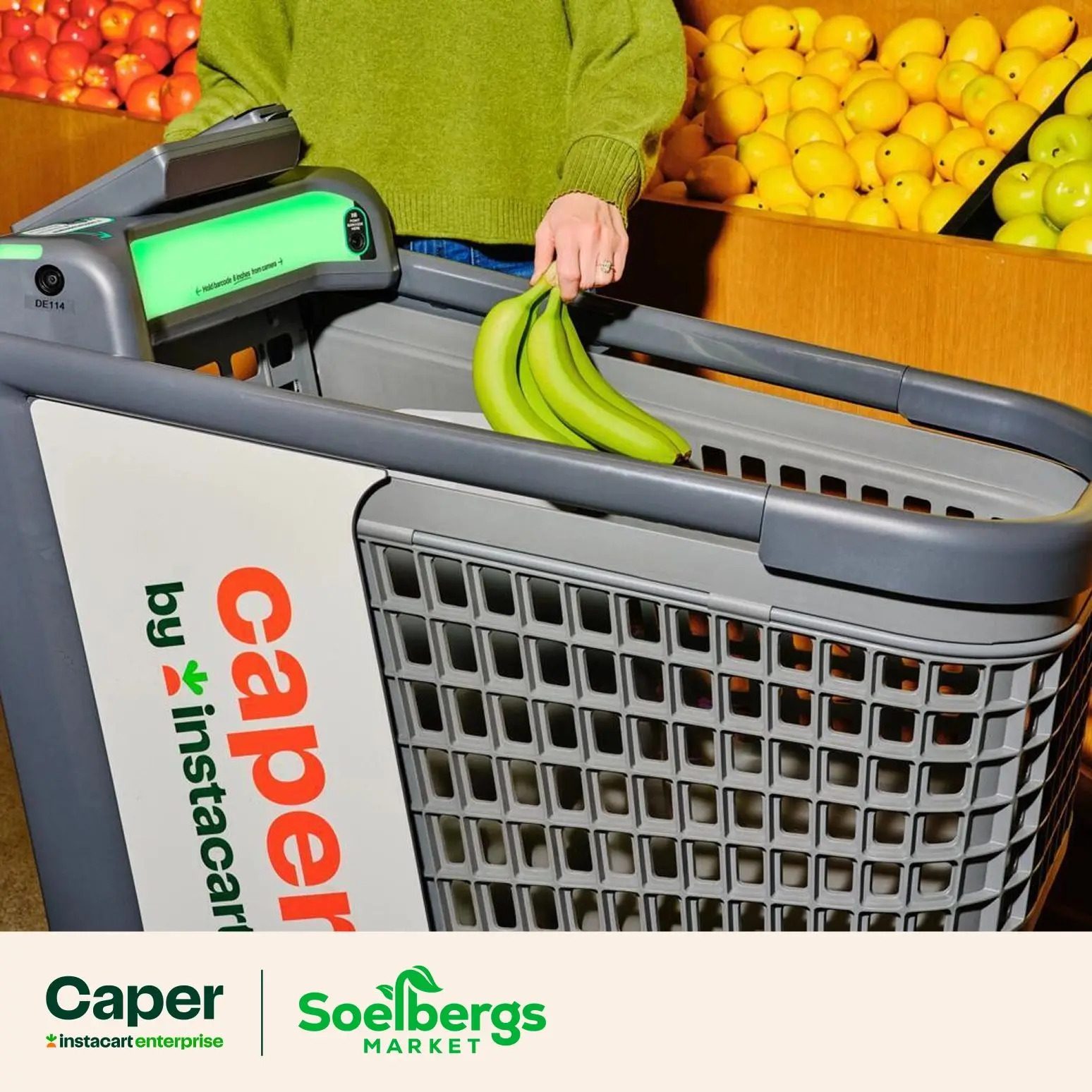
Caper Carts are already in more than 100 cities across 15 states and more than a dozen retail banners, and Instacart says deployments have tripled year over year. Weis is only the latest rollout, not an isolated lab test.

The carts can still be genuinely helpful, especially for shoppers who want price visibility and fewer checkout delays. But cameras, location systems, ad targeting, and loyalty linking deserve the same skepticism people bring to connected TVs, apps, and smart speakers.

Before logging in, shoppers should look for the store’s terms on cart data, loyalty connections, ad personalization, and location-based offers. The cart may be optional, but the trade is worth reading before pushing it down the aisle.

Paulo Vargas
Paulo Vargas is an English major turned reporter turned technical writer, with a career that has always circled back to…
OpenAI wants an all-knowing personal AI agent for everyone on Earth
The company is framing personal AGI as the mass-market endpoint of its AI race.
openai-chatgpt

OpenAI is laying out a future where advanced AI reaches billions of people, not only the companies and governments racing to control it. Its latest plan centers on an AI for everyone, a personal AGI that would work as a deeply capable assistant for daily life, work, and discovery.

The company calls this its third phase. After proving the technology could work and turning it into products used at scale, OpenAI now wants to make powerful AI broadly available while pushing systems that can accelerate science and economic growth.

Read more
VocabOwl is the viral vocabulary test making word nerds question everything
A podcast-boosted web quiz estimates English word knowledge, but its science still needs context.
Reading on TCL NXTPAPER 60 Ultra.

VocabOwl has turned vocabulary size into the kind of number people want to post, argue over, and quietly retake when the result feels too cruel.

The viral vocabulary test asks 100 multiple-choice questions, then converts those answers into an estimate of how many English words you know. Its current burst of attention is tied to The Rest Is Science, where Hannah Fry and Michael Stevens tried a listener-built tool built around the same uncomfortable question.

Read more
These new Alogic displays are basically a touchscreen Mac workaround
Alogic’s Studio Display alternative gives Mac users touch and stylus support
Computer, Electronics, Tablet Computer

Apple still has not released a touchscreen Mac, though macOS 27 Golden Gate suggests the company is at least preparing its desktop software for more touch-friendly interactions. Until that turns into actual Mac hardware, Alogic is trying to fill the gap with a new lineup of external displays that bring touch and stylus controls to macOS and Windows setups.

The company unveiled the products at InfoComm 2026 in Las Vegas, including the Fokus wall-mounted touchscreens, Aspekt Touch 27-inch monitor, Folio portable displays, and Active Stylus. Windows users have had plenty of touchscreen monitor options for years, but Mac users usually need extra software to get similar behavior from an external display. Alogic says its software allows users to tap through the interface, mark up content, draw, and use a stylus on supported screens.

Read more