
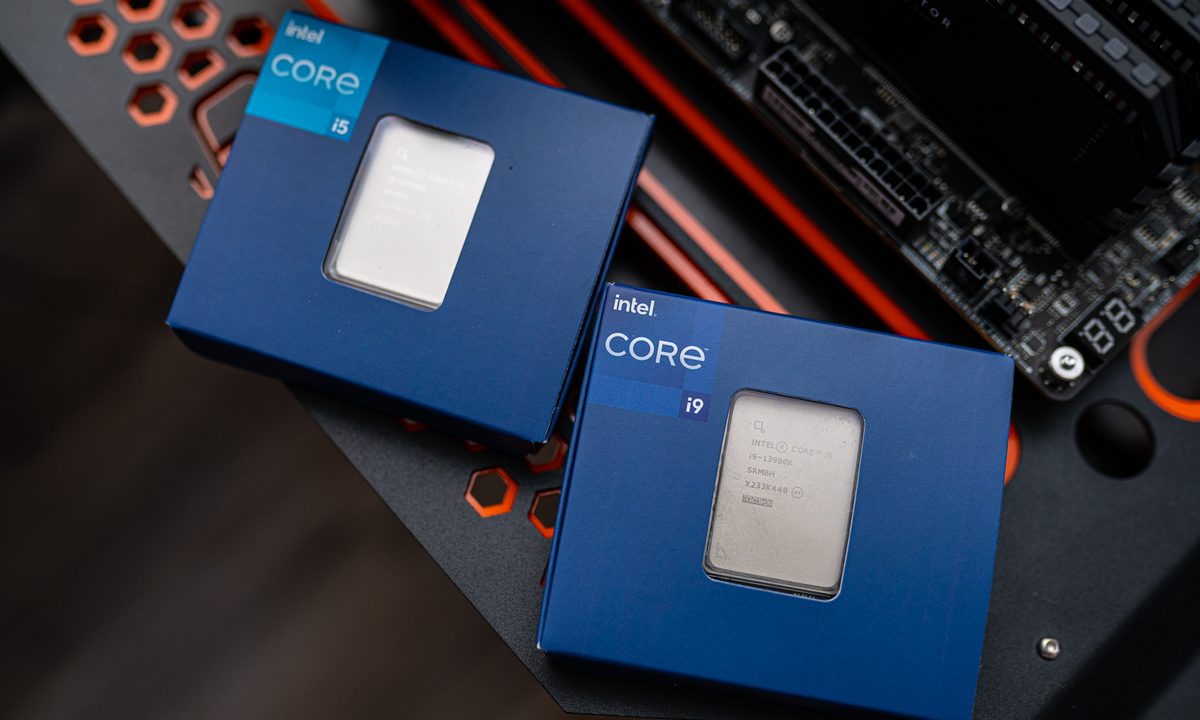
Intel has finally broken its silence on the instability issues plaguing 13th-gen and 14th-gen CPUs over the last few months, but it seems we’ve only gotten a half answer to the problem. Gamer’s Nexus posted a video breaking down what the YouTube channel called “Intel’s biggest fuckup” to date and showcasing how the problem goes beyond the reasoning Intel shared this week.
If you’re not up to speed, Intel posted a message on its forums pinning blame for instability on improper voltage requests within the CPU microcode. Basically, the processor was getting improper power, leading to instability and degradation within the CPU. That’s not the only problem with 13th-gen and 14th-gen CPUs, however. Some CPUs are impacted by a manufacturing defect that isn’t fixable with a microcode update, and Intel didn’t address that in its public statement.
Instead, it only addressed the manufacturing error in a Reddit thread after the forum post. It’s a strange split considering how much more severe a hardware-level defect is compared to something that can be fixed with a microcode update.
Gamer’s Nexus originally broke the story on the manufacturing defect. Oxidation occurred within some early Intel 13th-gen and 14th-gen CPUs in the VIAs, which are interconnects between various layers of a silicon wafer. Intel says it addressed this issue in 2023 with manufacturing improvements and claims “only a small number of instability reports” point back to the manufacturing error.
The problem is that at least some CPU return requests were rejected when Intel knew about this manufacturing issue, but didn’t make that information public. Alderon Games claims its server providers had returns rejected by Intel even after the manufacturing defect was known. Gamer’s Nexus claims at least some business-to-business and business-to-consumer returns were also “somewhat disgustingly, from my view point” rejected.
You may recall that Alderon Games said it could lose upwards of $100K in lost players due to Intel’s instability issue, and it isn’t the only game publisher claiming massive problems with Intel’s chips.
Although improper voltages seems to be the main driving force behind instability issues on Intel’s 13th-gen and 14th-gen CPUs, there are other factors at play. One issue is oxidation, but Gamer’s Nexus says there could be other contributing factors as well. Intel says it has addressed the oxidation issue, but it has yet to clarify the date range of affected processors. It also hasn’t publicly said it will honor all return requests for processors impacted by the oxidation issue.
Intel’s microcode update is expected in mid-August, which the company says will solve the instability problems across its 13th-gen and 14th-gen CPUs. There are still a lot of lingering questions about what this microcode update will do. It could impact performance, for example, or it could expose a larger instability problem that goes beyond voltages. For now, all we can do is wait.


