
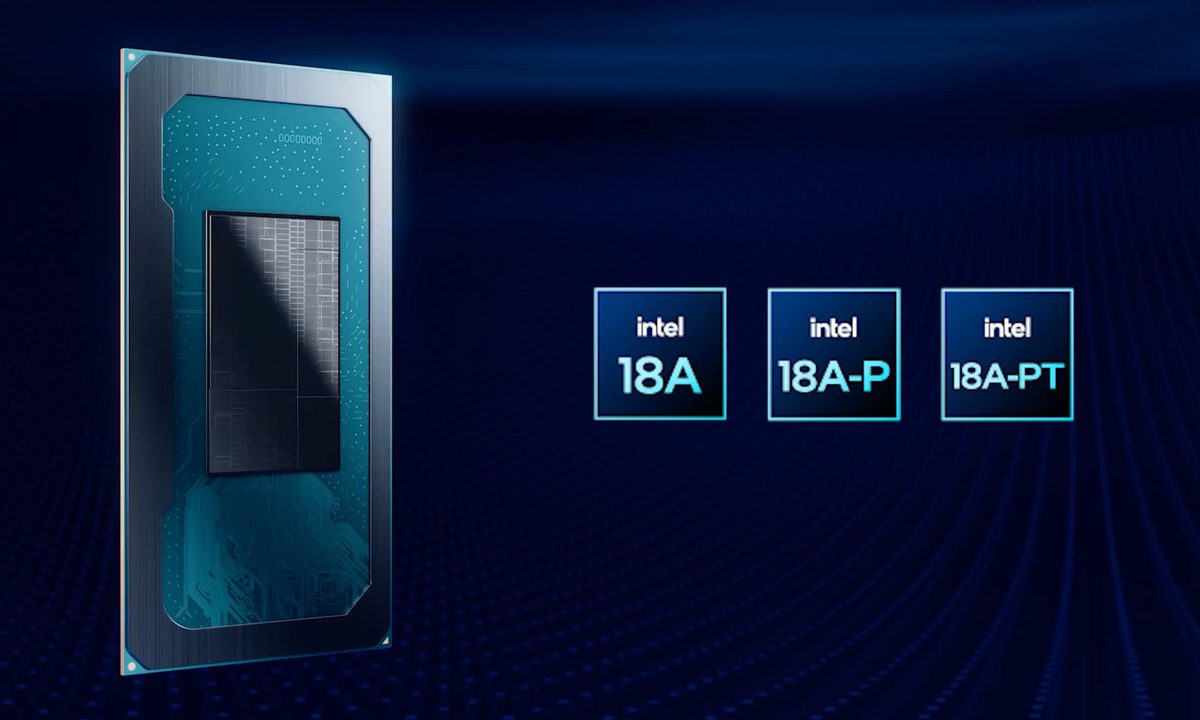
What’s happened? Intel is preparing to lift the lid on its Panther Lake laptop processor, a chip that could mark a major turning point for the company. Slated for a technical reveal soon, the new CPU is built on Intel’s long-awaited 18A process and is expected to headline the next generation of AI-powered laptops.
- Panther Lake will be the first Intel chip built entirely on the 18A node, part of its “five nodes in four years” strategy, as per Reuters.
- Internal tests point to up to 30% energy efficiency gains and up to 50% better performance in select workloads.
- The chip integrates improved AI cores and upgraded graphics for smoother on-device AI experiences.
- Yield rates are around 10% (up from 5%) based on reports, suggesting steady progress in 18A manufacturing.
Why this is important: This isn’t just another processor launch, but it’s Intel’s latest move to reclaim leadership from AMD and TSMC in the laptop performance race. While AMD and Qualcomm have sprinted ahead with purpose-built AI silicon for consumer PCs, Intel’s betting that Panther Lake’s new 18A process will finally help it close the gap. Panther Lake also serves as a proof point for Intel’s in-house manufacturing ambitions, after years of delays and missed milestones.
- Reinforces Intel’s commitment to compete head-on with advanced foundries like TSMC.
- Positions the company to power a new generation of AI PCs focused on smarter, faster workflows.
- Success with 18A could restore investor confidence and set the tone for Intel’s future chip designs.
Why should I care? For laptop buyers, this could mean a tangible jump in both speed and efficiency. Not to forget, it also hints at better AI integration for creative and productivity workflows. Additionally, Panther Lake might finally bring longer battery life and cooler operation. And if early leaks are to be believed, the lineup could also feature improved integrated GPUs under the new Core Ultra X series, promising more balanced all-around performance even without a discrete GPU.
- Expect laptops that handle complex AI-driven tasks, from editing to automation, with less reliance on cloud computing.
- Improved thermal design and efficiency could make thin-and-light notebooks more capable for everyday multitasking.
- Upgraded iGPUs may offer a meaningful boost for casual gaming and GPU-accelerated workloads, reducing the need for dedicated graphics on mid-tier systems.
Okay, so what’s next? Intel is expected to share more about Panther Lake’s architecture, benchmarks, and rollout timeline during its Thursday event. The first wave of laptops featuring the new chip is rumored to arrive in early 2026, from brands like ASUS, HP, and Dell.


