
Even though internet and cyber cafes may have bene shuttered during pandemic-imposed lockdowns, it doesn’t mean these small businesses aren’t making money. In fact, even with the lack of the familiar faces of gaming customers during the shutdown, some of these cyber cafes are making more money now than ever before.
Owners of cyber cafes in Asia, once a destination for gamers and travelers paying for access to a computer, have used their entrepreneurial skills to pivot to a new business model amid the shutdown.
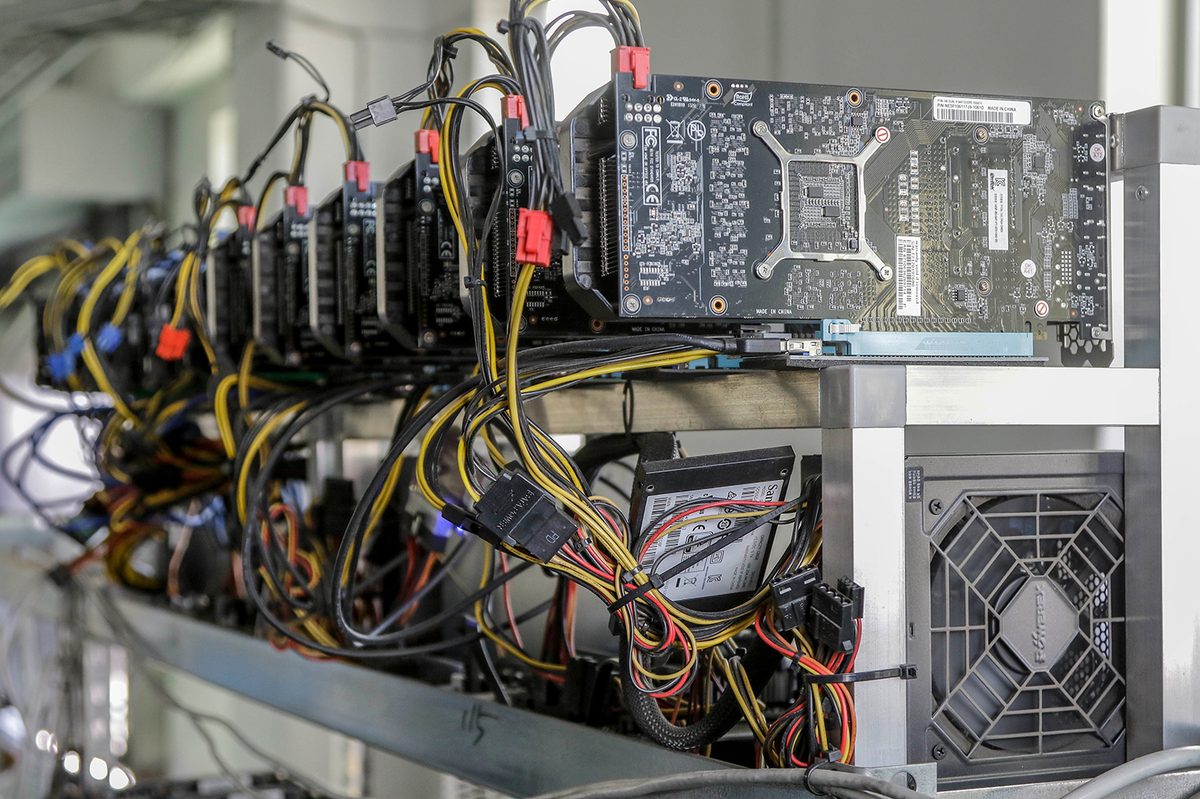
For example, the owner of the Computer Star cyber cafe in Vietnam converted the gaming destination into a cryptocurrency mining farm, according to a report on Wccftech. For the mining operation, the owner of Computer Star utilized a few of Nvidia’s hard-to-get GeForce RTX 3080 flagship graphics cards. In fact, pent-up demand for Nvidia’s latest RTX 3000 series family of cards from gamers and cryptocurrency miners — in addition to component shortages throughout the supply chain — created a massive GPU shortage in late 2020 that has extended into this year.
The key to success here is changing from a business that serves gamers by the hour to converting existing PC hardware into an operation that can mine for cyptocurrency. Given that many of these locations already have capable graphics cards since they had previously catered to a gaming audience, the conversion to a new model for operating was relatively easy.
Both Nvidia and rival AMD do not expect the shortage issues to ease up until the middle of this year at the earliest, and many gamers have so far been unable to get their hands on the former’s GeForce RTX 3000 line and the latter’s Radeon RX 6000 series graphics cards.
Unfortunately, by pivoting to running a crypto mining farm, many cyber cafes that once served gamers are finding themselves competing against those customers at a time when graphics cards are already hard to come by. Gamers frustrated by the great GPU shortage have been blaming cryptocurrency miners for hoarding what little inventory there is to begin with.
In one instance, a cryptocurrency miner used a rig of 78 RTX 3080 graphics cards to generate an estimated monthly revenue of $20,000 in Ethereum earnings. Scalpers are also to blame for the shortages, as they make lucrative profits off reselling the in-demand GPUs on secondary markets, like eBay.


