Despite its great new keyboard, the new, revamped MacBook Pro 13 has one big issue. Once again, Apple is stuck selling older Intel processors. It’s a problem that shows why Apple’s upcoming switch to ARM processors — long rumored and now near certain — is absolutely the right decision.
When the 2020 MacBook Pro 13 came out, Apple CEO Tim Cook and company made a big fuss over how it now comes with 10th-generation Intel processors. Yes, this is many months later than Apple’s PC rivals, but Apple likes to order custom chips from Intel that meet its stringent requirements, and these often take time. Better late than never, right?
Well, therein lies the problem — the processors are not only late, but the lineup is incomplete. Only the two most expensive MacBook Pro 13 models come with 10th-generation processors. The others are stuck on old 8th-generation chips, yet Apple is still insisting on selling them for a minimum of $1,299. I know I’m not the only one who gets rubbed the wrong way by that.
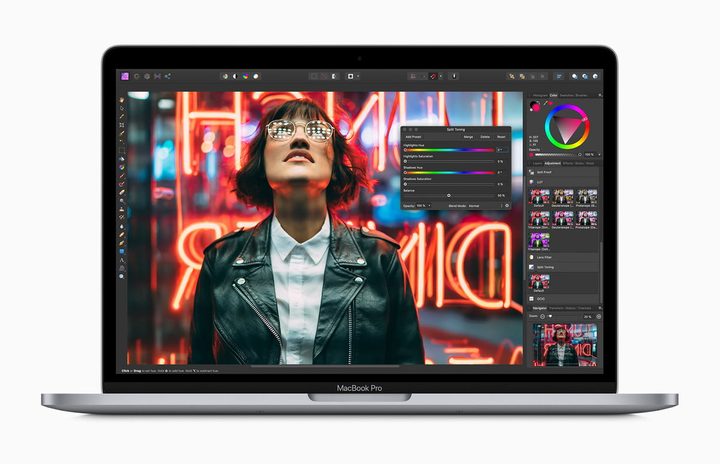
It’s no secret that Intel has been struggling to meet Apple’s deadlines in recent years, often resulting in Apple products shipping with outdated components. It looks bad for both Apple and Intel, and it leaves customers paying full price for outdated parts. Simply put, it is unsustainable for everyone involved.
The whole debacle surrounding the MacBook Pro 13 illustrates exactly why Apple is right to switch its future Macs to ARM processors, and all for a simple reason: The transition is likely not only motivated by performance increases or revenue gains. First and foremost, it’s about control.
ARM is a company that designs processors present in a huge number of devices worldwide, including every iPhone and iPad. Apple’s A-series chips (used in iPhones and iPads) are specified by Apple but based on ARM designs, granting Apple a great deal of control.
By taking direct control of one of the most important components in its devices, Apple can ensure its product road map is not held up or disrupted by one of its partners failing to meet its obligations. Apple loves control, and for good reason — when you dictate as much of your products’ construction as possible, it is much easier to plan for the future. There is less uncertainty, fewer setbacks, and more time spent making things instead of scrambling to fix problems.
By kitting out future Macs with Apple-made ARM processors, the tech giant can tighten its hardware and software ecosystem in a way it has already perfected on the iPhone and iPad. That close integration is one of the key strengths of Apple’s other devices, leading to all kinds of innovations, from Face ID to the Secure Enclave. Replicating that approach on the Mac could be the shot in the arm Apple’s computers so desperately need.
We cannot know for sure, but I’d bet there are a good number of senior Apple executives looking at the new MacBook Pro 13 and feeling very confident they have made the right call in moving to ARM processors in future Macs. And with the Worldwide Developers Conference (WWDC) just around the corner, we could get some ARM-related news as soon as next month.