
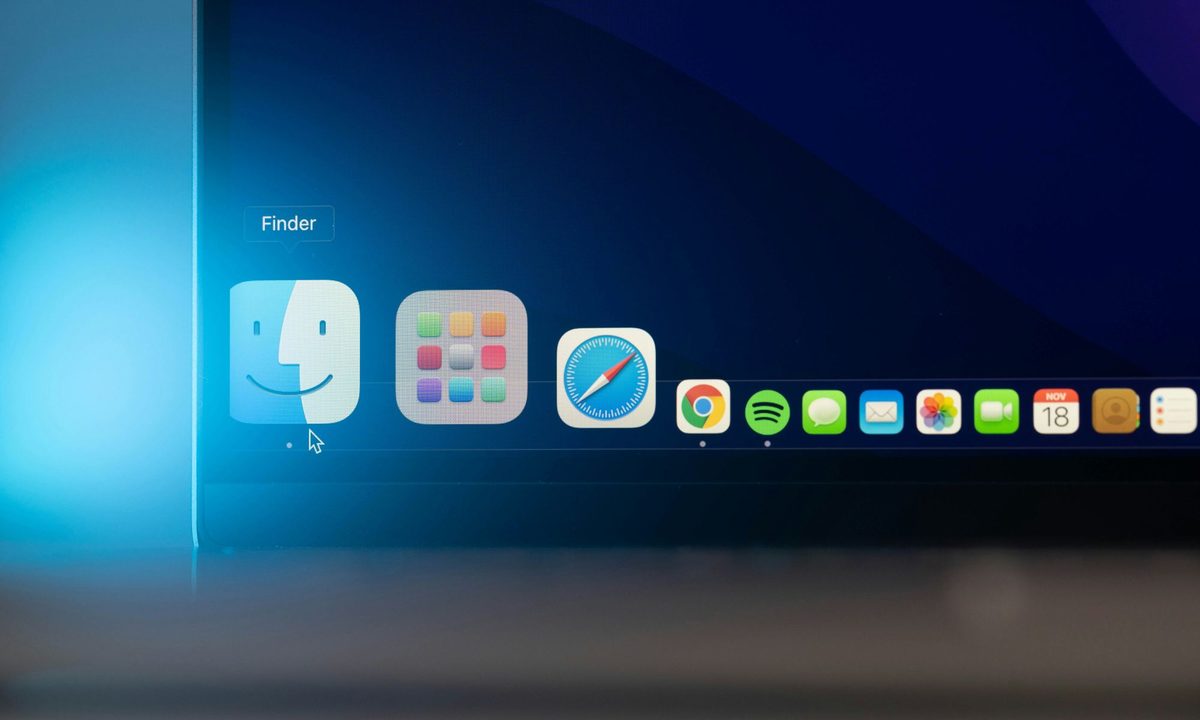

Apple’s next major Mac software update may mark the beginning of the end for Intel-powered Macs while also pushing deeper into AI-powered experiences. New rumors surrounding macOS 27 suggest Apple is preparing significant changes ranging from smarter Siri capabilities to refinements for its controversial “Liquid Glass” design language.
According to reports, macOS 27 could become the first version of macOS to substantially reduce or fully end support for Intel-based Macs, completing a transition Apple began in 2020 with the launch of its first Apple Silicon chips. While Apple has steadily shifted focus toward M-series processors over the past several years, macOS 27 may represent the clearest sign yet that the company is ready to leave Intel hardware behind. Although this is not new news – Apple was already looking to phase out Intel-powered Macs when it rolled out macOS Tahoe last year.
The timing would align with Apple’s typical software support cycle. Intel Macs have already started missing out on some Apple Intelligence features introduced during the AI push across iPhones, iPads, and Macs. Ending support entirely would allow Apple to focus more aggressively on AI, machine learning, and hardware-specific optimizations designed around Apple Silicon.
Apple appears ready to fully embrace its AI-first Mac future
One of the biggest rumored changes involves Siri. Reports suggest Apple is continuing work on a significantly smarter version of the assistant capable of handling more natural conversations, contextual awareness, and deeper app integration. While Apple’s AI rollout has faced criticism for moving more slowly than rivals like Google and OpenAI, macOS 27 could become an important part of the company’s broader Apple Intelligence strategy.
The update may also refine Apple’s newer “Liquid Glass” visual style, which reportedly focuses on translucent layers, reflective interface elements, and smoother animations across macOS. Early reactions to the design direction have been mixed, with some users praising the futuristic appearance while others argue it prioritizes aesthetics over clarity and usability.

Apple is also expected to continue integrating AI-powered productivity tools throughout macOS. Features involving summarization, writing assistance, smarter search, and proactive recommendations could become more deeply embedded into the operating system as Apple tries to make AI feel native to the Mac experience instead of functioning as a separate tool.
For users still relying on Intel Macs, however, the rumored support changes may become the biggest story. Millions of Intel-based MacBooks and desktops remain in active use, especially in businesses, schools, and creative industries. If Apple significantly cuts compatibility, many users could face difficult upgrade decisions sooner than expected.
macOS 27 may reveal Apple’s long-term strategy for the Mac
The rumored update reflects a broader shift happening across Apple’s ecosystem. The company increasingly designs software around its own custom chips, allowing tighter integration between hardware and software features. Apple Silicon Macs already deliver major advantages in battery life, performance efficiency, and AI processing compared to older Intel systems.

Ending Intel support would also simplify development for Apple and third-party app makers by reducing the number of architectures they need to support. However, it risks frustrating long-time Mac users whose devices may still feel perfectly functional despite losing future software support.
Apple is expected to officially unveil macOS 27 during WWDC 2026, where the company will likely detail its next-generation AI strategy across Macs, iPhones, and iPads. Until then, many of the reported features remain speculative, but the rumors strongly suggest Apple is preparing one of the most significant transitions in Mac history since the move away from Intel first began.


