  1. Home
  2. Computing
  3. News

Digital Trends may earn a commission when you buy through links on our site. Why trust us?

macOS 27 to refine the Liquid Glass design approach, but nothing too dramatic

The futuristic UI is staying, just with fewer quirks.

Add as a preferred source on Google
Liquid Glass on macOS Tahoe 26 Dark Mode
Apple

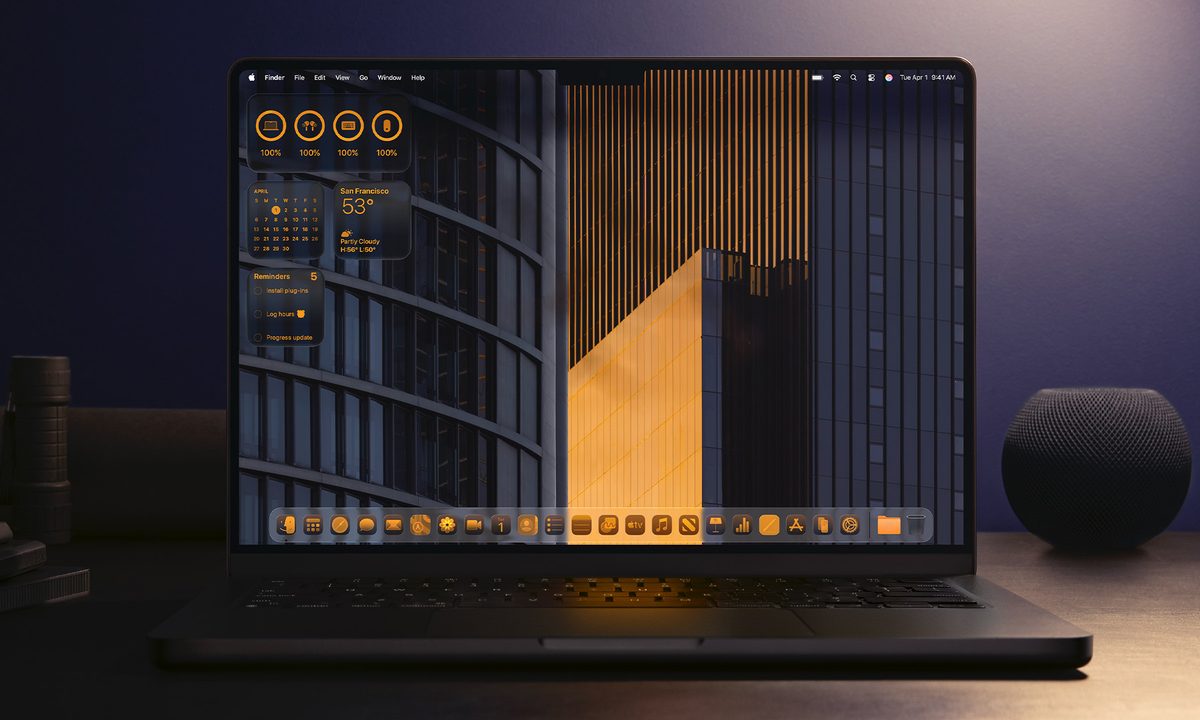
Whether you like it or not, it’s “clear” that Apple is not giving up on Liquid Glass. It is just trying to make it a little less… blindingly futuristic on Macs.

After the mixed reception to macOS Tahoe’s translucent interface, Apple is reportedly preparing a softer, cleaner version of the design language for macOS 27. But if anyone was expecting a dramatic rollback, that is apparently not happening.

What’s new with Liquid Glass in macOS 27?

According to Mark Gurman’s latest Power On newsletter, Apple is preparing what insiders reportedly describe as a “slight redesign” for macOS 27 to address complaints surrounding the Liquid Glass interface introduced in macOS Tahoe.
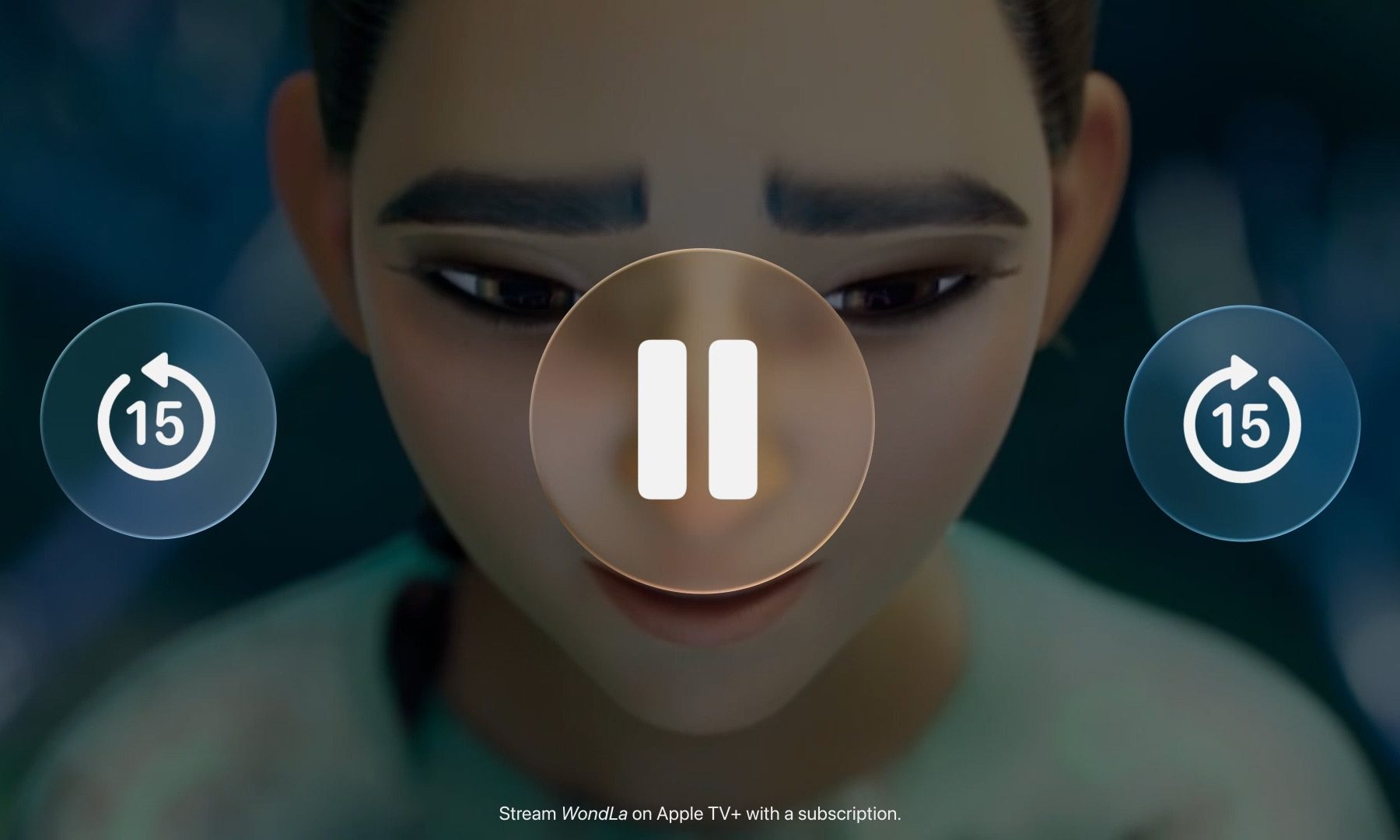
The biggest issues reportedly involve transparency effects, shadows, and readability problems in areas like Finder, Control Center, and apps with dense sidebars or text-heavy layouts. On larger Mac displays, some of these glass-like effects can make interface elements harder to read or visually confusing.
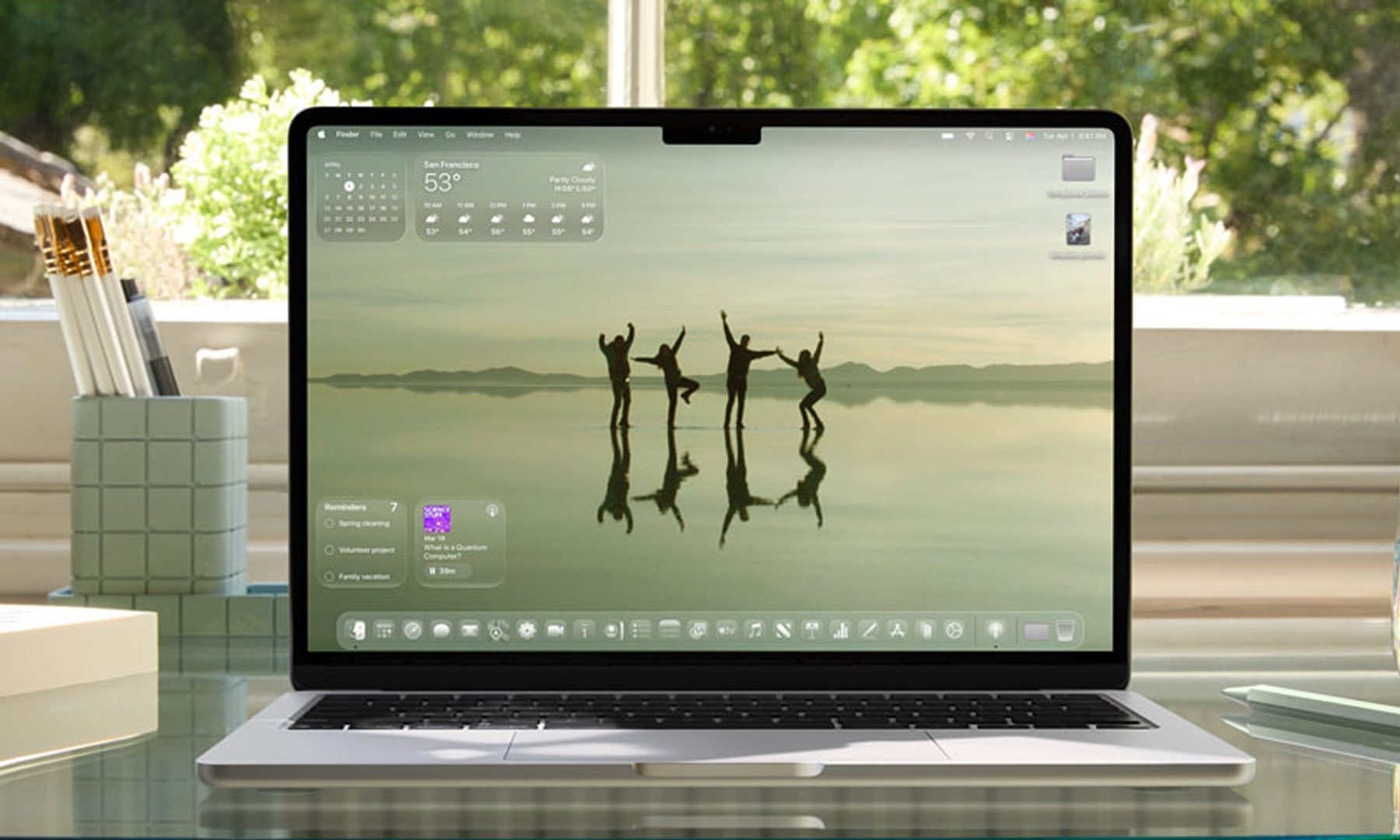
Part of the problem seems to be the hardware itself. Gurman notes that Liquid Glass was originally designed with modern OLED screens in mind, like the ones found on newer iPhones and Apple Watches. Macs, meanwhile, still largely rely on LCD panels that do not render translucency and layered effects as cleanly. That mismatch is reportedly what Apple now wants to refine in macOS 27.

Apple isn’t backing away from Liquid Glass

Despite the criticism, Apple reportedly still sees Liquid Glass as a net positive and a major part of its future design language. So instead of removing it, macOS 27 is expected to focus on refining the experience. Reports suggest Apple is adjusting shadows, transparency behavior, contrast, and readability to make the interface feel more polished without dramatically changing how it looks.
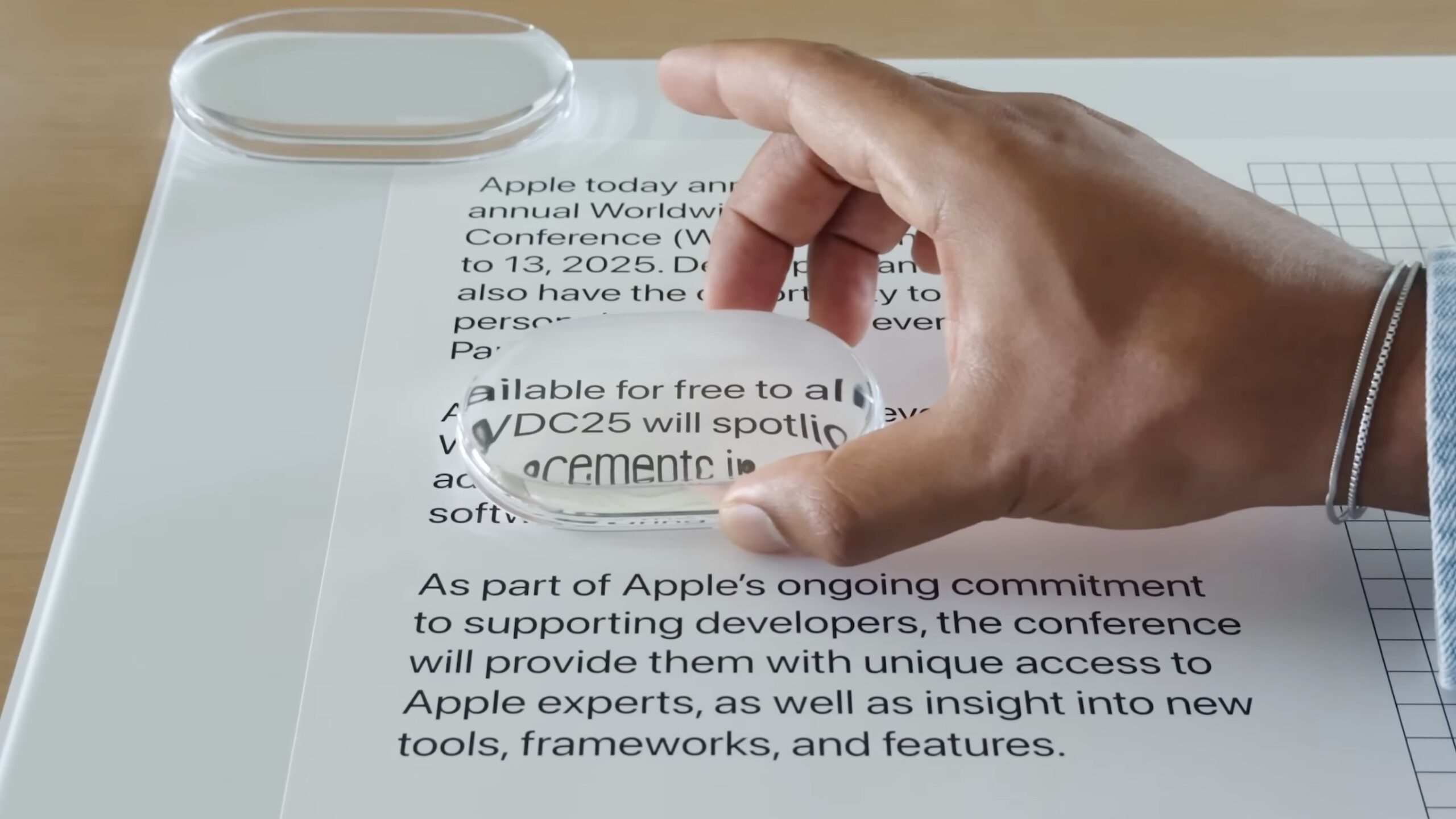
And honestly, this sounds very similar to what happened after iOS 7. Apple introduced a bold visual redesign, got hit with complaints, then spent the following release quietly sanding down the rough edges instead of starting over. Gurman even directly compares the situation to the iOS 7-to-iOS 8 transition. That also lines up with broader rumors around iOS 27 and macOS 27, which are both expected to focus more on refinement, bug fixes, battery improvements, and usability rather than giant visual overhauls.

Varun Mirchandani
Varun is an experienced technology journalist and editor with over eight years in consumer tech media. His work spans…
Microsoft just killed one of the coolest features of its Edge browser to favor more AI
RIP Collections, you were too practical for the AI era
Edge browser icon

No no no, we are not sad. *slumps in the corner crying*

Microsoft is officially shutting down Collections, one of the more unique productivity features inside the Edge browser, and many users believe the move reflects the company’s growing obsession with AI-first experiences.

Read more
MacOS 27 could finally end Intel Mac support and bring smarter Siri upgrades
MacOS 27 rumors suggest Apple is ready to emotionally damage Intel Mac owners
MacOS

Apple’s next major Mac software update may mark the beginning of the end for Intel-powered Macs while also pushing deeper into AI-powered experiences. New rumors surrounding macOS 27 suggest Apple is preparing significant changes ranging from smarter Siri capabilities to refinements for its controversial “Liquid Glass” design language.

According to reports, macOS 27 could become the first version of macOS to substantially reduce or fully end support for Intel-based Macs, completing a transition Apple began in 2020 with the launch of its first Apple Silicon chips. While Apple has steadily shifted focus toward M-series processors over the past several years, macOS 27 may represent the clearest sign yet that the company is ready to leave Intel hardware behind. Although this is not new news - Apple was already looking to phase out Intel-powered Macs when it rolled out macOS Tahoe last year.

Read more
Meta’s AI feed is starting to sound like a late-night internet rabbit hole
Meta’s AI app is reportedly filling up with bizarre clickbait and fake stories
iPhone showing Meta AI Support Assistant

Meta’s standalone AI app is reportedly being flooded with low-quality clickbait, fake emotional stories, and engagement-bait content, raising fresh questions about how generative AI platforms are being moderated as they become increasingly social and public-facing.

According to a Verge report, users of Meta AI’s social discovery feed have been encountering strange AI-generated posts ranging from fabricated personal confessions to misleading health claims and bizarre fictional scenarios designed to attract reactions and shares. The issue appears tied to Meta’s decision to make AI-generated conversations and prompts publicly discoverable inside the app, effectively turning parts of the platform into a social media-style content feed.

Read more