  1. Home
  2. Phones
  3. Computing
  4. Mobile
  5. News

Meta’s new AI app lets you share your favorite prompts with friends

Add as a preferred source on Google
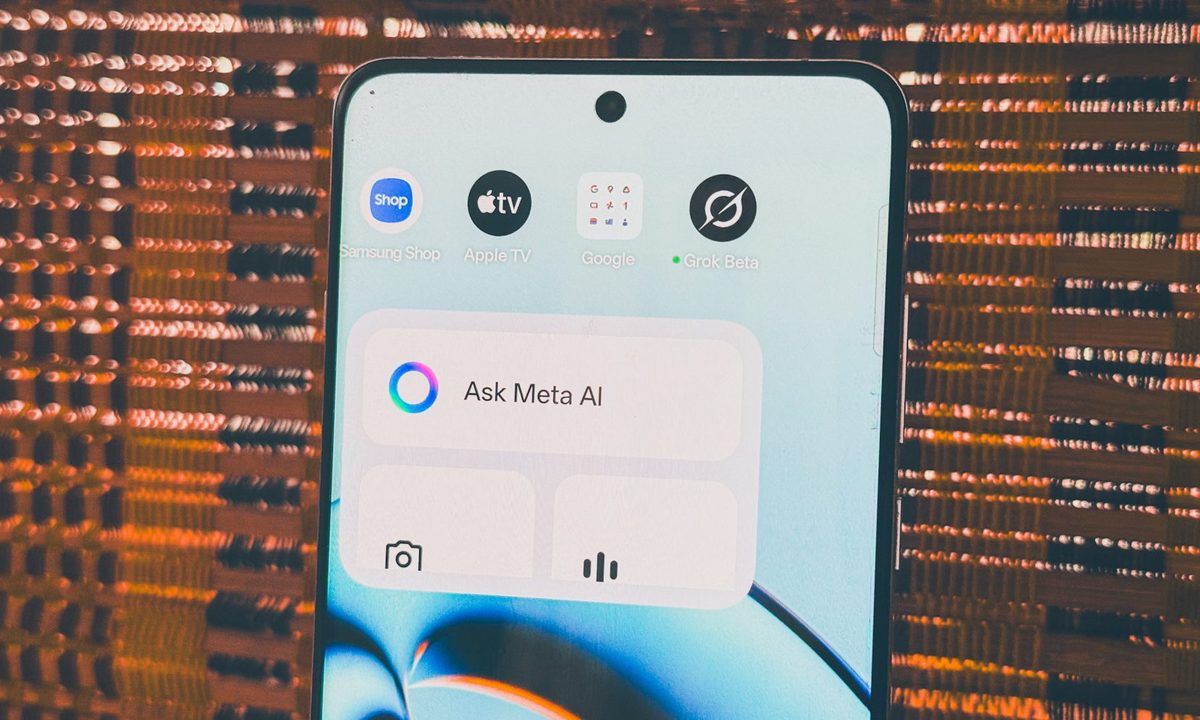
Meta AI WhatsApp widget.
Nadeem Sarwar / Digital Trends

Meta has been playing the AI game for a while now, but unlike ChatGPT, its models are usually integrated into existing platforms rather than standalone apps. That trend ends today — the company has launched the Meta AI app and it appears to do everything ChatGPT does and more.

Powered by the latest Llama 4 model, the app is designed to “get to know you” using the conversations you have and information from your public Meta profiles. It’s designed to work primarily with voice, and Meta says it has improved responses to feel more personal and conversational. There’s experimental voice tech included too, which you can toggle on and off to test — the difference is that apparently, full-duplex speech technology generates audio directly, rather than reading written responses.

Recommended Videos

The biggest difference between this app and other AI chat apps is the social media twist. There are rumors that OpenAI wants to get into social media too, but Meta has majorly beaten them to the punch, here. The Discover feed is just what it sounds like — a place to share your favorite prompts, responses, and interactions with the AI model for your friends and family to see.

It’s meant to be a way to exchange ideas and find new ways to use the LLM. While a lot of our AI usage isn’t all that interesting, everyone has moments when they want to show people what they managed to get the AI to generate — and that would be the kind of thing you choose to post. I suspect feeds will be full of amusing hallucinations and mistakes as well, however.

The app will also be merging with the Meta View companion app for Ray-Ban Meta glasses, so if you own this bit of hardware, you’ll probably use the Meta AI app a lot. If not, you’ll also be able to access the app on desktop, where you can access the Discover feed, generate images, and test out the in-development rich document editor.

If you’re familiar with Meta AI’s long journey into the European market, it’ll be no surprise to hear that a lot of the Meta AI app features are currently limited to the U.S. and Canada. But if you’re in the right place, then you can go ahead and download the app right away to try all of this new stuff out.

Willow Roberts
Willow Roberts has been a Computing Writer at Digital Trends for a year and has been writing for about a decade. She has a…
WWDC 2026: iOS 27, Siri AI, Apple Intelligence upgrades, and everything else
Apple stopped making promises at WWDC 2026 and started delivering: Siri AI, six OS updates, and Cook's farewell.
WWDC 2026 poster

Unlike most years, Apple’s WWDC 2026 carried more weight than usual, not just because it was Tim Cook’s final keynote as CEO, but also because it represented Apple’s chance at redemption after missing deadlines, mounting questions, and criticism about its ability to keep pace in the AI race. 

Fortunately, Apple answered many of those questions on June 8, 2026, unveiling an upgraded AI-powered Siri alongside a range of new Apple Intelligence features, while also raising a few fresh questions. WWDC was packed with announcements across six operating systems that underpin Apple’s ecosystem of devices. 

Read more
iOS 27 offers the clearest sign that a foldable iPhone is right around the corner
Resizable iPhone apps may be Apple’s first step toward a foldable iPhone
iPhone Ultra

Apple’s WWDC 2026 event was packed with major software announcements, including its new Siri AI experience, expanded child safety tools, and the latest operating system updates for its phones, Macs, and iPads. It was only a matter of time before someone dug out something interesting from the new software, and developer Sam Henri Gold might have just found the biggest clue yet that Apple is planning to launch a foldable iPhone soon.

iOS 27 is quietly preparing apps for a foldable future

Read more
Smartphones are to blame for declining birth rates, as studies highlight the iPhone’s role
Two new papers link smartphone adoption to falling birth rates in the US and across 128 countries, though some economists say the case remains unproven.
Electronics, Mobile Phone, Phone

The timing has long raised questions. Birth rates in the US and dozens of other countries began falling in 2007, the same year Apple put the first iPhone on sale. Two new academic papers, highlighted by The New York Times, now argue that the overlap is not a coincidence.

What the research found

Read more