Meta announced its Ray-Ban AI Glasses in October 2023, and while the company hasn’t launched a successor yet, it has steadily expanded the feature set, turning them into my favorite AI gadget. These are all quality-of-life upgrades that would ideally be released with the next-gen product. But Meta has announced the expansion of Ray-Ban Meta Glasses to more regions and new Meta AI features rolling out starting this week.
I bought a pair of Headliner Meta Ray-Bans in January 2024, and they’ve been my travel companion ever since. It’s not because I can record videos while on the go, but because they are the first AI device that doesn’t scream AI. The ambient presence of tech is what makes them special, and they’re only improving, even after 18 months since launch.
Why they’re my favorite AI product

When I first bought the Meta Ray-Bans, they were limited in functionality. And I can only say this in hindsight because of how much better they’ve gotten over time. At the time of purchase, my Ray-Ban Meta Glasses could play music, let me answer calls, help with hands-free navigation, and record videos.
A year later, I can now ask Meta AI what I’m looking at to recognize iconic buildings while strolling through the streets of Amsterdam or video call my girlfriend on WhatsApp and show her the Eiffel Tower from my perspective. From taking them on Harry Potter rollercoaster rides at Universal Studios for thrilling POV videos to filming quick hands-on videos at Mobile World Congress, the Meta Ray-Bans have delivered quality content every time. The 12MP camera punches above its weight in daylight.
The open-ear design obviously leaks audio at high volumes, but playing my favorite music at a theme park feels as if I’m in a movie, thanks to its audio clarity without blocking the ambient public noise around me. They do all this while making me look cool, instead of seeming odd in public for wearing an additional accessory.
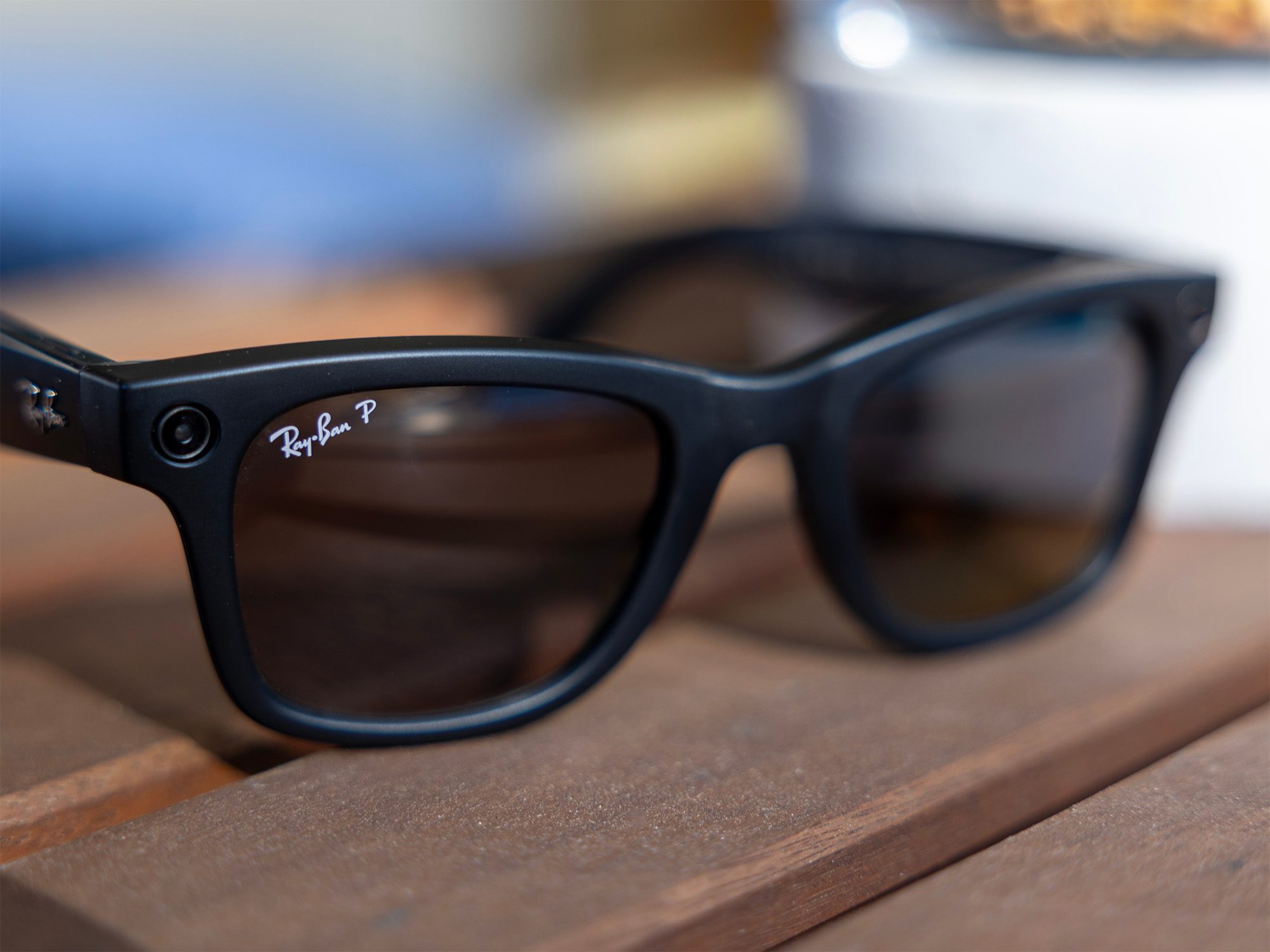
The best part about Ray-Ban Meta Glasses is their ability to be fashion-forward without compromising the tech. Many AI glasses compromise design to cram in as many features as possible, but these are different. I’m glad Meta didn’t treat design as an afterthought for their AI glasses. It is my favorite aspect of the device.
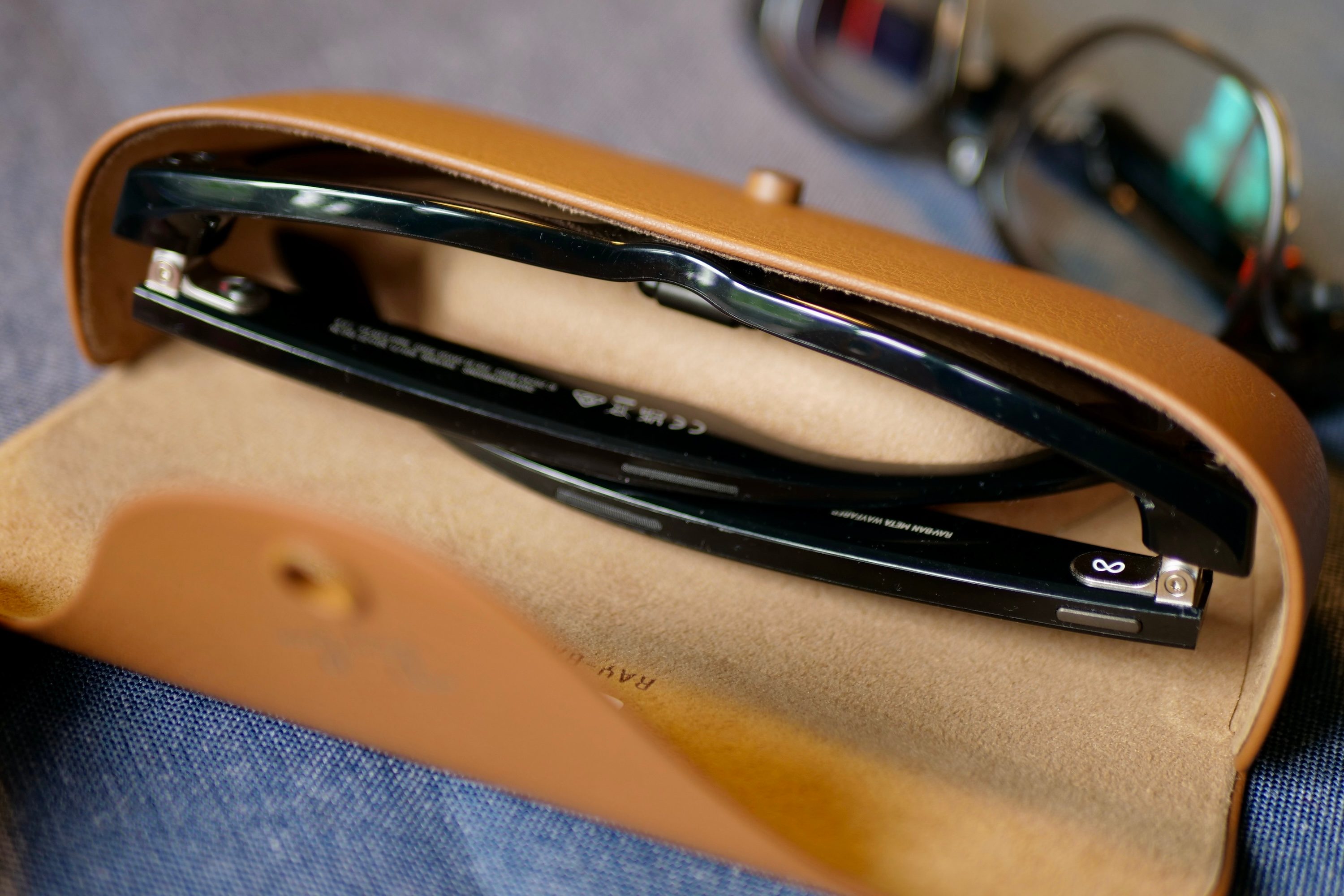
From the product itself to the charging case, everything has been meticulously designed to be a lifestyle product instead of a tech gadget. It’s one of the reasons why they’ve been my permanent travel companion for over a year — I don’t need to carry an additional wire or charging puck to keep them running. It’s more important now because battery life takes a hit when recording 60-second-plus videos (they can now record three-minute videos, up from the original one-minute limit).
I can simply place my sunglasses in their case to top up the battery. The charging case is designed to resemble any other Ray-Ban glasses case, with an added Type-C port for charging, so it’s easy to carry. More wearables need to adopt better ways to charge.
Meta Ray-Bans are getting more features this week

Meta recently announced a bunch of new features, additional summer style frames, and expansion of availability for the Ray-Ban Meta Glasses.
You can now live translate without needing to stay connected to the internet, provided you’ve downloaded the required language pack (French, Italian, or Spanish) in advance. It’s a crucial update for travelers around the world. The live translate feature allows you to converse with locals in foreign countries as well as listen to movies, lectures, instructions, and more in one of the supported languages and hear the translation through your glasses.
Meta AI is also making its way to Germany, Austria, Belgium, Denmark, Norway, Sweden, and Finland. You can ask Meta’s smart assistant questions about things you see through the glasses, like in the above-mentioned Amsterdam example.
Earlier this March, when I was in London, I was surprised and excited to see cherry blossoms in one of the parks. After all, they’ve been on my bucket list. I asked Meta AI to identify if they were indeed cherry blossoms, and it did, without needing to take out my phone. You can also ask follow-up questions without needing to say the “Hey Meta” wake word each time.
The Ray-Ban Meta Glasses allow you to make calls and send messages through WhatsApp and Messenger, with an Instagram-supported update promised to roll out soon. Plus, Meta is expanding support for more music services in countries beyond the US and Canada. You’ll soon be able to play or recognize music through Spotify, Amazon Music, Apple Music, and Shazam.
The $299 smart glasses will soon be available in India, Mexico, and the United Arab Emirates. However, Meta hasn’t announced more details on price and availability yet.
4 features that I want to see from the next Ray-Ban Meta Glasses
I’m glad Meta isn’t gatekeeping features for its next iteration and is actively developing new capabilities for its immensely popular AI smart glasses. However, there are a few features — both hardware and software — that I’d like to have on the next-gen Ray-Ban Meta Glasses.
First, a better battery life. These glasses weren’t originally supposed to record videos for more than 60 seconds, and the battery life was average then. With expanded video recording times, the battery backup has only decreased. If you’re actively using the camera and audio features, the Meta Ray-Bans will go from 100% to zero within two hours. It isn’t bad for sunglasses but not good enough for those who prefer transition lenses and want to wear their AI glasses indoors.
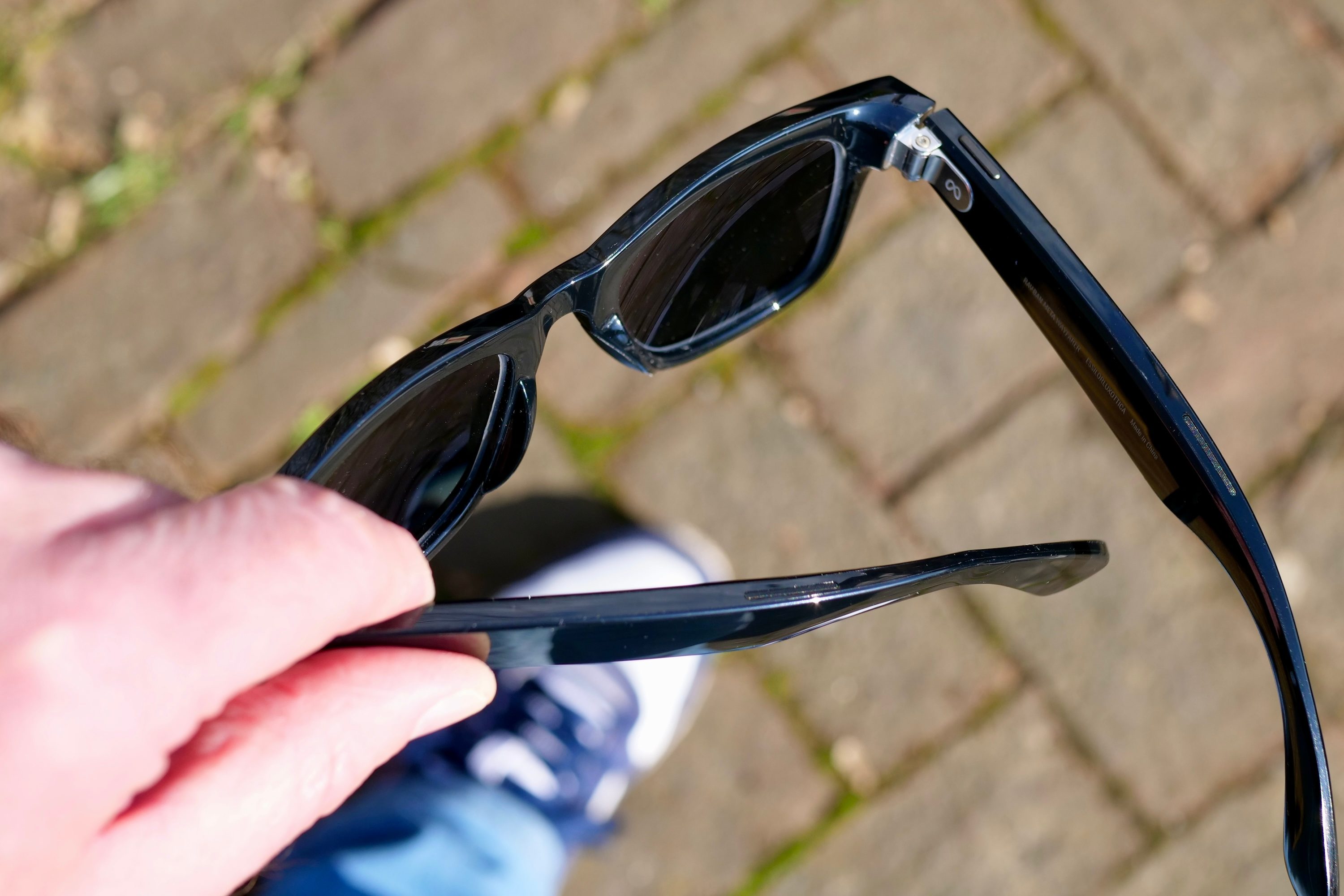
Second, I hope the next version has a better hinge. Over time, my Ray-Ban Meta Glasses’ right frame has lost its hinge tightness. The glasses are still sturdy as ever, but the loose hinge bugs me whenever I take them out of the case.
Third, and this could be added to the current-gen glasses, the ability to choose aspect ratio for videos. My Meta Ray-Bans record in 9:16 or 3:4, depending on their mood, and there’s no way for me to control it. Fourth and last, I wish the shutter lag is minimized on its successor. The current-gen Meta AI glasses have a 1-second shutter lag. Due to this, there are times when by the time they click a photo, the moment is gone. A reduced shutter lag would be a great addition.
What’s next for Meta Glasses?
We haven’t heard about next-gen Ray-Ban Meta Glasses yet, but there are rumors that Meta is working on a screen-equipped pair of smart glasses. These could be AR glasses instead of AI glasses, so possibly a separate smart glasses lineup altogether.
According to a Bloomberg report, the next Meta AI glasses are said to come with display graphics, track hand gestures, and offer even more capabilities. For instance, the company could offer a neural wristband to allow the wearer to control the glasses with gestures, “such as rotating their hand to scroll through apps and photos and pinching their finger and thumb to select items.”
Codenamed Hypernova, Meta’s next smart glasses are likely to be a high-end pair and are rumored to cost between $1,000 and $1,400. While we don’t have a release date yet, the product is said to launch later this year.
That said, the current-gen Ray-Ban Meta Glasses have quietly become the most exciting AI product for me because they fit so effortlessly into daily life. The constant software upgrades to expand their capabilities have only added to the enjoyable experience. While there’s room for improvement, especially in battery life, Meta’s steady stream of updates shows they’re committed to making these glasses even better. If this is just the beginning of Meta’s AI hardware, I can’t wait to see what comes next.