  1. Home
  2. Computing
  3. News

You can finally run Windows 11 natively on an Apple silicon Mac

Add as a preferred source on Google

Apple and Microsoft may be eternal rivals, but that doesn’t mean they never work together. Yet Microsoft has never officially supported the idea of running Windows 11 on an Apple silicon Mac, leaving the practice in something of a gray area — until now.

Installing Windows on a Mac has been pretty straightforward over the years, but the introduction of Apple silicon chips in Apple’s Macs complicated matters a little. Sure, there were ways to do it, but without Microsoft’s official approval, they required workarounds.

The Parallels Desktop Mac app showing Windows running on a MacBook Pro.
Parallels

Now, though, Microsoft has posted a support page explaining how you can pair up its own software with Apple hardware. Specifically, the guide gives the green light for Windows 11 to be run either using a Windows 365 Cloud PC or in a virtual machine like the Parallels Desktop app.

Recommended Videos

Previously, Microsoft had required computers to have a Trusted Platform Module (TPM) in order to run Windows, which not all Macs have. Parallels solved this by creating a virtual TPM, but that’s no longer necessary. Instead, you can just run Parallels as normal and it will run Windows 11 without a hitch.

Years ago, this wouldn’t really have been a problem, as a Mac user could just fire up the Boot Camp app and get their computer to load into Windows. Boot Camp doesn’t work with Apple silicon Macs, though, leaving people to find alternative solutions.
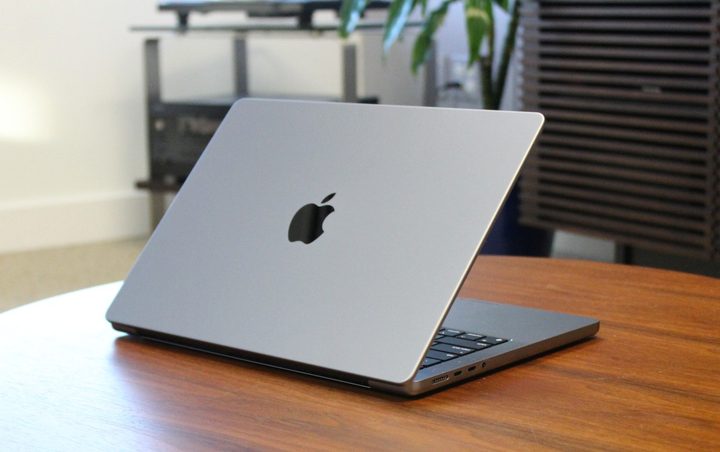
The MacBook Pro on a wooden table.
Digital Trends

One of those solutions was Parallels. This app runs Windows inside its own container on the Mac desktop, which bypasses the need to separately boot into Microsoft’s operating system.

Microsoft’s support page appears to be aimed at business users, as it suggests running Parallels Desktop alongside a copy of Windows 11 Pro or Windows 11 Enterprise. That’s unsurprising, as a major use case of virtualization software is for businesses that have a fleet of computers and need to test software on a different operating system.

Whether you’re a business user or simply want to run Windows 11 on your Mac without relying on any workarounds, this shift from Microsoft will likely be a welcome one. It just goes to show that Apple and Microsoft can play nice together when they want to.

Alex Blake
Alex Blake has been working with Digital Trends since 2019, where he spends most of his time writing about Mac computers…
Windows 11 is testing a low-latency mode and it visibly speeds up app launch
Windows 11’s new performance trick lets your CPU go all out for a moment
Windows 11 Laptop

Even on powerful hardware, you have probably noticed that Windows 11 can feel less responsive than it should. Tiny delays in basic actions like opening the Start menu or navigating File Explorer can make the system feel heavier and less polished than rivals like macOS.

Microsoft appears to know this is an issue and may finally be working on a fix. After speeding up right-click menus and Quick Settings, improving File Explorer, and making broader under-the-hood changes, the company is now reportedly testing a new feature called Low Latency Profile to make Windows 11 feel more responsive overall.

Read more
Chuwi’s CoreBook Air wants to be the rare ultra-light Copilot+ laptop without an outrageous price
The CoreBook Air 226V's specs would be impressive from Lenovo or Dell; coming from Chuwi at $800, they're either a genuine breakthrough or a reminder that price isn't the only thing that matters when buying a laptop.
Chuwi new lightweight option.

Chuwi has never been the brand you associate with top-tier hardware: it built its name on budget laptops that punched above their weight at entry-level prices. 

The new CoreBook Air 226V is a deliberate step away from the brand’s comfort zone. It’s a sub-1kg Copilot+ PC built around Intel’s Lunar Lake processors, and at $800, it’s asking buyers to trust it with something that it has never before: a premium Windows laptop. 

Read more
Bots now account for over half of the internet traffic and they’re raising all kinds of hell
Humans are now the minority on the web, thanks to bots
Isometric Ai assistant and bubble speech, 3D illustration

While humans built the internet, actual people aren't the ones roaming the online space the most. A new report from Thales says bots accounted for more than 53% of all web traffic in 2025, up from 51% the previous year. Meanwhile, human activity has fallen by 47%, which means automated traffic has now become the dominant force online. And that's not even the bad news.

How AI is making the bot problem worse

Read more