Microsoft Build changed for 2019. The company ditched the old longform keynote format with live on-stage coding in favor of a shorter and more focused format and placed new emphasis on the show floor.
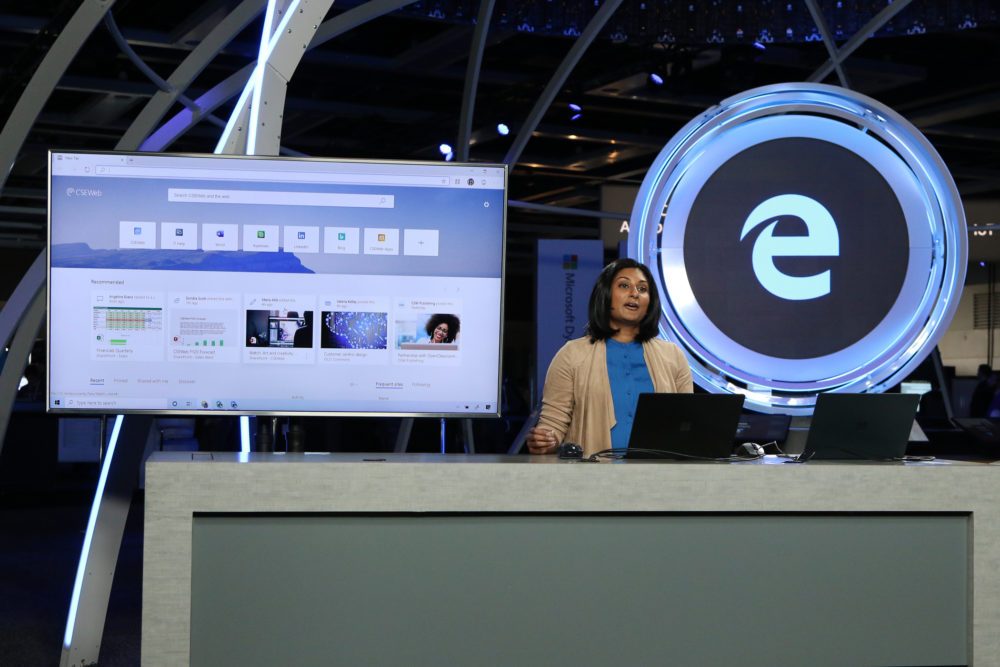
But more notably, the company completed its cloud-first shift by almost entirely banishing Windows from the main stage. The Windows 10 May Update just rolled out, but you wouldn’t know that for the keynote. Most of what was said focused on Edge’s transition to Chromium.
This cold shoulder comes just weeks after Microsoft announced the official cancellation of Windows’ highly anticipated Sets, a feature I was looking forward to. Suddenly, the future of Windows 10 looks extremely dull. What does that mean for the future of the world’s most popular operating system?
Wither Windows?
Don’t get me wrong. I’m not suggesting that Microsoft is abandoning Windows 10. The operating system remains popular and continues to see a steady update schedule, such as the May Update just mentioned. These free improvements put Apple’s tepid MacOS updates to shame.
Still, Microsoft’s tone has shifted over the past few years. Windows was mentioned less. Azure, the company’s cloud computing service, was mentioned more. Build 2019 marks the completion of that transition. Windows didn’t just take a back seat. It was hardly mentioned. And, when it was, the focus wasn’t on new Windows features but instead on ways Microsoft’s various cloud services can enhance or work alongside Windows.
Consider Search. Microsoft made a big deal of how its investments in cloud technology like Microsoft Graph has paid off in a better search experience that works across devices. It can pull directly from just your own data, but also data from any corporation or organization you’re a part of. Anyone who’s spent an hour trying to track down a form or document hidden in a shared company folder knows how useful this can be.
Search will work with Windows 10, of course — but the new features are only relevant if you’re part of a large organization that’s subscribed to Microsoft 365. Home users, and organizations that aren’t a Microsoft 365 customer, won’t see much (if any) difference.
It’s the same story with Microsoft Identity, the company’s password-less security platform. You can login to multiple devices and applications using just your face or fingerprint, seamlessly leaping between them. But this targets enterprise and internal applications. Windows 10 Home users aren’t going to see a benefit.
The shift was felt in Build’s session catalog, as well. Only 30 of Build’s 489 sessions focus on Windows, and several of those are about the Edge browser, not Windows a whole. The only notable win for Windows nerds at Build 2019 was the new Windows Terminal, which now supports tabs, visual customization, and even emoji. Yet it’s a minor and narrow victory that only applies to programmers and the most hardcore fans.
Even the Edge web browser is shifting to focus on Microsoft cloud services. Again, many new features that were shown (like Search integration and the new Internet Explorer tab) target enterprise, not personal, use. Web browser? Nah. Call it a cloud browser.
Goodbye desktop, hello cloud
Windows 10 is still a great desktop operating system. At Build 2019, however, it became something else entirely. Windows wasn’t presented as a foundation on which software was built. Instead it was just another portal into wider world of Microsoft cloud services, which have replaced Windows as the foundation. It’s representative of a shift in the way a lot of people use their computers today, even those running a powerful operating system like Windows 10.
It’s a strange situation. Microsoft’s successful transition to the cloud has freed it from reliance on Windows. That’s a good, necessary move. Yet Windows remains by far the most popular desktop operating system. MacOS is treated poorly by Apple, which clearly prefers to sell the iPad Pro, and the “year of Linux” just never happened.
Windows is no longer the king of desktop operating systems, yet the throne remains vacant in its absence. Like it or not, Build 2019 made it clear the cloud is the new, permanent seat of power.