  1. Home
  2. Computing
  3. Web
  4. News

Microsoft’s Chromium Edge browser may be adding your Chrome extensions

Add as a preferred source on Google
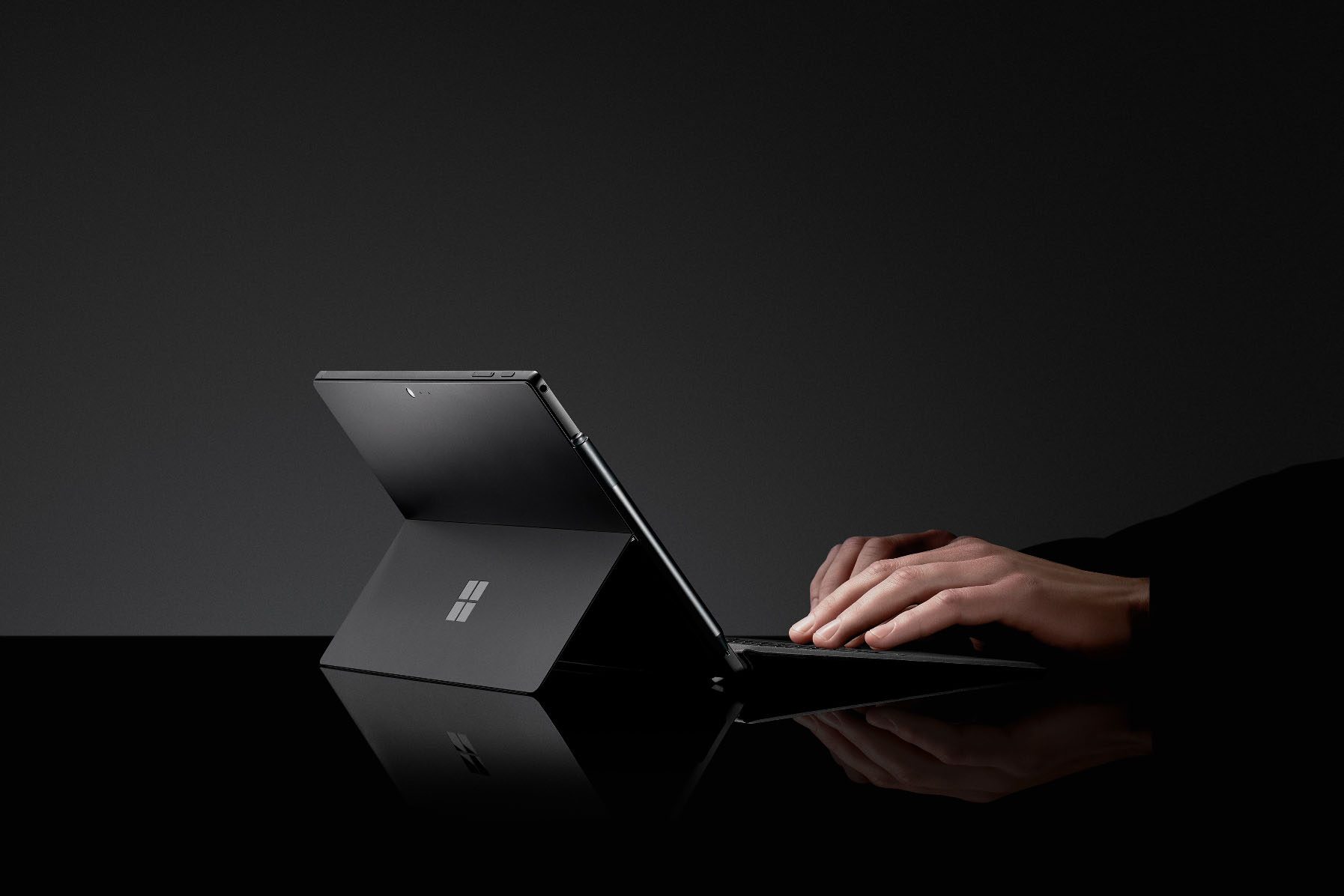
Microsoft Surface Device
Image used with permission by copyright holder

Microsoft recently announced that it would be switching its Edge web browser away from its proprietary EdgeHTML engine to Google’s open-source Chromium Project. That left a myriad of questions, one being if the latest generation of Edge will now support Chrome extensions. Thanks to an active Reddit community, and Microsoft Edge Projector Manager Kyle Alden, the answer seems to be most likely — you will hopefully be able to bring all your favorite extensions to the party.

We carefully note that you should be able to bring your favorites as Alden commented that it was the team’s “intention to support existing Chrome extensions.” While we want to take this comment as a confirmed yes for Chrome extension fans, Aldren merely noting that the company has intentions is positive phrasing, but not a wholly assured response. Microsoft may take its time rolling out a base version of Edge with chromium support, before taking the plunge into supporting an extension marketplace — or they may opt to forgo Chrome extensions entirely.

Recommended Videos

With Google Chrome currently placed at the top of the browser market chart, Microsoft’s latest switch to the Chromium Project might be the push it needs to entice fans of other browsers. Similar to the ecosystem pull that we see with mobile and desktop operating systems, web browser such as Chrome are beginning to establish their extension marketplace that might keep users in place; however, with Microsoft potentially supporting such extensions in Edge, switching might become a bit easier.

Alden confirmed a few additional facts about the upcoming version of Edge and future decisions that the company will need to make surrounding universal apps in the Windows store, noting that “existing UWP apps (including PWAs in the Store) will continue to use EdgeHTML/Chakra without interruption.” Developers will also be able to choose which rendering engine they would like to opt for in future apps thanks to a new WebView.

It was also noted that we will see the latest version of Microsoft Edge making its way to Xbox One, so any fans of Microsoft’s home entertainment console can enjoy browsing the web with an entirely new engine under the hood.

Michael Archambault
Former Digital Trends Contributor
Michael Archambault is a technology writer and digital marketer located in Long Island, New York. For the past decade…
Microsoft Edge is about to get more frequent updates, but don’t expect more features
Starting with Edge 152 on August 27, Microsoft is cutting its release cycle in half, with smaller but more frequent updates for Stable channel users.
Microsoft Edge illustration official

Microsoft is accelerating updates to its Edge browser, switching from a monthly release schedule to a biweekly one. The change takes effect with Edge 152, due on August 27, and puts the browser on the same cadence as Google Chrome.

More updates, not more features

Read more
What makes a laptop good for both work and entertainment?
Computer, Electronics, Laptop

This post is brought to you in paid partnership with HP.

The HP OmniBook X Flip is designed as an all‑day AI PC that adapts seamlessly from productivity to entertainment without switching devices.

Read more
Your Windows 11 PC can now natively run AI workloads, even if it lacks the Copilot+ badge
Windows 11 laptop on a table

For the better part of a year, Microsoft has been telling us that the future of AI on Windows belongs to Copilot+ PCs. If you wanted Microsoft’s most advanced local AI features, you needed a machine with a dedicated Neural Processing Unit (NPU). That was the deal. Now, Microsoft appears to be rewriting the rules.

According to updated documentation, Windows 11’s local Language Model APIs can now run on non-Copilot+ PCs, provided they have an Nvidia GeForce RTX 30-series GPU (or newer) with at least 6GB of VRAM. On the surface, this sounds like a developer-focused update. In reality, it could be one of the most significant shifts in Microsoft’s AI PC strategy since Copilot+ PCs launched last year. More importantly, it raises a question that has been lingering ever since the AI PC era began: Did we really need NPUs for all of this in the first place?

Read more