  1. Home
  2. Computing
  3. News

Microsoft Erases “Edge uninstall” page following user backlash

Add as a preferred source on Google
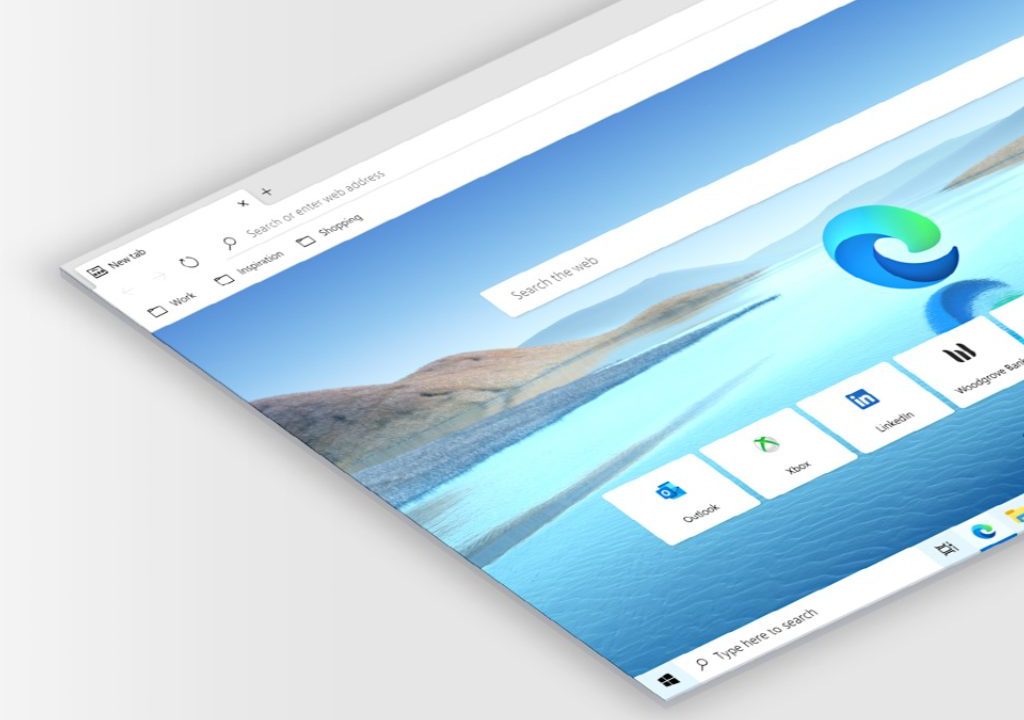
The Microsoft Edge browser on a flat surface.
Microsoft

After user backlash, Microsoft removed the “Edge uninstall” document, which contained instructions on how to uninstall the browser but only had text promoting it, as Windows Latest reports. We mentioned the online document yesterday, so it’s clear Microsoft didn’t waste time taking it down.

When you read the document, you saw only information promoting Edge over Chrome, with no instructions on how to remove it. Now, when you visit the site, you are welcomed with Microsoft’s Edge portal and the button to try Edge at the very top. If you live in Europe, you can uninstall Edge, but that’s not the case for everyone else because other bits of the operating system depend on the code in Edge, as Microsoft claims.

Recommended Videos

The Edge browser is great—it even tops our list of the best browsers. But when a company tries too hard to encourage you to use it, it has the opposite effect. In fact, Edge beats Chrome with features such as vertical tabs and more, but the misleading title frustrates many users. Moreover, Microsoft has not officially released a statement mentioning why it pulled the online document, and there is a good chance they will not.

This is a clear case of bait-and-switch, as users were promised one thing and met with another. However, this isn’t the first time Microsoft has gone overboard in trying to push Edge on users. Not too long ago, it used full-screen pop-ups to try to convince you to make the switch. So, we’ll see what pops up next.

Judy Sanhz
Computing Writer
Judy Sanhz is a Digital Trends computing writer covering all computing news. Loves all operating systems and devices.
Google wants your app code so badly, it’s willing to pay for it
Google is paying for app code, and the reason is exactly what you think.
Google Logo

Google has been quietly reaching out to Android developers with an offer to buy access to their code. As reported by 404 Media, the company sent emails to a select group of Google Play developers, inviting them to join what it calls a "confidential content offer pilot." 

The email frames it as a revenue opportunity, saying developers can "get paid for sharing the code powering your apps, as well as your archived projects." Google adds that developers retain their intellectual property rights and that the license is non-exclusive.

Read more
Nvidia confirms more RTX Spark processors are coming with N2X and N3 series lined up
Huang confirming a multi-generation roadmap before the first device has even shipped is the clearest signal yet that this is a decade-long commitment.
nvidia-rtx-spark

The PC and laptop industry has run on Intel and AMD silicon so long that most people don’t even question whether these are the only options. 

Nvidia just answered that question at Computex 2026, in the form of the RTX Spark superchip, and Jensen Huang’s comments about what comes next suggest that it wasn’t a one-time experiment. 

Read more
AI fitness coach senses the muscle mechanics as you exercise and prevents rookie injuries
Most fitness apps offer encouragement dressed up as coaching, but BioCoach offers anatomy-specific corrections, and I could see it becoming a smartphone app real soon.
Woman exercises with her Apple Watch and Dexcom G7.

During the pandemic, the US Consumer Product Safety Commission recorded a 48% spike in at-home exercise injuries. You might think that the culprit was bad equipment, but it was bad form. People had no coach around to correct it.  

Researchers at Drexel University and Michigan State University have built a prototype that addresses exactly that problem, in real time, using your phone camera, and there’s real potential for it to become a legitimate fitness app in future (via Tech Xplore).

Read more