
Just as Apple did almost a year ago with the ARM-based M1 chip, Microsoft is getting ready to finally dive into ARM-based architecture. Today, at its annual Build Developer conference, the company detailed new ways for developers to port their apps to ARM-based PCs like the Surface Pro X.
The forefront of those plans is a new Snapdragon Developer Kit. Microsoft says that this kit is an affordable Windows on ARM-based PC that is specially designed for developers. The kit will be available for purchase at the Microsoft Store this summer as part of a partnership between Microsoft and Qualcomm Technologies. Microsoft didn’t share specific pricing or availability, but notes it will be “cost-effective.”
Similar to Apple’s Developer Transition Kit (which was a special Mac Mini model for app developers with the M1 chip inside), the Snapdragon Developer Kit is a small desktop PC. The PC is a reference device based on the Qualcomm Snapdragon 7c compute platform. Microsoft hopes it can lower the barrier for developers to port their Windows apps to support ARM64 natively.
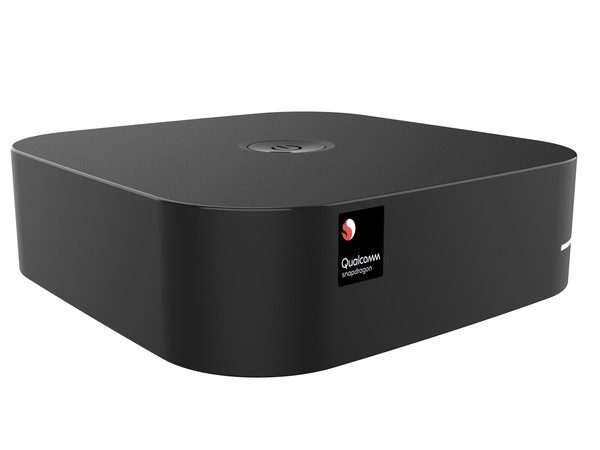
Typically, developers who want to code for Windows 10 on ARM would have needed to purchase a Snapdragon-powered PC like the Surface Pro X, Samsung Galaxy Book S, or Lenovo Flex 5G. These devices are quite costly, and the developer kit lowers the end price for parties interested in porting apps.
Many developers have been slow to tweak their apps for the Windows 10 on ARM platform. This has been the main reason why Snapdragon-powered PCs have long suffered from app compatibility issues — and one of the main things Apple nailed with its transition to Apple Silicon.
Need proof that Microsoft is finally getting serious about its transition to ARM? Well, Adobe has long been a holdout in bringing native performance to this platform, but now it has announced that it fully supports the transition to ARM. Its Photoshop Suite now runs natively on Windows 10 on ARM.
Microsoft also made its own moves to beef up Windows 10 on ARM. It was testing 64-bit app emulation on devices like the Surface Pro X and has a program that aims to support Teams, the Microsoft Edge browser, and Visual Studio on ARM-based devices.
In a related note, Qualcomm also has announced the Snapdragon 7c Gen 2 Compute Platform. This upgraded entry-level chip for ARM devices promises enhanced camera and audio capabilities, integrated LTE connectivity, A.I. acceleration, enterprise-grade security features, and up to 19 hours of battery life on devices.


