  1. Home
  2. Computing
  3. News

Digital Trends may earn a commission when you buy through links on our site. Why trust us?

Report: Microsoft to delay Surface Neo and Windows 10X devices to 2021

Add as a preferred source on Google
 

Microsoft is redirecting its energy into optimizing its upcoming Windows 10X operating system for single-screen devices, rather than novel form factors that would have spanned dual-screen and foldables. If the report is accurate, then Microsoft may have just dashed the hopes of Windows faithful who may have hoped to see Microsoft’s new dual-screen Surface Neo tablet debut as promised before the end of this year.

Recommended Videos

Microsoft reporter Mary Jo Foley revealed the findings from contact over at ZDNet. She says that newly installed chief product officer Panos Panay informed his team internally that the Surface Neo and Windows 10X would not ship this calendar year. The delay would also affect third-party dual-screen Windows devices that had planned on shipping this holiday season. So far, we’ve seen previews of such devices from companies like Dell and Lenovo.

Rather than branch out in still new and uncharted territory, Foley indicates that Microsoft may be using this time to leverage Windows 10X as an operating system that will help the company compete against Chromebooks and other single-screened devices. This could also allow Windows 10X to be a viable alternative to Apple’s iPad and iPad Pro tablets as well.
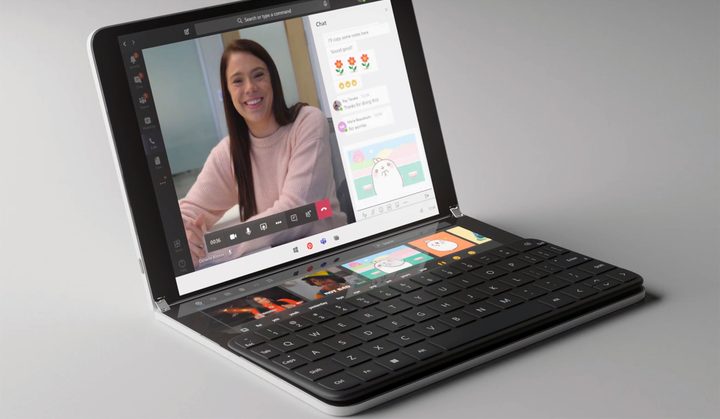
Surface Neo
Image used with permission by copyright holder

Though Foley cited supply-side issues caused by the worldwide coronavirus pandemic, the delay adds another chapter to the company’s saga with dual-screen form factors that began with the Courier tablet concept.

The company had created some public and developer-centric demos surrounding the Windows 10X-powered Neo since the device was announced late last year, including showing how traditional Win32 apps can run in a virtualized container on the new OS, which is also known by its Santorini and Windows Core OS code names. However, it remains to be seen if the virtualized app experience is fast enough to use on a daily basis.

Foley says she’s heard from her sources that virtualizations could be incorporated into Windows 10 as well. That lines up well with the rumored substantial Windows 10 update scheduled for fall 2020.

For now, though, it looks as if Windows 10X may debut on clamshells, tablets, and more traditional form factors before arriving on the Surface Neo.

There is no indication that the Surface Duo has been delayed, which has recently been rumored to launch ahead of schedule, perhaps as early as this summer.

Chuong Nguyen
Silicon Valley-based technology reporter and Giants baseball fan who splits his time between Northern California and Southern…
How to find archived emails in Gmail and return them to your inbox
Archived emails in Gmail are easier to find than you think—once you know where Google hides them
Gmail icon on a screen.

If you’re looking to clean up your Gmail inbox, but you don’t want to delete anything permanently, then choosing the archive option is your best bet. Whenever you archive an email, it is removed from your inbox folder while still remaining accessible. Here’s how to access any emails you have archived previously, as well as how to move such messages back to your regular inbox for fast access.

Read more
Gemini Live gets a minimalist app redesign that lets you do more
Gemini Live just got easier and faster to use
google-gemini

Google is testing a new redesign for its Gemini Live experience on Android, aiming to make interactions with its AI assistant more seamless and less intrusive. According to a 9To5Google report, the update moves away from the current full-screen interface and instead integrates Gemini Live directly into the main app view, signalling a shift toward a more practical, everyday usage model.

A Shift Away From Fullscreen AI

Read more
AI’s chip hunger could keep memory prices painfully high for years
Memory shortages may haunt your next phone, laptop, and GPU for years
Crucial Memory and SSD

While recent reports claimed that memory prices may not fall till 2027, it seems like the memory chip crunch isn't a short-term headache. And that's bad news for anyone hoping phone, laptop, and GPU prices will get cheaper again soon.

Reuters reports that SK Group chairman Chey Tae-won said the global chip wafer shortage is likely to last until 2030, with artificial intelligence demand continuing to outpace the supply. Chey said the current shortage could remain above 20%, largely because AI systems require huge amounts of high-bandwidth memory and therefore burn through a lot of wafers.

Read more