The word “affordable” is rarely associated with Apple products. The company’s high prices have caused hecklers to bemoan the “Apple Tax” for decades. More recently, it’s even provided ammo for competitors looking to distract from their own PR disasters.
None of that, however, adequately prepared Mac fans for the past three years. The pricing of all things Mac has gone up with each new hardware iteration, and often by hundreds or even thousands of dollars. Is it justified? And why has Apple launched Mac pricing into the stratosphere?
Yes, the Mac Pro is becoming more expensive
The new Mac Pro starts at $6,000. That’s a lot of money, but high-end Macs have always been expensive. Is the new model’s price really that high once you adjust for inflation?
Yes, it is. 1985’s Macintosh XL was a cool $10,000. The Apple Macintosh Plus, released in 1988 for $2,599, adjusts to just a hair above $6,000 in today’s dollars. As the Mac gained steam in the late 1980s, however, prices dropped significantly. The original Mac Pro, released in 2006, had a $2,500 list price. That translates to about $3,150 in today’s dollars. 2013’s “trashcan” Mac Pro started at $3,000, which is just $3,300 once adjusted for inflation.
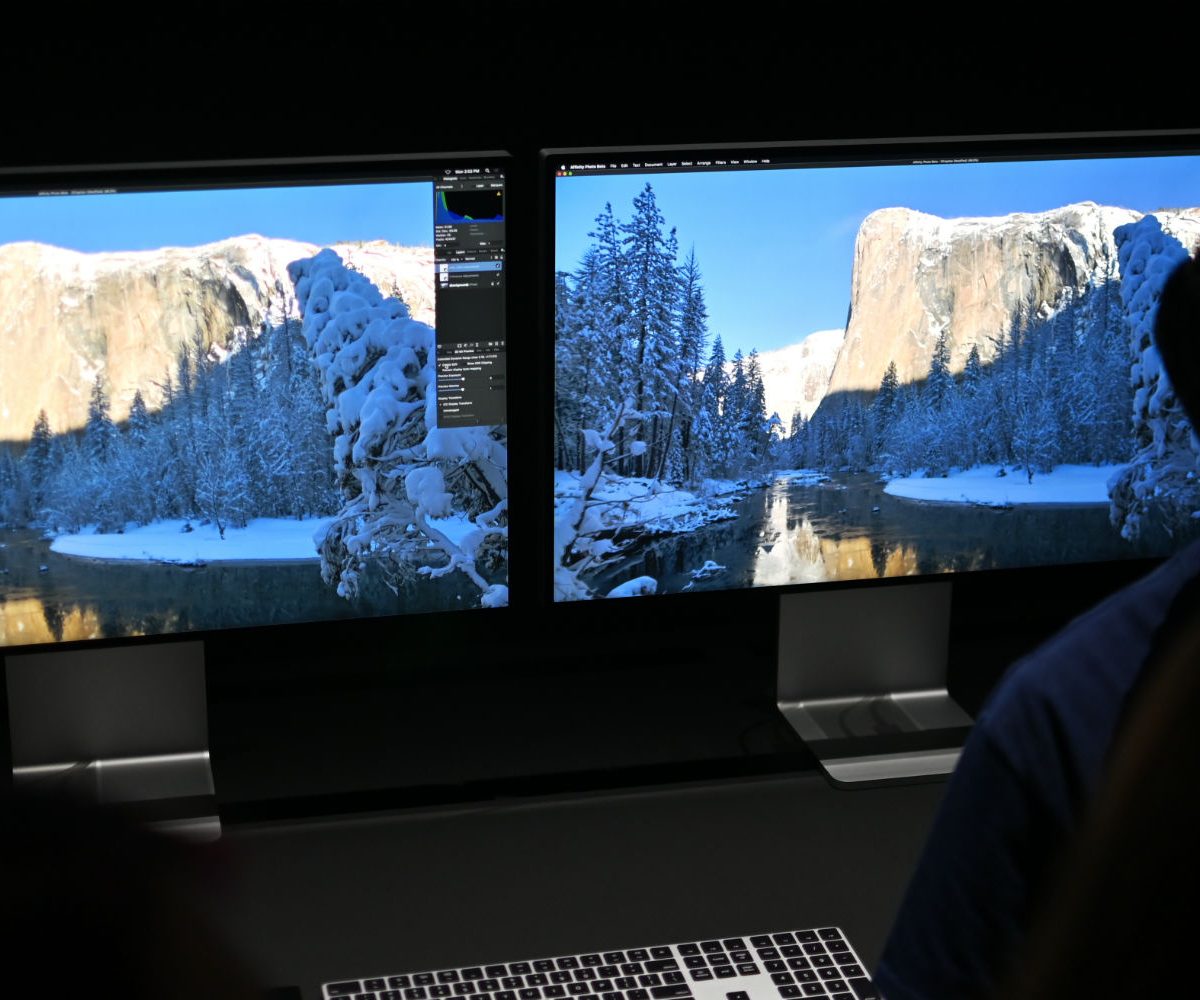
The display is even more egregious. Starting at $5,000, the Pro Display XDR is more expensive than most modern televisions, including 65-inch OLEDs. You can find even more expensive Apple displays if you take a time machine back to 1991, when an Apple Macintosh 21-inch Display would set you back $4,599 – an incredible $8,600 today. But nothing in the past decade compares. The old Thunderbolt Display was a relative bargain at $999. Hell, you can buy a 5K Retina iMac, computer and all, for $1,800.
“Pro” means “not for people”
This trend doesn’t include all Mac devices – the iMac is not a bad deal, and the MacBook Air starts at $1,200 — but it does include every Mac with Pro branding attached to it.
Apple’s least expensive Pro is the MacBook Pro 13, which starts at $1,300, but that buys you a hilariously stripped-down machine with only a dual core processor. Yes, a dual-core processor, at $1,300, sold in 2019. Like I said. Hilarious.
A prosumer likes the serious, professional, put-together device because it reflects on them.
What you really want is the $1,800 model with the Touch Bar. Not because the Touch Bar is any good, but because it’s the least expensive Pro with anything resembling competitive hardware. Yet even that only buys 8GB of RAM and 256GB of storage.
This drives home an important, subtle shift, one that wasn’t obvious as it occurred but now seems plain. The Mac Pro brand, including the MacBook Pro, has abandoned prosumers.
Prosumers was always an awkward term, but it usually referred to enthusiasts who don’t need cutting edge hardware but want it anyway. A prosumer likes the serious, professional, put-together device because it reflects on them.

I’m not personally a Mac fan, but I’m guilty of this same urge with other brands. For example, I love ThinkPad. I like the rough, tough, do-anything nature of that brand — even though I carefully protect my laptops, which are never exposed to anything more destructive than being tossed on the conveyor belt at airport security.
A prosumer device is expensive. No one has ever called a Mac Pro affordable. ThinkPads are expensive for what you get. The same is true of Dell’s XPS and HP’s Envy (or whatever brand HP considers premium this year). But they’re not too expensive. They’re a luxury, but one many people can afford.
They’re priced so high that even enthusiasts won’t be able to justify buying them.
Apple’s new Mac Pro and Pro Display XDR aren’t luxuries. They’re priced so high that even enthusiasts won’t be able to justify buying them. The $11,000 bill for a new Mac Pro with display is enough to buy a very nice used car.
It seems crazy. But remember, the Mac Pro isn’t meant for people. It’s meant for companies, governments, organizations. It might still look like a prosumer device but, through pricing, the Mac Pro has narrowed its focus and cast off the concerns of even the most fanatical amateurs.
But hey. There’s hope. If you get hired at Pixar, or Adobe, or Industrial Light and Magic, you might, if you’re lucky, have the rare chance to touch one.