
Apple’s 14-inch MacBook Pro has finally splashed down after many months in the rumor mill stratosphere. As we expected, it combines innovative new features with the return of much-loved old favorites like MagSafe. It’s an enticing device, albeit an expensive one given its $1,999 starting price.
But while all the excitement centers on this shiny new laptop, it’s thrown last year’s 13-inch M1 MacBook Pro into the shade. Apple is still selling this device, but compared to the MacBook Air and the new MacBook Pro 14, it is struggling to stake out a claim to relevance. In fact, you probably shouldn’t buy the MacBook Pro 13 at all. Here’s why.
Going toe-to-toe with the MacBook Air
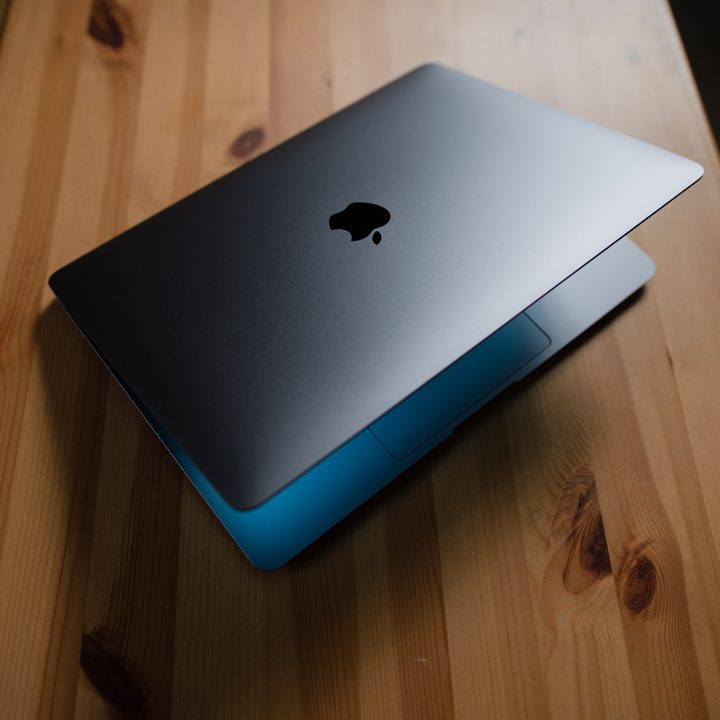
Even before we got our first glimpse of the MacBook Pro 14 at Apple’s October event, the M1-enabled MacBook Pro 13 was struggling to make a case for itself. It overlapped the M1 MacBook Air in a huge number of areas, yet cost upwards of $300 more. Unless you had very specific reasons — or couldn’t resist the Pro moniker — the MacBook Air was usually the more convincing choice.
Now, as then, the MacBook Air and the MacBook Pro 13 share a conspicuous number of features. They both come with the same two Thunderbolt 3 ports, the same Magic Keyboard, and the same storage and RAM options. And while the battery life and the M1 chip’s graphics options are slightly different between them, they are close enough to be negligible.
Yet despite all that, the MacBook Air is $300 cheaper than the MacBook Pro. It’s also thinner and lighter, highlighting how little extra you get with the MacBook Pro 13’s added bulk.
All of this puts the MacBook Pro 13 in a really awkward spot. If you want an entry-level Apple laptop, the MacBook Air is undoubtedly the better choice. But things get more bleak for the MacBook Pro 13 when you consider the new 14-inch variant.
The MacBook Pro 14 pulls ahead

You can configure the MacBook Pro 13 to have some higher-end perks, but even that can’t make it compete with Apple’s brand-new MacBook Pro 14, which offers far more pro-level features and performance. Plus you even get a notch.
For instance, let’s take the $1,499 MacBook Pro 13 that comes with the M1 chip, 8GB of memory, and 512GB of storage. You can bump its memory up to 16B and its storage to 1TB, which takes the price to $1,899.
Yet compared to the base MacBook Pro 14 model, you’re still getting a vastly inferior chip, no MagSafe, fewer ports and less port variety, and a lower-quality display. You’ll only be paying $100 less than the MacBook Pro 14, despite last year’s laptop being a far less impressive machine.
I can understand Apple wanting to keep an entry-level MacBook Pro around for people who are desperate to go “Pro,” but don’t want to pay $1,999 or more, but in doing so, the company has made its laptop an almost impossible sell. Compared to the MacBook Pro 14, it’s not even a close contest. Then, when you go down a few pricing, err, notches, the MacBook Air outcompetes the MacBook Pro 13 for $300 less. Right now, last year’s MacBook Pro is so far from being the best MacBook that its existence is hard to justify.
A niche machine

Yet, there are still a few reasons you might want to pick up a MacBook Pro 13. Compared to the MacBook Air, the MacBook Pro 13 offers better speakers and microphones, a brighter display, slightly better graphics performance, and a little more battery life. The MacBook Pro 14 tops it in all those aspects, but it costs a lot more. That means that, in some specific cases, the MacBook Pro 13 hits the sweet spot between the MacBook Air and the MacBook Pro 14.
And then there’s the Touch Bar. The MacBook Pro 13 is now the only MacBook to come with this touch-sensitive strip, and it’s clear Apple will soon phase it out since it was absent on the MacBook Pro 14. During its five years of life, the Touch Bar has been divisive, but I know people who swear by it. If you want it, the MacBook Pro 13 is the only way to get it.
The problem is that all these benefits are decidedly niche. There’s no truly standout reason to get the MacBook Pro 13, and plenty of persuasive reasons to avoid it. It was a strange decision by Apple to keep it around without dropping the price, but it’s what we’re stuck with. Unless you have very particular needs, it’s a device that is best avoided.


