
Nvidia just fired the latest salvo in its ongoing graphics cards war with competitor AMD with the release of a trio of new graphics cards: the GeForce GTX Titan Black, GeForce GTX 750 Ti, and the GeForce GTX 750.
The Titan Black replaces the Titan, which is no longer being sold. Meanwhile, the 750 Ti and the 750 are both powered by Nvidia’s new Maxwell architecture. According to Nvidia, when compared with a GTX 550 Ti, which you can currently grab for about $105 via Froogle, the 750 Ti offers double the performance while also consuming half the power. If accurate, those stats are quite impressive.
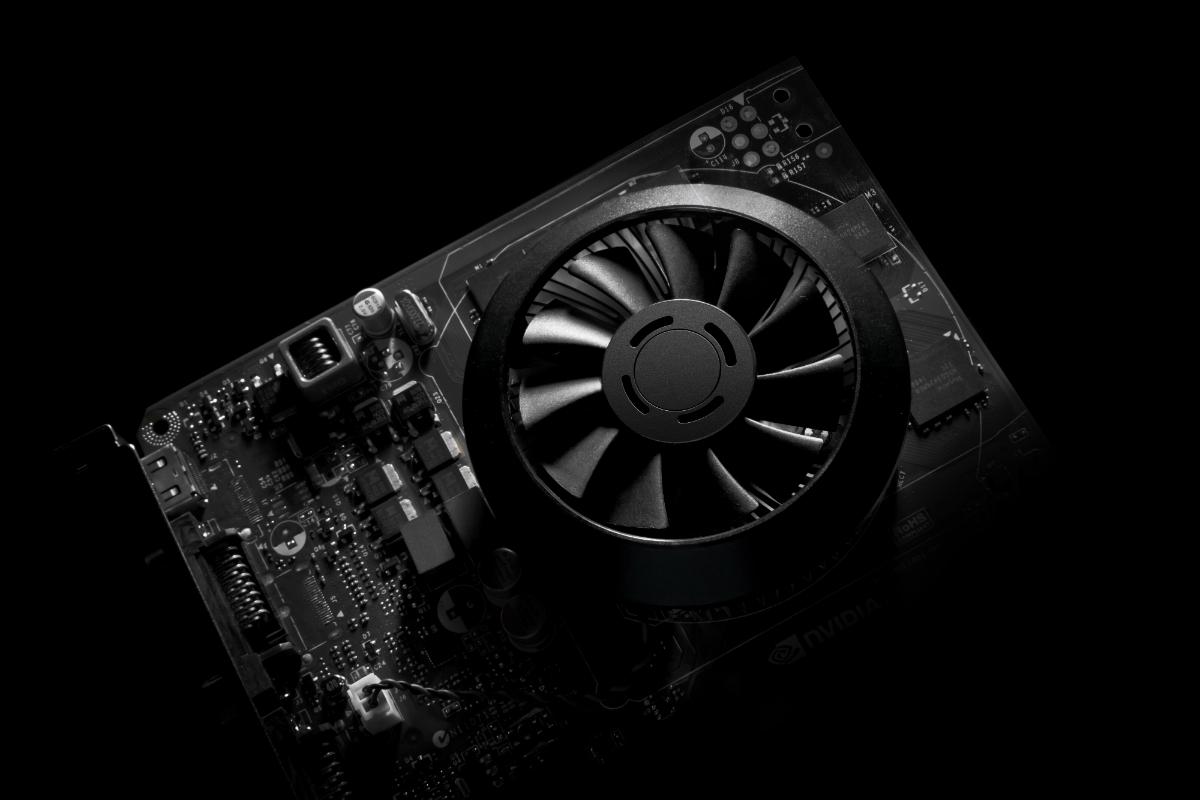
Considering that the 750 Ti draws very little power, you likely won’t need to swap out your power supply for a new juice box thanks to this card’s minuscule energy demands. Nvidia claims that it can even be used with power supplies as low as 300 watts, and the 750 Ti doesn’t require a power connector. Just slot it in into your motherboard and go. Same for the GeForce GTX 750.
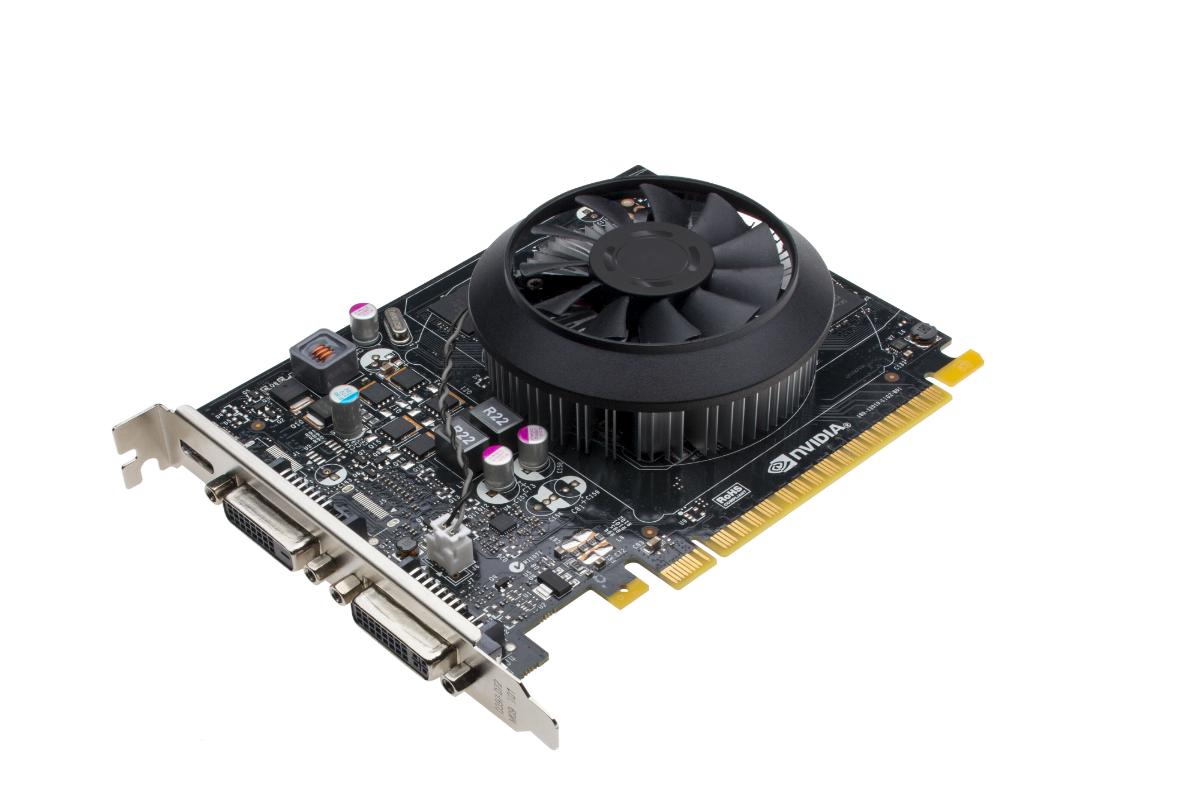
The Titan Black, Nvidia’s brand new high-end card, is powered by 2,880 CUDA cores, a base clock of 889 MHz, 980 MHz boost clock, 6GB of 384-bit GDDR5. It also packs HDMI and DisplayPort connectors, and a pair of DVI ports.
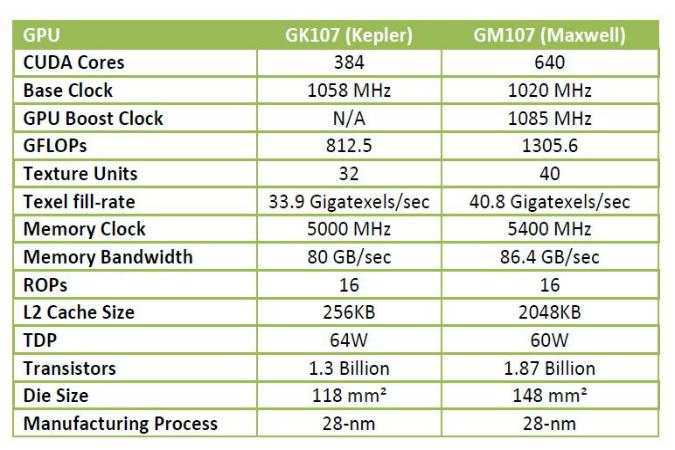
The 750 Ti’s specs include 640 CUDA cores, a base clock of 1,020 MHz, a boost clock of 1,085 MHz, up to 2GB of 128-bit GDDR5 RAM (though 1GB models will also be available), mini-HDMI, a pair of DVI ports, and an optional DisplayPort connector. Meanwhile, the 750 includes 512 CUDA cores, a 1,020 MHz base clock, 1,085 MHz boost clock, 1GB of 128-bit GDDR5 RAM, and the same ports found on the 750 Ti.
Here’s how the new Maxwell architecture stacks up with Kepler, Nvidia’s previous tech.
 All three cards, the Titan Black, 750 Ti, and 750, are available right now. The Titan Black is priced at $999, the same exact rate for the original Titan. The 2GB GeForce GTX 750 Ti is going for $149, while the 1GB version sports a $139 price tag. As you might have predicted, the cheapest card of the bunch is the GeForce GTX 750, priced at $119.
If you have an old PC that’s in dire need of an upgrade but can’t spend a couple of hundred dollars in order the pull it off, the 750 Ti is probably right up your alley.
What do you think? Sound off in the comments below.


