
Nvidia’s planned $40 billion acquisition of one of the largest chip designers in the world, ARM, will reportedly fall through.
According to Bloomberg News’ sources, the GPU giant is now preparing to abandon its proposed takeover of the British-based ARM.
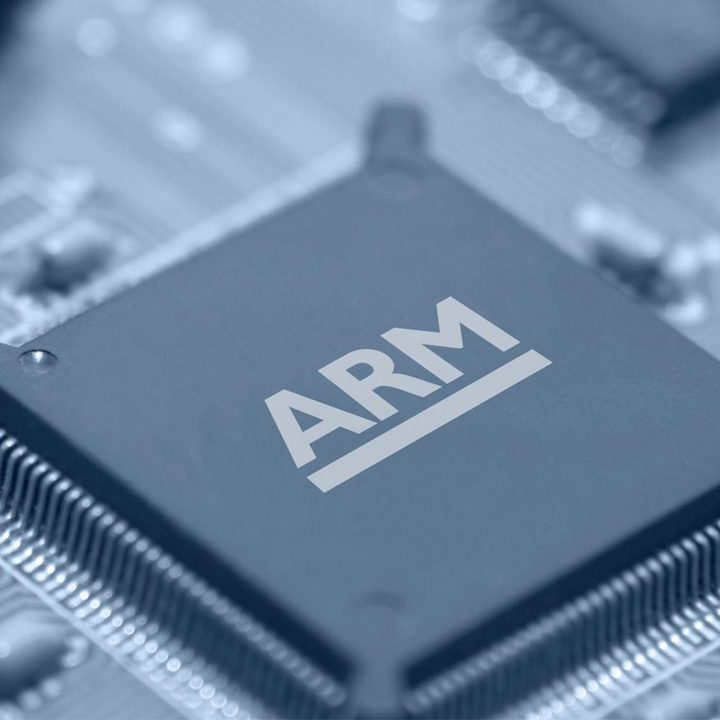
Nvidia, primarily known for its graphics cards, is also a leading chip manufacturer, and its purchase of ARM would have paved the way for a technology behemoth. However, as Bloomberg reports, the company has apparently informed partners that it does not expect the deal to ultimately materialize.
ARM’s parent company, SoftBank, is currently said to be accelerating plans for an initial public offering (IPO) of the Cambridge-based semiconductor firm. It was initially hoping Nvidia’s deal would be completed by March 2022.
“We continue to hold the views expressed in detail in our latest regulatory filings — that this transaction provides an opportunity to accelerate Arm and boost competition and innovation,” an Nvidia spokesperson told CNBC. A SoftBank spokesperson, meanwhile, added that it remains “hopeful that the transaction will be approved.”
The transaction largely involves stock instead of cash, and, as Tom’s Hardware notes, Nvidia’s stock has doubled in value since the original announcement of the deal. As such, SoftBank could have potentially received a financial windfall far exceeding the agreed $40 billion price.
In all likelihood, the numerous investigations launched by several regulatory agencies from both the U.S. and U.K. governments have seemingly proved to be an obstacle Nvidia will not be able to overcome.
In December 2021, the U.S. Federal Trade Commission (FTC) launched a lawsuit against Nvidia in regard to the proposed acquisition. Its chief concern surrounding the deal centered around Nvidia’s potential ability to suppress competition.
ARM’s chip designs and architectures are licensed to some of the technology industry’s largest companies. Alongside Nvidia, Apple, Samsung, Intel, and Microsoft are all ARM customers. Should Nvidia’s deal come to fruition, regulatory bodies believe Team Green would be able to limit access to important technologies to competitors, effectively culminating in a possible monopolization of the market.
Prior to the FTC suing Nvidia, EU regulators launched their own probe into the deal. The European Commission was due to finalize its investigation on November 25, but it decided to delay its findings, which could be a key contributor behind Nvidia’s reported decision to abandon the deal.
The U.K.’s Competition and Markets Authority (CMA), meanwhile, stressed the acquisition “could stifle innovation across a number of markets, including data centers, gaming, the ‘internet of things,’ and self-driving cars.” It added that this could result in “more expensive or lower quality products” for both consumers and businesses.
As is the case with deals of this size, huge deposits are usually paid in advance by the purchaser. Ultimately, Nvidia is set to lose the $1.25 billion it paid to SoftBank as the contract stipulates that the amount will not be refunded if the buyout falls through.


