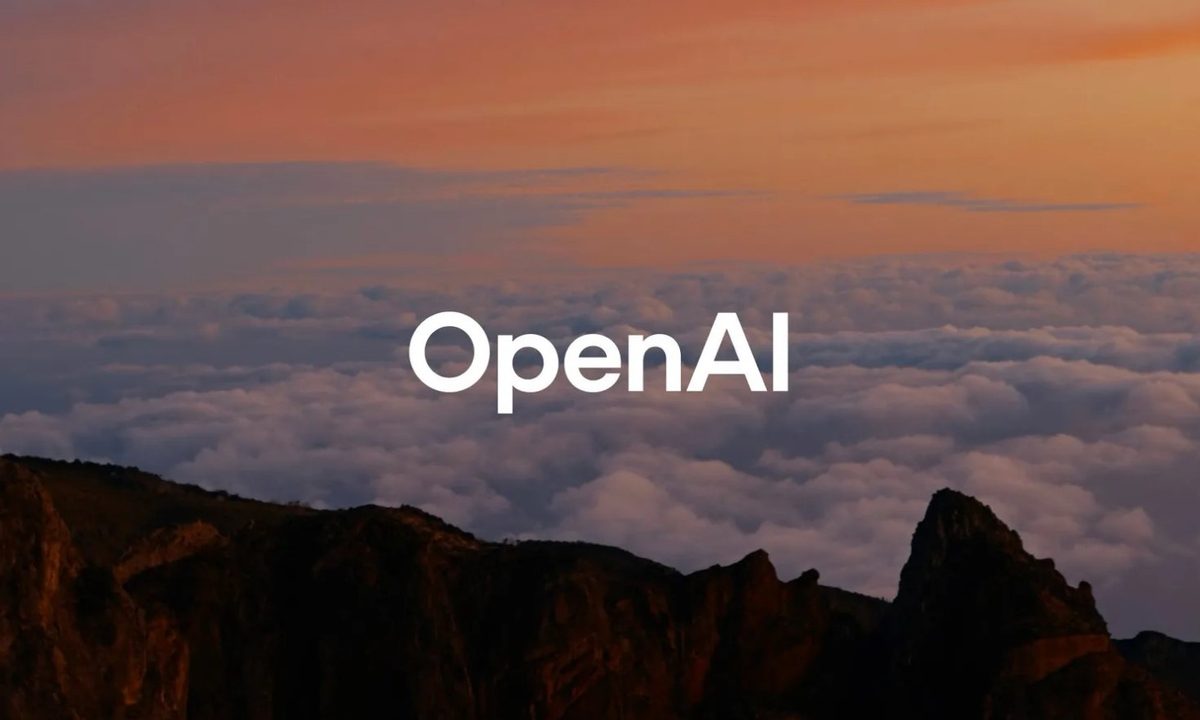
OpenAI has unveiled a rebrand that brings changes to its logo, typeface, and color palette. It is the company’s first rebrand since it became notable in 2022 with the popularity of its ChatGPT chatbot.
OpenAI, Head of Design Veit Moeller, and Design Director Shannon Jager spoke with Wallpaper about the rebrand changes noting that the company aimed to create a “more organic and more human” image visual identity. This included collaborating with outside partners to develop a new typeface, OpenAI Sans that is unique to the brand. It is a look that “blends geometric precision and functionality with a rounded, approachable character,” OpenAI said in its mission statement.
Thoughts on the "refreshed" @OpenAI brand & design language?
To me it just looks like they formalized what they already have been using, along with a new font… pic.twitter.com/uTyaGXR0pk
— Allen Djal (@allendjal) February 4, 2025
Additionally, the in-house design team made updates to OpenAI’s well-known blossom logo or ‘research icon.’ OpenAI CEO Sam Altman and co-founder Ilya Sutskever created the original OpenAI blossom logo. Moeller and Jager’s updated figure has a larger center space and sharper, more prominent edges.
When asked whether AI was used within the development of the rebranding process, Moeller told Wallpaper that ChatGPT assisted in calculating different type weights, otherwise, all of the designs were developed in a traditional fashion.
The rebrand will be visible on OpenAI.com, as well as on all forms of ChatGPT.
The rebrand comes during a time when OpenAI is in a state of flux, with heavy competition from the Chinese open-source AI brand DeepSeek, having recently confirmed a financial deal with Softbank, and legal troubles with Elon Musk. However, Moeller insists that plans for the change have been in the works for some time. “Sam [Altman] asked us to look at the identity just over a year ago,” he told the publication.
While the design team spoke about their hope for OpenAI’s products to assist human creativity, not replace it, Jager noted that the massive tech brand blossomed out of what was intended to be a limited release.
“ChatGPT was never meant to be a product. When it was initially released as a research experiment in 2022 it gained a million users in five days,” Jager said.