  1. Home
  2. Computing
  3. Emerging Tech
  4. News

OpenAI’s biggest research on human-ChatGPT talks will surprise you

Think a lot of people are secretly pouring their heart out to an AI chatbot? Nope.

Add as a preferred source on Google
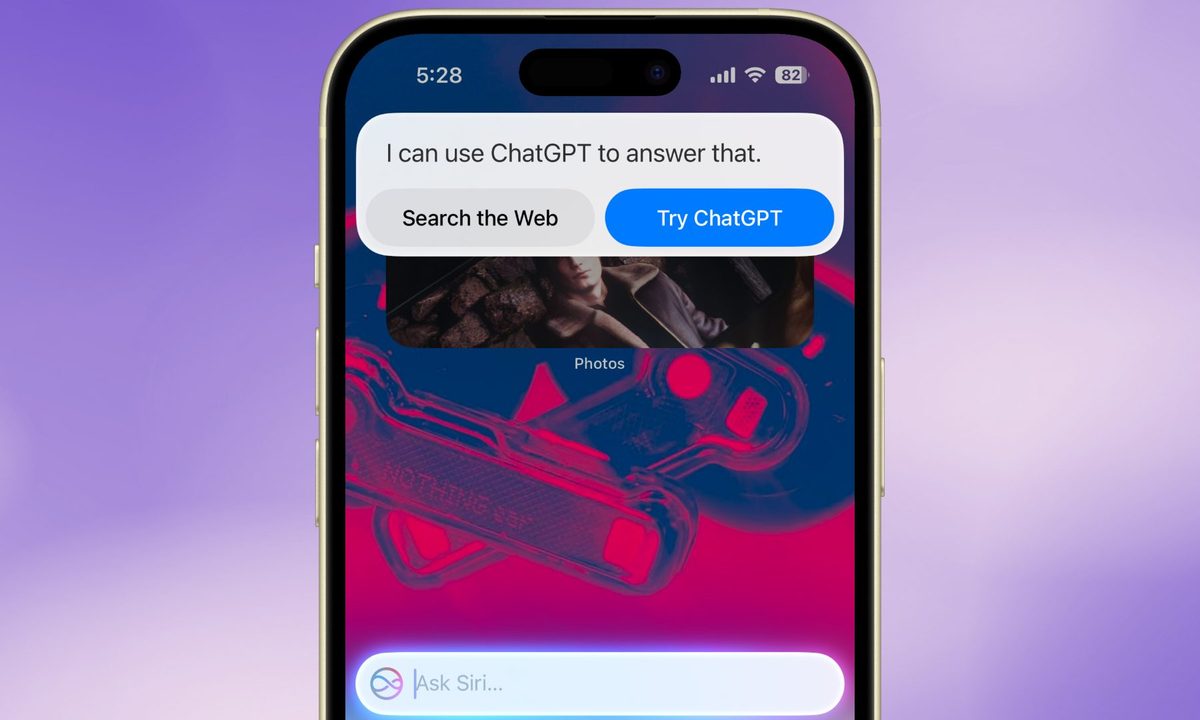
Siri offloading user query to ChatGPT.
Nadeem Sarwar / Digital Trends

OpenAI has released its biggest analysis to date about the usage habits of ChatGPT. In a research paper courtesy of the company’s Economic Research team and Harvard economist David Deming, the company analyzed 1.5 million ChatGPT conversations, and it’s now shedding light on some interesting stats about how interactions with the AI chatbot unfold. 

The who, why, and how much? 

  • As of July 2025, ChatGPT had over 700 million users exchanging 18 billion messages each week, or 2.5 billion messages per day. And it seems people are using ChatGPT for work-related assistance more than anything else. 
  • “Writing is by far the most common work use, accounting for 42% of work-related messages overall and more than half of all messages for users in management and business occupations,” says the research paper. 
  • Compared to the early launch days, the gender gap has reversed, and more than half of users now have a female name. Additionally, nearly half of all ChatGPT users are under 26 years of age. 
  • Practical guidance, writing, and seeking information are three of the biggest discussion areas with ChatGPT, accounting for 78% of all exchanges. In 49% of the messages, users were asking (of messages are users asking ChatGPT for guidance, advice, or information), while 40% accounted for doing (tasks connected into workflow), and

A few surprises 

  • In the tech circle, it’s often said that programmers are at risk of losing their jobs to AI, more so than any other profession. Yet, questions about computer programming and coding only account for 4.2% of the analyzed chats. 
  • Over the past few weeks, ChatGPT’s negative impact and a few deadly incidents have resulted in hot debates, prompting the company to build parental controls and warning systems for guardians. Yet, Relationships and Personal Reflection messages only accounted for 1.9% of the assessed conversations. 
  • In only 1% of the analyzed conversations, users were expressing themselves to the AI chatbot. That’s pretty surprising, considering reports of how users can get sucked into romantic conversations with ChatGPT, a pattern that is even more evident with AI personality bots available on platforms such as Nomi, CharacterAI, and Replika. 
Nadeem Sarwar
Nadeem is the Managing Editor at Digital Trends.
Google I/O 2026: What to expect from Gemini, Android 17, and more
Google is about to put AI into everything again
Google I/O 2026

Google is preparing to kick off its annual developer conference, Google I/O 2026, and this year’s event is shaping up to be heavily focused on artificial intelligence, Android 17, and the future of Google’s ecosystem. The conference begins on May 19 at the Shoreline Amphitheatre in Mountain View, California, with CEO Sundar Pichai expected to lead the keynote presentation. The event will be livestreamed globally through Google’s official I/O website and YouTube channels.

While Google I/O has traditionally focused on developers, this year’s announcements are expected to directly affect everyday users across Android phones, Search, Chrome, Workspace, and smart devices.

Read more
Microsoft is retiring the Together Mode in Teams in favor of something cleaner and simpler
Teams is retiring Together Mode for layouts people may actually use
Computer, Electronics, Laptop

Microsoft Teams is retiring one of its more recognizable meeting features, and it might be for the best. The company announced that Together Mode is going away in Teams as Microsoft is shooting towards a simpler set of meeting layouts.

To recall, Together Mode was introduced during the pandemic-era video call boom, placing participants inside shared virtual environments such as auditoriums or classrooms. It was a cute idea at the time, but it never became the everyday meeting view for most people.

Read more
Experts are worried that smarter AI gets, the dumber we might become
Experts say chatbots can help research, but leaning on them too hard risks outsourcing the work that builds intelligence
OpenAI CEO Sam Altman during the Uncapped podcast in June 2025.

AI can now answer questions so quickly that the search itself can feel optional. That convenience worries the Royal Observatory Greenwich, which has warned that instant AI answers can weaken the curiosity, scrutiny, and source-checking behind real knowledge.

The risk hides inside the usefulness. Chatbots can help people test ideas, move faster, and find new angles, but a finished response can also cut users off from the messy trail that makes learning stick. When that happens, information arrives without the struggle that turns it into judgment.

Read more