
The Pixelbook Go is one of the best products Google has ever made. It’s light. It’s fast. It’s premium in all the right ways. It’s the Chromebook that makes me actually want to use a Chromebook.
Some dubious rumors landed on Twitter a few weeks ago, hinting that a follow-up to either the original Pixelbook or Pixelbook Go was in the works — and possibly even slated for launch before the end of 2021.
And yet, another Google Pixel event has come and gone without the faintest whisper of a Pixelbook update. That’s a shame.
What a Pixelbook sequel needs to be
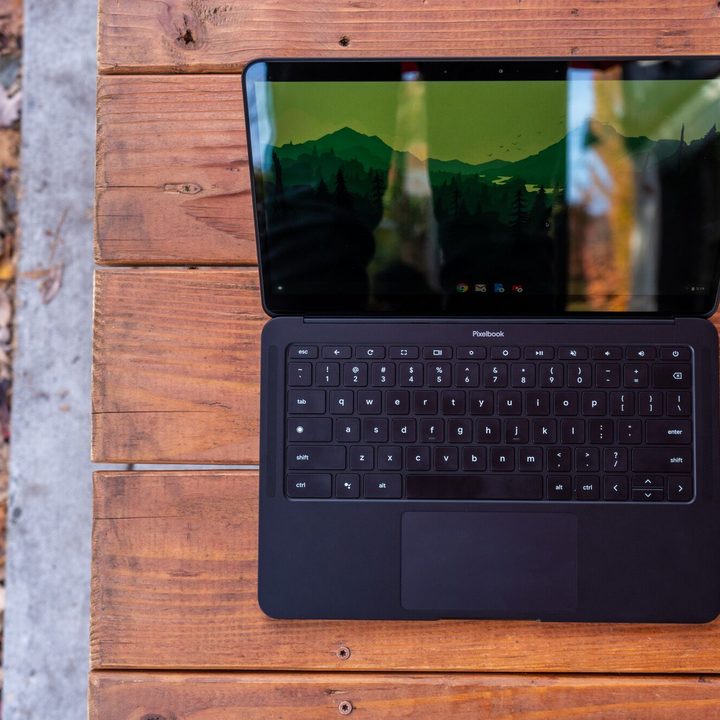
With the surge in popularity of Chromebooks in the past year, now would have been a fantastic time to bring out another Pixelbook, whether it be a Pixelbook 2, Pixelbook Go 2, or an entirely new device. Google’s lack of presence in the Chromebook space for the past couple of years has been felt. And it becomes increasingly difficult to recommend a laptop with a three-year processor.
That’s especially true when you see the fantastic performance offered by the latest Intel, AMD, and Qualcomm chips. Now would have been a great time for some fanless 11th-gen Tiger Lake Chromebooks powered by Intel. If you believe the rumors, a proprietary Tensor chip made for desktop could be in the works. To be fair, Google could be waiting to release a new Pixelbook timed with the release of that new chip.
But it’s been over two years since the last Pixelbook, with the Pixelbook Go originally launching in 2019. It was the follow-up to the original Pixelbook, which was announced and released two years earlier. In between the two came the ill-fated Pixel Slate, which was quickly discontinued later that year. Google has never updated any of these products with new processor options, tweaked the design, or added features. They’re one and done.
That’s not a good way to support your hardware. Google likes to make the case that Chromebooks don’t require the yearly spec bump that other laptops might require. Fine, maybe there’s some truth to that. Chromebooks don’t require nearly as much upkeep as Windows laptops, and the small bumps in speed each year may not translate all that much to browser-focused work.
https://twitter.com/AppleLe257/status/1441247521691500562
But not having a new Pixelbook in 2021 also means missing out on making a big deal about the handwriting app Cursive or Phone Hub. Google has never been interested in building walled gardens — and for that, I’m happy. Still, a flagship Pixel laptop could really help spotlight the latest updates to Chrome OS that improve the experience.
The Pixelbook Go has also started to grow long in the tooth in its design. The 16:9 1080p screen leaves you wanting more, as do the extra-chunky bezels at the top and bottom of the screen. The device could use a better webcam as well, which is something many 2021 laptops are finally improving.
As important as those changes would be, it’s the Pixelbook brand itself that’s really been missing in action as of late.
The Pixel brand

People forget, but it was a Chromebook, not a smartphone, that launched the Pixel brand. The original Chromebook Pixel came out in 2013, a $1,000 laptop that seemed ridiculously expensive compared to the popular $200 Chromebooks of the time. But it kicked off the Pixel brand, with the hope of transforming Chromebooks into something beyond their modest beginnings.
While the first-party Pixel laptops served as decent design examples of where the company wants to direct third-party manufacturers, the one-off nature of them is a problem. That was something the Pixel brand was supposed to correct. These weren’t supposed to be like the Nexus devices that came before — these were meant to be viable products for people to buy and use.
Google has accomplished that on the smartphone side of things, and continues to build that business up. The world of Chromebooks has been left rudderless without a true flagship, and for the near future, that’s not going to change.


