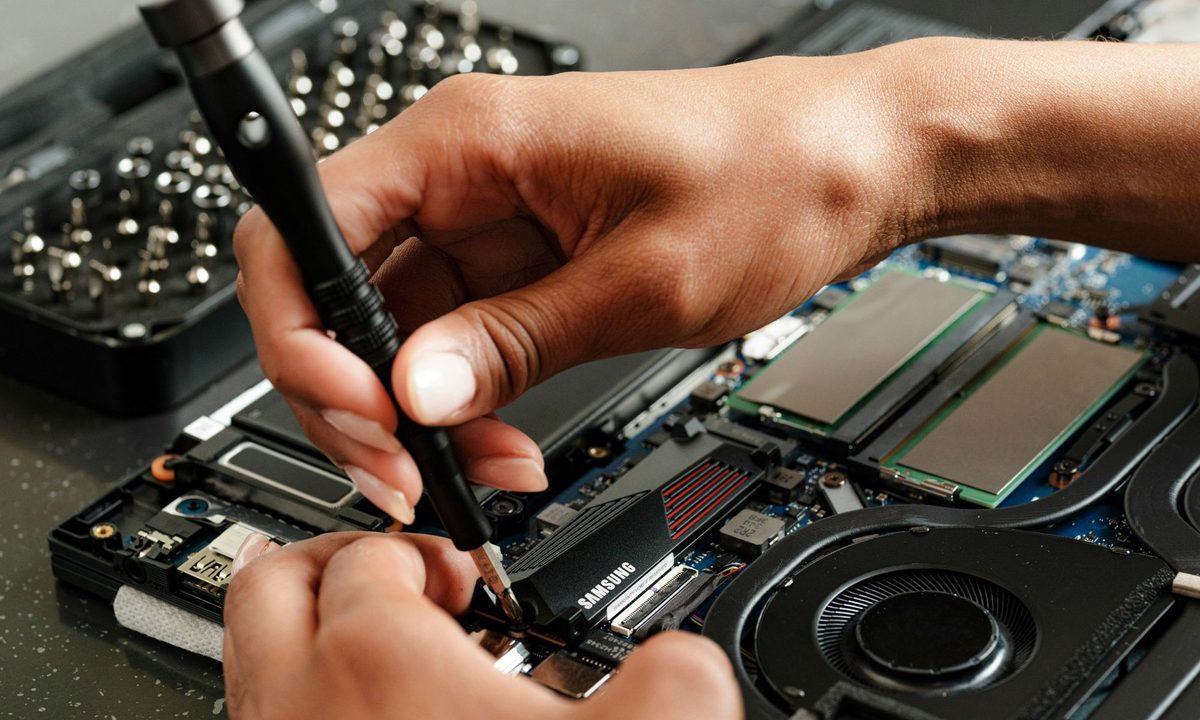
The least sexy part of modern gadget design might also be the most revealing: the battery you’re not supposed to replace.
I understand the official story. Sealed phones look cleaner, feel slimmer, and can survive the kind of splash that ruins your week. Adhesives help make that possible, which is the respectable version of the argument. Nobody wants a flagship phone with the structural elegance of a TV remote from 2006.
Still, it’s awfully convenient that the part most likely to wear out is also the part most people are discouraged from touching. The EU is already moving toward rules that make portable batteries easier to remove and replace, with key requirements set to apply from February 2027. Surely our inability to replace a dying battery isn’t also good for the company selling the next phone. Even cartoon villains try to be less obvious.
That’s where the repair argument stops sounding like recycling and starts sounding like dignity.
Why does a dead battery need permission
Right to repair is usually sold as an environmental argument, and that’s fair enough. If a battery swap keeps a phone or laptop alive for another couple of years, nobody needs to pretend that’s a bad outcome. The green case is fine. It’s also too polite.
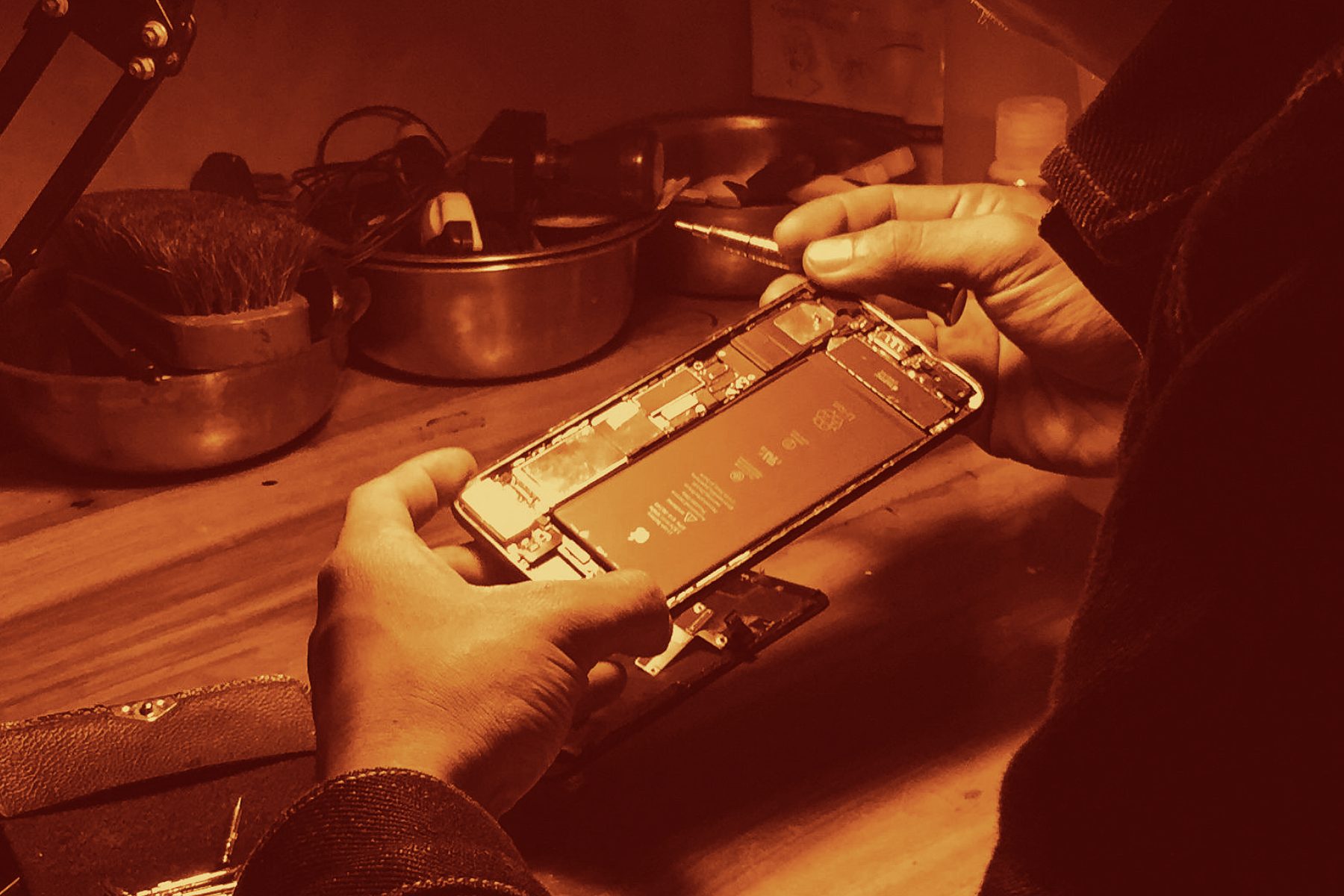
A dead battery shouldn’t need a legislature, a special tool, and a corporate blessing. Several states have passed repair laws requiring manufacturers to make the basic materials needed to fix their products available, including New York, Minnesota, California, Oregon, and Colorado. Those protections reached 25.75% of Americans as new laws took effect on January 1, 2026. Washington also added protections for devices ranging from personal electronics to wheelchairs after Gov. Bob Ferguson signed two repair bills in 2025.
That’s progress, but it’s also a little embarrassing. A product shouldn’t need a state government standing behind it before its owner can get a manual or a fair shot at repair.
What happens when the device is not just a phone
This gets uglier outside phones and laptops. A sealed phone is annoying. A locked-down tractor or wheelchair can become a trap with financing.
John Deere agreed in 2026 to pay $99 million into a settlement fund and make digital repair tools available to farmers for 10 years as part of a right-to-repair settlement covering large agricultural equipment. Deere didn’t suddenly become the patron saint of screwdrivers, but the case shows how far this logic stretches. When software and diagnostics sit behind company-controlled gates, the person who bought the machine is still outside holding the receipt.
Wheelchairs make the ownership problem harder to shrug off. Oregon’s wheelchair repair law took effect on January 1, 2026, and it requires manufacturers to provide what wheelchair users and independent shops need to get repairs done. Nobody is doing weekend cosplay as a wheelchair technician because they got bored. Sometimes repair access is the difference between independence and waiting for permission.
When does ownership start acting like ownership
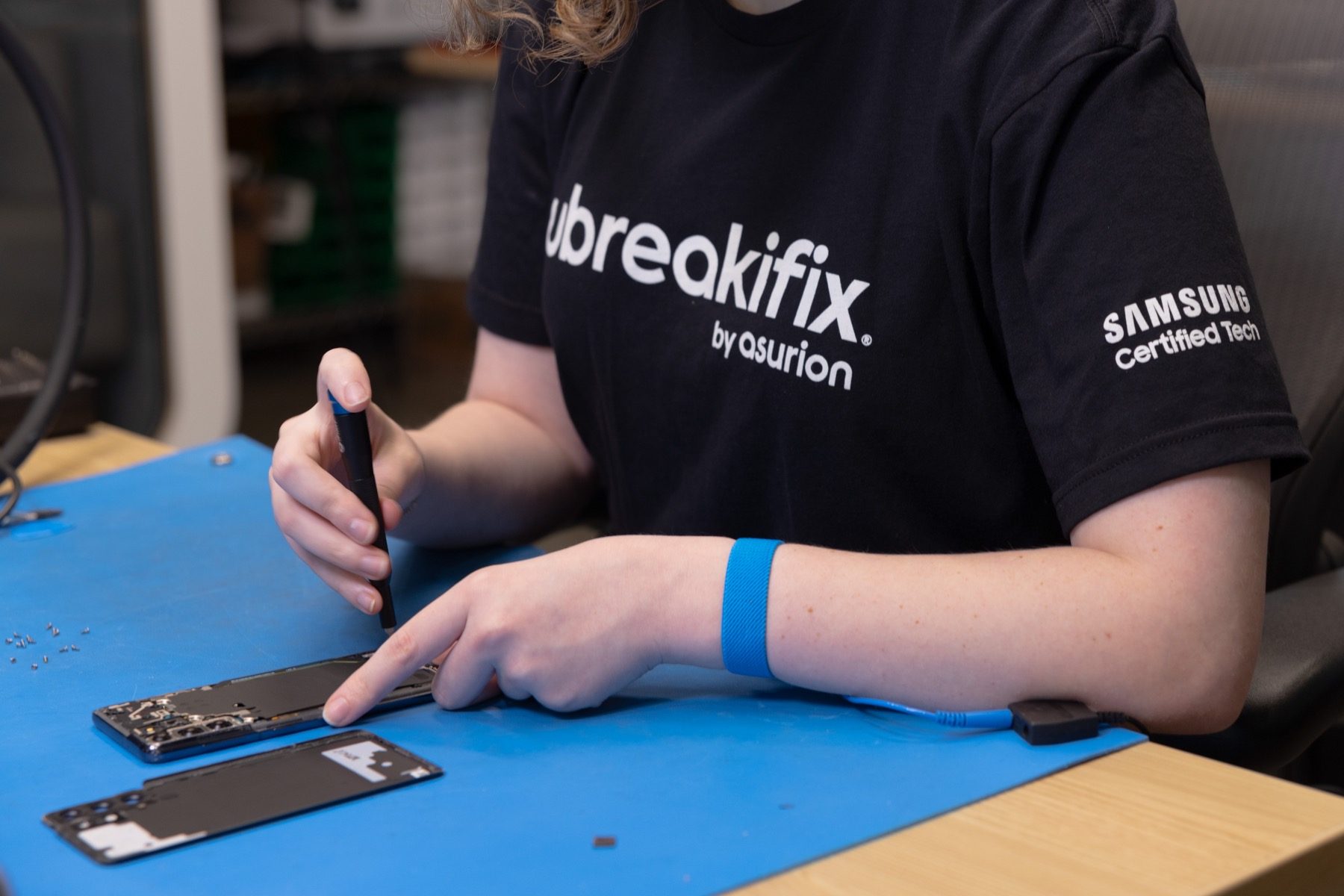
Some companies already understand the difference between repair access and customer lock-in. Framework sells laptops built to be opened, repaired, upgraded, and kept around longer instead of treating repair like a weird internet demand from people who own precision screwdrivers. You can argue about whether that model works for everyone, but at least the premise is honest: people should be able to keep using the thing they bought.
The point isn’t that every gadget must become a chunky beige box with a battery door. The point is that convenience shouldn’t become a permanent excuse for dependency.
Often, the broken device is still perfectly real, sitting there with one failed part and a locked door between you and the fix. What changed is that the company kept the one little piece of permission that turns ownership into waiting.
Saving gadgets from the landfill is nice. Being allowed to fix your own stuff is the dignity underneath it.