  1. Home
  2. Phones
  3. News

Pixel outperforms iPhone and Galaxy on repairability

The latest 2026 scorecard shows Google ahead, with Apple and Samsung trailing under stricter EU-based grading.

Add as a preferred source on Google
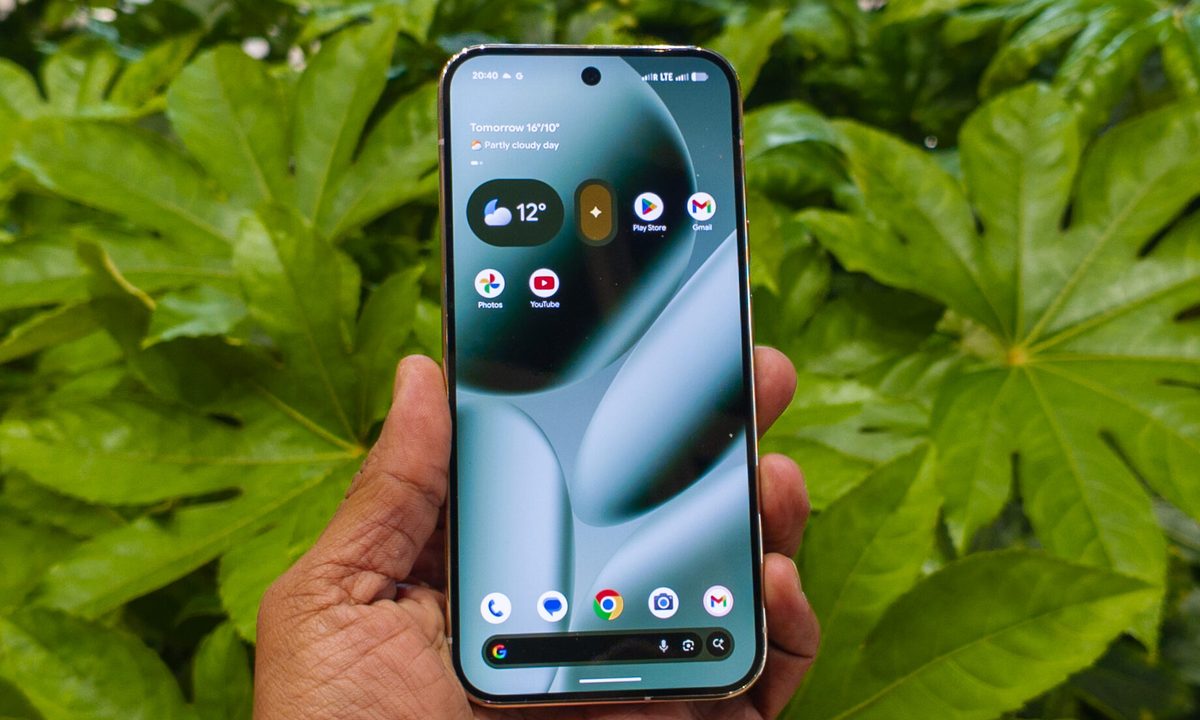
The screen on the Google Pixel 10 Pro XL in Jade
Digital Trends

Google’s Pixel phones now rank ahead of both iPhone and Galaxy devices on repairability, based on a 2026 scorecard that reshapes how smartphone durability gets measured. The update leans on stricter European grading that focuses on what happens during an actual fix, not just whether parts exist.

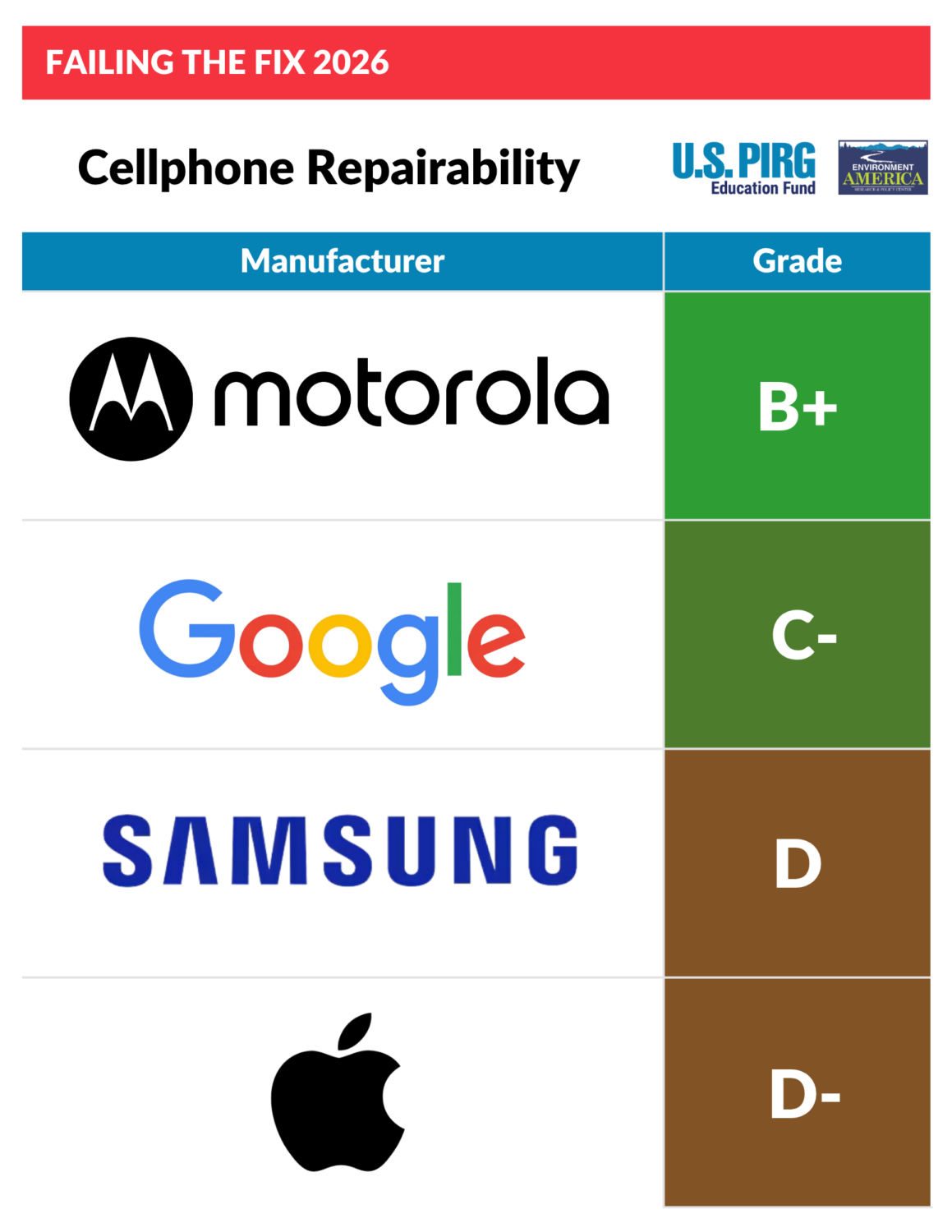
Motorola leads with a B+, followed by Google at C-, while Samsung drops to a D and Apple lands at a D-. The spread comes down to how many steps it takes to reach key components and how complicated common repairs have become.

Recommended Videos

This shift ties directly to ownership costs. A phone that’s harder to open or service tends to cost more to keep running, especially once software support and spare parts availability enter the equation.

The new scores change everything

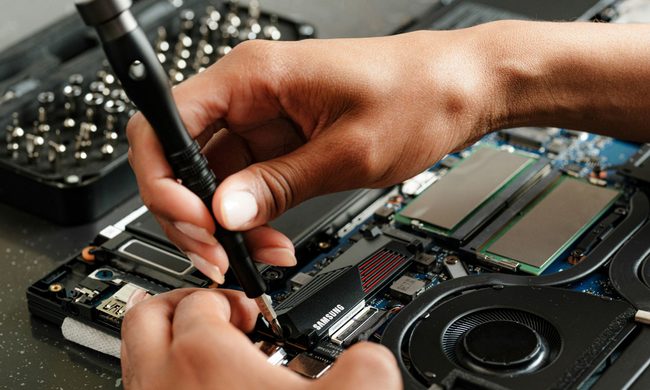
The updated system from the European Union puts hands-on repair factors at the center. It looks at disassembly effort, battery access, tool requirements, and whether parts and manuals are realistically available to users and repair shops.

Earlier scoring methods didn’t weigh teardown difficulty heavily enough, which allowed some devices to appear more repair-friendly than they felt in practice. The revised approach corrects that gap and exposes designs that rely on extra steps or tighter assembly.
The report spans more than 100 devices and now includes software support timelines, which set a practical limit on how long a phone can stay secure and usable.

Why Pixel pulls ahead

Google’s placement reflects fewer barriers during repairs. Phones that open with less effort, rely on standard tools, and provide clearer access to parts tend to score higher, and Pixel models fit that pattern.

Apple and Samsung lose ground where repairs become layered or restricted. More steps to reach components and tighter control over servicing workflows can increase both time and cost for common fixes.

Software still complicates repairs across the board. Limits tied to parts pairing and compatibility can block certain fixes even when hardware replacement is possible, which continues to affect multiple brands.

What this means next

Repairability is starting to carry real weight in how phones are evaluated, especially as clearer grading systems reach more markets.

The report also points to a gap in the US, where no equivalent labeling system exists. Buyers don’t get the same visibility into teardown difficulty or long-term support, even as repair costs rise and electronic waste grows.

Momentum around Right to Repair laws is building, with new rules targeting software locks and parts access already taking shape in some states. Until broader standards arrive, repair scores remain one of the clearest signals for how long a device is likely to last.

Paulo Vargas
Paulo Vargas is an English major turned reporter turned technical writer, with a career that has always circled back to…
Right to repair isn’t a hobbyist crusade. It’s a fight over ownership
A dying battery should not turn a paid-off device into company property again.
Repairing computers

The least sexy part of modern gadget design might also be the most revealing: the battery you’re not supposed to replace.

I understand the official story. Sealed phones look cleaner, feel slimmer, and can survive the kind of splash that ruins your week. Adhesives help make that possible, which is the respectable version of the argument. Nobody wants a flagship phone with the structural elegance of a TV remote from 2006.

Read more
The post-warranty graveyard is filling up with working gadgets
The hardware still works. The problem is that companies increasingly decide when the software stops letting it matter.
Samsung galaxy S24 Ultra display.

I reluctantly upgraded from my Pixel 4a in late 2024, which means I spent four years clinging to a phone that still felt like a phone. Part of that was the size. The Pixel 4a was small enough to use without performing thumb yoga, a disappearing luxury now that flagships have settled into pocket-tablet territory. That’s an argument for another day.

The uglier issue is what happened after I moved on. In January 2025, Google pushed an automatic Android 13 update to Pixel 4a phones. Google’s own support page says the update reduced available battery capacity and affected charging performance on some impacted devices. Reddit users were less polite. One r/Pixel4a post said the battery suddenly had “around 40% of its former capacity” after the patch.

Read more
Samsung could skip a charging upgrade on the upcoming Galaxy Z Flip 8, yet again
The Galaxy Z Flip 8 might fold in half before it charges faster
Gallery on cover screen of Samsung Galaxy Z Flip 7.

Samsung’s next clamshell foldable may arrive with a familiar frustration. New reports suggest the upcoming Galaxy Z Flip 8 could retain the same 25W wired charging speed as its predecessor, extending a trend that has now lasted several generations.

According to recent leaks, Samsung is expected to keep both the charging speed and battery capacity largely unchanged on the Galaxy Z Flip 8. If the reports prove accurate, the device will continue to use a 4,300mAh battery paired with 25W wired charging - specifications that have become increasingly difficult to justify as rivals push far beyond them.

Read more