1. Home
  2. Computing
  3. News

SSDs are getting more expensive, but don’t panic yet

Add as a preferred source on Google
An SSD installed in a PC motherboard.
Jacob Roach / Digital Trends

SSDs are getting more expensive, and we’re just getting started. The prices of NAND chips that are used in SSDs are expected to jump by 50% over the coming months, according to TrendForce, which will translate into higher prices for storage. Even at the start of 2024, we’re already seeing some of those price increases in effect.

I took a look at the pricing history of a smattering of popular SSDs on Amazon, and I universally found that prices are up. The WD Black SN850X is $85 for a 1TB capacity, up from its lowest point of $60, which it hit multiple times last year. Samsung's 980 Pro in a 500GB capacity is $80, while it hovered around $60 for the latter half of last year and bottomed out at only $50.

Recommended Videos

As we reported on last year, Samsung put into place a 20% increase on the price of NAND flash chips per quarter, starting in 2024. TrendForce says that NAND suppliers are restricting production in order to stabilize prices, with the eventual goal of raising prices once the remaining inventory has stabilized. We can see some of that in effect now, as SSDs like the Samsung 990 Pro are out of stock on Amazon, and other high-capacity SSDs are showing long lead times.

Before shaking your first at greed, though, it’s important to establish some context. The prices of SSDs dropped continually over last year, mostly driven by consistent price drops on NAND flash. The turnaround in pricing is to ensure NAND suppliers like Samsung, SK Group, and Western Digital can turn a profit. Even with the first wave of price increases, SSD prices are still far lower than they were a couple of years ago.

Still, if you’re planning on picking up a new SSD for your PC, it’s a good idea to get one soon. We’re already seeing an upward trend in prices, and multiple sources over the past few months indicate major NAND flash manufacturers are going to continue to push prices up. They may never climb to the heights we saw at the end of 2022, but it’s still best to pick up an SSD sooner than later.

Jacob Roach
Former Lead Reporter, PC Hardware
Jacob Roach is the lead reporter for PC hardware at Digital Trends. In addition to covering the latest PC components, from…
Apple made Liquid Glass adjustable, which says plenty about Liquid Glass
The new slider is useful, welcome, and mildly hilarious after a year of Apple acting like transparent everything was the obvious future.
Text, Document, Business Card

Apple’s big glassy software future now comes with a way to make it less glassy. In iOS 27, users can adjust the translucency of the Liquid Glass effect, while macOS Golden Gate adds its own Liquid Glass controls under System Settings.

Liquid Glass is still alive across Apple’s platforms, still shimmering through menus and panels, still doing the elegant UI trick Apple clearly likes. The big visual bet has already earned a dimmer switch. After a year of treating translucency like the obvious next step, WWDC’s most revealing design update may be the one that lets people dial it back.

Read more
Windows 11 just fixed one of Search’s dumbest limitations, and you’ll wonder how you lived without it
One less character, one less annoyance every time you search your PC.
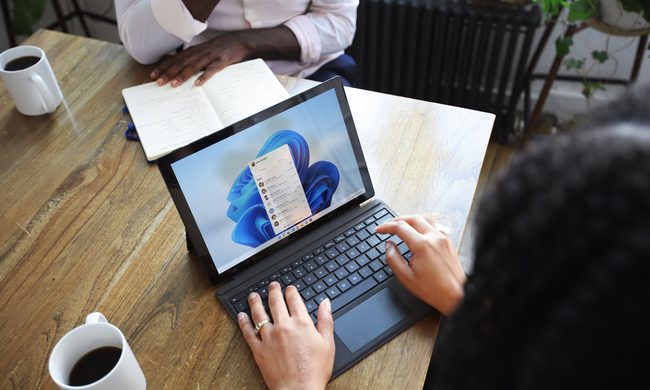
Person sitting and using a Windows Surface computer with Windows 11.

If you have ever typed two letters into the Windows 11 search box, paused, and watched nothing useful happen until you added more characters, you already know exactly why this Windows 11 update matters. 

Microsoft's June 2026 Patch Tuesday update, part of a release Windows Latest calls the biggest of the year (via Windows Latest), quietly fixes that. Windows Search can now find and prioritize files with as few as two characters, down from the old three-character minimum.

Read more
Brazil’s secret World Cup weapon taught the team when to ignore it
The data said he wasn't running enough. The footage said he was always in the “perfect tactical position.”
Soccer ball in net

Brazil has more World Cup titles than anyone, five of them to be precise, but after going through five straight tournaments without adding to that count, the team is leaning hard on data this time. 

Every player wears a sensor-packed "smart vest" tracking field position (via GPS), heart rate, and a stat called "player load," the same kind of numbers that your Whoop band or Apple Watch brags about, but tuned specifically for the sport.

Read more