  1. Home
  2. Computing
  3. News

The Steam Deck’s docking station faces another setback

Add as a preferred source on Google

Valve’s slow rollout of the Steam Deck has been part of its release strategy all along, but the delay of its docking station peripheral was a bit more unexpected.

The long-awaited Steam Deck docking station had already been delayed for most of 2022 — and now, Valve has confirmed yet another setback in its release for an uncertain amount of time.
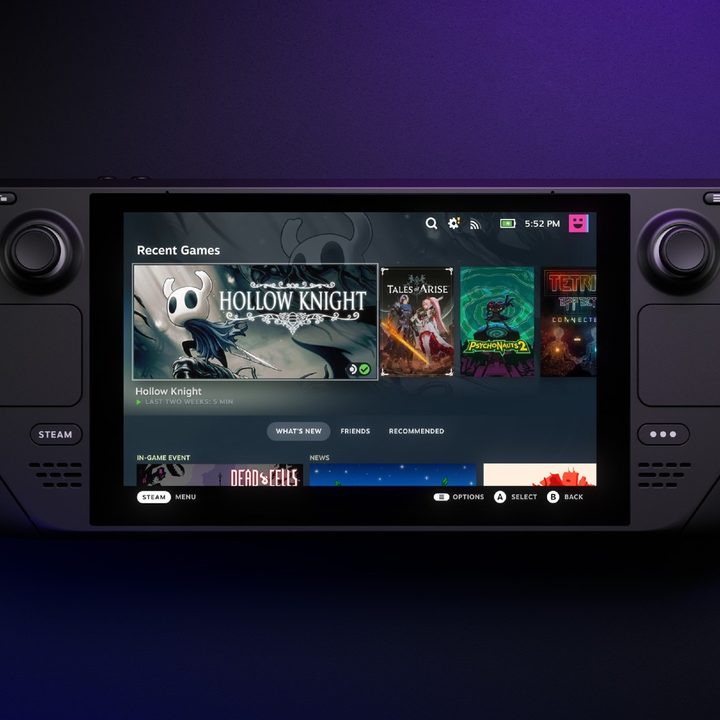
Steam Deck
Image used with permission by copyright holder

Valve detailed in a blog post on Wednesday that the accessory to its Steam Deck hand-held gaming system has once again been delayed for release due to “parts shortages and COVID closures at our manufacturing facilities.”

Recommended Videos

The docking station was originally set to release in February as a main accessory for the Steam Deck. The dock is designed to act as a hands-free stand and connector system to TVs, external displays, and other peripherals. It also allows for charging of the Steam Deck, adding some much-needed extra battery life to the power-hungry handheld.

Valve used the first delay period to upgrade the Steam Deck docking station around April, with USB 3.1 ports for improved transfer speeds, as noted by Gizmodo

So far, the company has still not been able to give concrete details on exactly when the docking accessory might release to consumers — just one of the downsides to how the Steam Deck launched.
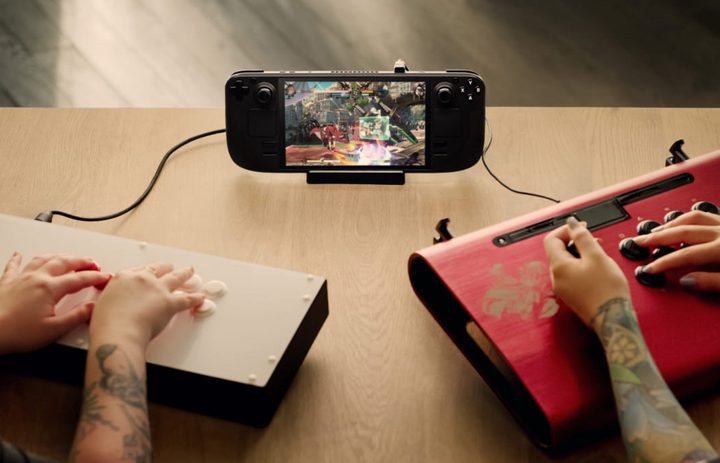
The Steam Deck connected to controllers.
Image used with permission by copyright holder

“We’re working on improving the situation and will share more info when we have it. This has no effect on production schedule and reservation windows for Steam Decks (different parts, different factories),” Valve said in its blog.

For those still waiting to receive their Steam Decks, that, at least, is good news.

In the meanwhile, users have other charging and accessory options, such as battery packs, to keep their Steam Decks topped up with power. Fortunately, the docking station isn’t a necessary feature for gameplay, including all the best Steam Deck games you can play.

The Steam Deck is expected to update later this year with Valve set to make 256GB and 512GB models available during the third quarter, approximately around the October time frame. Whether the docking station will also be available by that time is anyone’s guess.

Fionna Agomuoh
Fionna Agomuoh is a Computing Writer at Digital Trends. She covers a range of topics in the computing space, including…
AMD’s Radeon RX 9070 GRE has strong 1440p claims, but $549 may be a hard sell
Radeon RX 9070 GRE goes global after China debut
AMD Radeon RX 9070 GRE front view

The Radeon RX 9070 GRE has now launched globally at Computex 2026. AMD first introduced the RDNA 4-based GPU in China in May 2025, so this is a wider rollout rather than a brand-new graphics card.

It will be available from board partners starting June 2, in reference and overclocked versions, with a suggested retail price of $549.

Read more
Windows 11 is finally addressing key annoyances with the universal Search system
Partial terms now surface compound file names anywhere they appear, not just at the start.
Windows 11 Laptop

If you have ever typed a file name into Windows Search but stopped midway because you only remembered part of it, Microsoft has something for you. 

In its latest Windows 11 Insider Preview build, Microsoft has added a focused but genuinely useful improvement to the way Windows Search finds your files. It is one of those fixes that makes me wonder why it took so long. 

Read more
It’s not just you. Research says people don’t like overtly friendly AI chatbots
AI saying “hope you’re having an amazing day!” Is apparently too much
AI Chatbots

For years, tech companies have tried making AI assistants sound warmer, friendlier, and more emotionally human. But new research suggests that approach may actually backfire more often than companies expect. A recent study highlighted by Tech Xplore found that people generally prefer AI chatbots whose personalities mirror their own communication style rather than assistants that act excessively cheerful or overly friendly all the time.

According to the findings by the Northeastern researchers challenge one of the biggest assumptions driving modern AI development is that making chatbots more emotionally expressive automatically improves user experience.

Read more