  1. Home
  2. Computing
  3. News

Windows 11 is finally addressing key annoyances with the universal Search system

Partial terms now surface compound file names anywhere they appear, not just at the start.

Add as a preferred source on Google
Windows 11 Laptop
Microsoft
Nvidia CEO showing the RTX 4060 Ti at Computex 2023.
This story is part of our coverage of Computex, the world's biggest computing conference.
Updated less than 13 minutes ago

If you have ever typed a file name into Windows Search but stopped midway because you only remembered part of it, Microsoft has something for you. 

In its latest Windows 11 Insider Preview build, Microsoft has added a focused but genuinely useful improvement to the way Windows Search finds your files. It is one of those fixes that makes me wonder why it took so long. 
What is Search by Substring and why does it matter?

Released on May 29 to both the Experimental and Beta channels, the new feature is called Search by Substring, and what it does is quite simple. 

Recommended Videos

Previously, looking for a file in Windows required you to enter the beginning of its name. So, typing “april” would not surface a file called MeetingNotesApril, simply because Windows was not looking inside more complex file names. 

Search by Substring changes that for good. Type “april” and Windows will now return files whose names contain that string anywhere, whether at the start, end, or middle. 

The same applies to content within files. Type “status” and a document called ProjectStatusReport becomes discoverable immediately.

Is this actually a big deal?

For anyone who stores files with descriptive compound names, people working in documents, project folders, or any kind of organized file system, yes, the new Search by Substring feature surely is a big deal. 

The old behavior forced you to remember exactly how a file started, which is not how human memory works, added comma before. This is a small fix with a a disproportionately large quality-of-life impact.

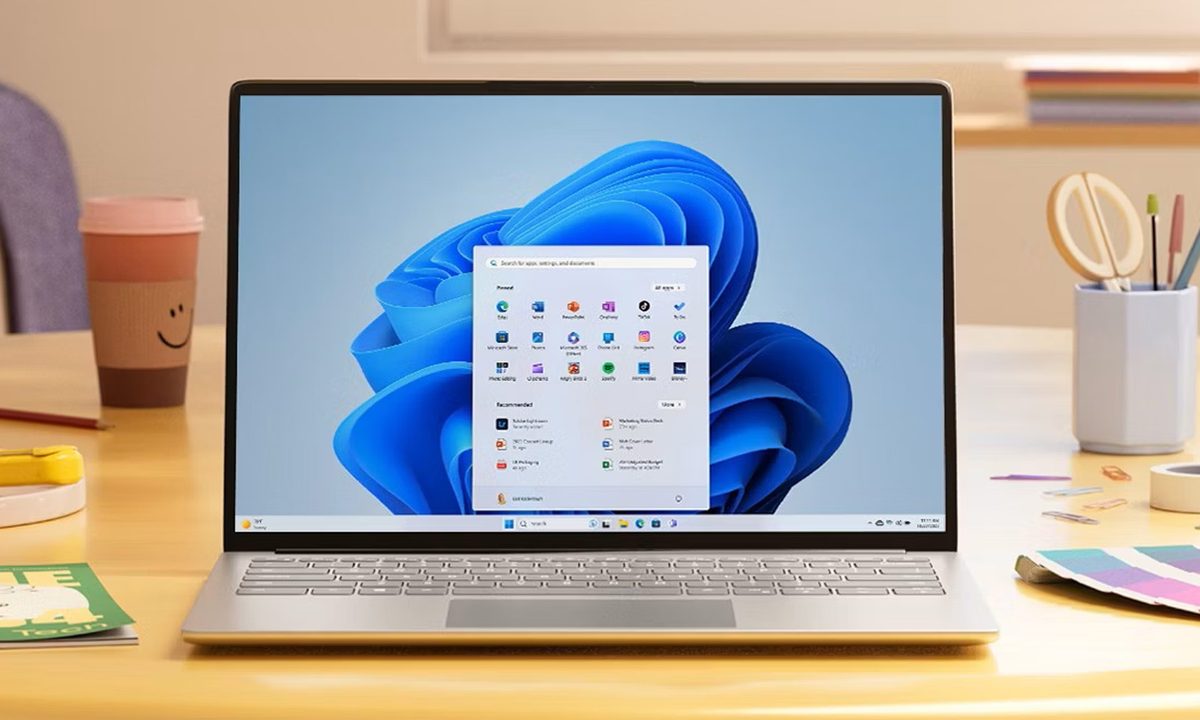
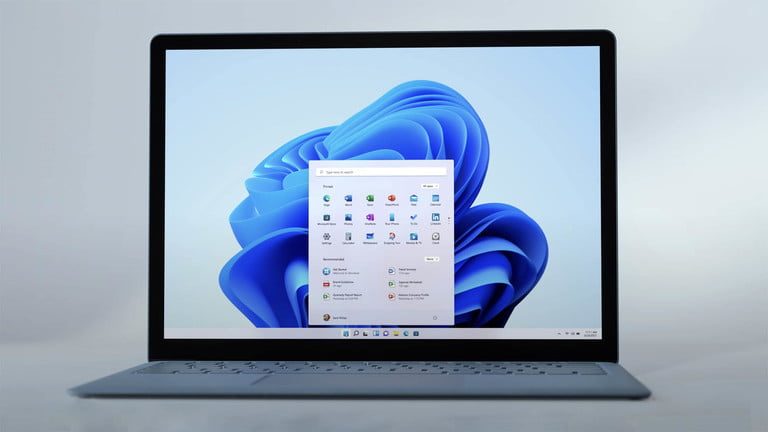
The Search by Substring improvement is available in the Experimental channel with Build 26300.8553 and in the Beta channel with Build 26220.8544. In the same build, Microsoft has added Start menu improvements including section-level toggles, a renamed Recommended section now called Recent, and size options for the Start menu itself.

Shikhar Mehrotra
For more than five years, Shikhar has consistently simplified developments in the field of consumer tech and presented them…
It’s not just you. Research says people don’t like overtly friendly AI chatbots
AI saying “hope you’re having an amazing day!” Is apparently too much
AI Chatbots

For years, tech companies have tried making AI assistants sound warmer, friendlier, and more emotionally human. But new research suggests that approach may actually backfire more often than companies expect. A recent study highlighted by Tech Xplore found that people generally prefer AI chatbots whose personalities mirror their own communication style rather than assistants that act excessively cheerful or overly friendly all the time.

According to the findings by the Northeastern researchers challenge one of the biggest assumptions driving modern AI development is that making chatbots more emotionally expressive automatically improves user experience.

Read more
Dell’s Alienware reveals world’s first 39-inch 5K OLED monitor with RGB screen tech
Alienware turns 30 and shows up to its own party with the most impressive gaming monitor we've seen in years.
Alienware 5K monitor

Alienware has released four new gaming monitors at Computex. The highlight of the show is the world's first 39-inch 5K OLED gaming monitor with RGB stripe technology, and if the specs are anything to go by, it might just be the most impressive display Alienware has ever made.

What's special about the new 39-inch OLED monitor?

Read more
AI is turning its attention to historical secrets and already decoding centuries-old papers
Historians finally found a robot willing to read 700-year-old handwriting
Representative Image

Artificial intelligence is no longer just writing emails, generating images, or powering chatbots. Researchers are now increasingly using AI to unlock historical secrets hidden inside centuries-old manuscripts, damaged letters, and handwritten archives that humans have struggled to understand for generations fully.

According to a recent report from the BBC, historians and computer scientists are combining machine learning with historical research to decode ancient documents ranging from medieval diplomatic letters to forgotten love notes and political conspiracies.

Read more