
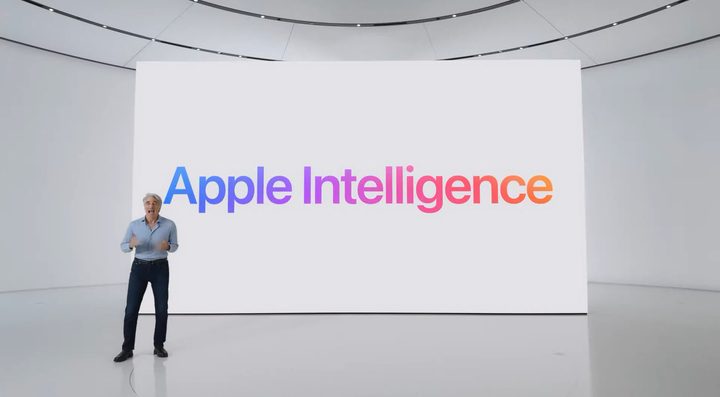

Apple has unveiled a significant overhaul of its macOS operating system at its Worldwide Developers Conference (WWDC). The move — long an expected topic for WWDC — infuses the Mac with artificial intelligence (AI) across multiple apps, tools, and systems, revamping almost the entire Mac experience in the process. Put together, it has the potential to transform the Mac into an AI PC of the highest order.
Dubbed Apple Intelligence, the new system works across a host of apps — including third-party ones — to take them up a level. For example, Apple unveiled tools that can summarize or rewrite text in apps, such as rephrasing an email response for a new context. Apple also showcased some generative AI capabilities similar to those found in rival products like like Midjourney. Apple’s spin, though, is that its system has more contextual knowledge. You can ask it to create an image of a friend for their birthday and it will take a photo of them that you have tagged and redesign it in one of several styles. In this case, Apple Intelligence knows who your friend is without you needing to specify a photo first.
Another way Apple has attempted to separate the Mac’s AI capabilities from the company’s rivals is through its commitment to privacy. Apple says the cornerstone of its AI work is on-device processing, meaning your private information will not leave your device unless your task requires more intensive processing power. In cases like that, Apple Intelligence will use Apple’s own cloud servers, where your data is not viewable by Apple and the only thing sent off your device is whatever is required for the task at hand. Apple is allowing outside experts to confirm that its servers protect your privacy, something no other AI competitor can boast.
While critics might claim that Apple didn’t announce anything truly outlandish (in the way ChatGPT turned the world upside down when it launched), that might be missing the point. The Mac’s advantage here is the way everything is woven deeply into your apps and data in a way that ChatGPT, Google Gemini and other products cannot do. Throw in the power of the latest M4 chips and the Mac could stake a claim to being one of the best consumer-facing AI PCs on the planet.
The AI rivalry
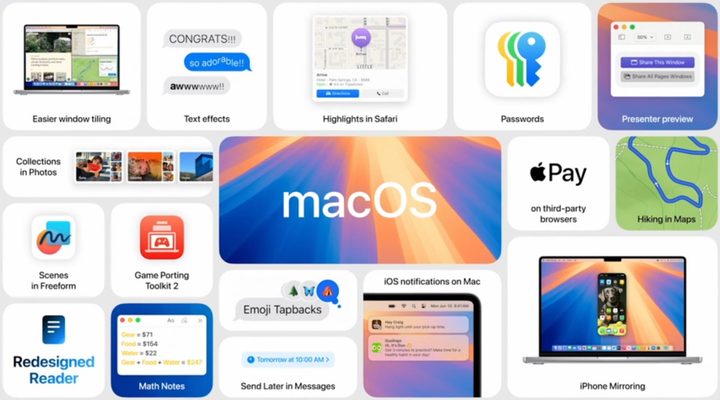
While much of Apple’s attention focused on iOS 18, a large number of the event’s biggest revelations have come to macOS 15, marking it as one of the most notable operating system updates in the Mac’s history. This may finally put to bed the idea that Apple is lagging behind in the world of AI. Apple fans no longer need to miss out if they want to use AI to speed up their day and save time on repetitive tasks, and Apple has seemingly fired back at critics who claimed it was ignoring the potential for AI to change the face of computing.
AI has been a huge topic over the past year or two, with companies like OpenAI and Google surging ahead with powerful features and apps. Yet, Apple has kept conspicuously quiet all this time, teasing upcoming AI additions here and there, but never announcing anything substantive.
Worse, Apple’s longtime rival Microsoft has embedded AI deeply into its Windows operating system, with the company’s Copilot tool finding its way into apps across the platform. Microsoft has even tried to lay claim to the “AI PC” concept by launching a range of computers bearing the Copilot+ PC moniker.
Now, though, Apple appears ready to challenge that claim by bringing a serious AI upgrade to the Mac, enabling it to enter the AI era after a lengthy wait. It’s a new chapter for Apple, and it will be intriguing to see whether it can compete against its more established rivals and seize the AI crown for itself.


