
GDDR7 memory is the next generation of graphics card memory that is already powering some of the best graphics cards available right now. While many still use some version of GDDR6 or GDDR6X memory, GDDR7 VRAM is faster still, and more energy efficient.
Here’s everything we know about GDDR7.
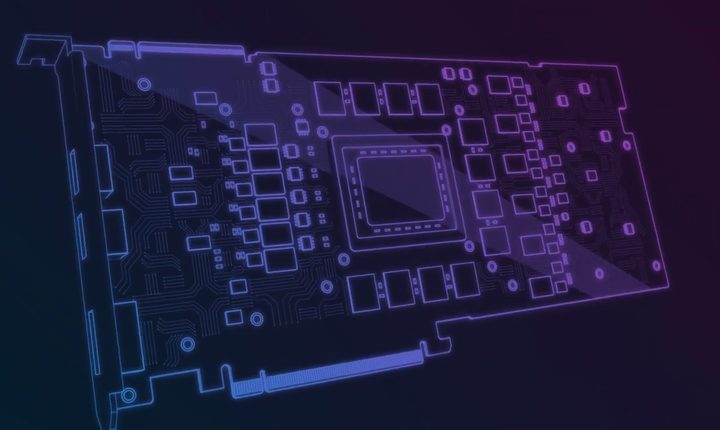
What is GDDR7?
GDDR7 is the latest generation of GPU RAM that most next-generation graphics cards will eventually utilize to enhance their available bandwidth and memory capacity. As modern games have begun to demand more from graphics cards, gamers need more GPU memory. We’re seeing even low-setting AAA games benefit from 12GB or more of VRAM, so any next-generation cards are likely to come with greater quantities throughout the product stack.
Performance is the big upgrade with GDDR7, with memory as fast as 36 Gbps. That’s more than 50% more bandwidth than GDDR6X and much more than GDDR6. (Manufacturer Micron detailed the production process, claiming that its GDDR7 VRAM used a deep ultraviolet lithography printing process, built on its latest 1-beta, or 1ß, process node.)
Energy efficiency is another key upgrade, with new read clock modes that allow the memory to be read in different fashions to maximize efficiency and reduce overall power consumption. When GDDR7 is available for gaming laptops, it will enable either greater battery life or, more likely, larger quantities of video memory to improve gaming performance.
Wondering if you need a VRAM upgrade? Here’s how to check how much VRAM your graphics card has.
GDDR7 vs. GDDR6 vs. GDDR6X
Before GDDR7, the fastest graphics memory available on modern graphics cards like the Nvidia RTX 4080 was GDDR6X memory, running at 22.4 Gbps. AMD’s RX 7000 graphics cards only use GDDR6 memory, with a maximum performance of 20 Gbps.
In comparison, GDDR7 can potentially run at up to 36 Gbps. That’s a huge upgrade, potentially unlocking a huge increase in memory bandwidth. It’s hoped that this could alleviate some VRAM bandwidth issues of the last-generation midrange cards which have suffered from poor memory quantities and limited memory bus-widths. However, the added cost of GDDR7 may mean it remains an exclusively high-end graphics card feature for the first generation, at least.
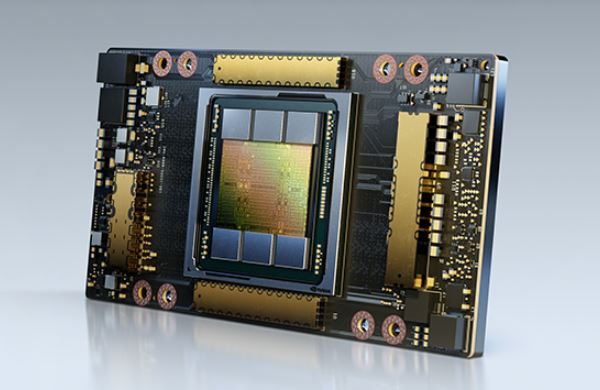
What GPUs feature GDDR7?
GDDR7 VRAM became available to manufacturers in early 2024. So far, AMD has not moved over to GDDR7. However, in January 2025 Nvidia released two GDDR7 GPUs, the RTX 5080 and the faster RTX 5090 cards.
AMD has yet to confirm when it will release cards with GDDR7 VRAM, preferring instead to stick with GDDR6. As it has also avoided using GDDR6X, holding back on upgrading its line seems to be a cost saving measure.


