1. Home
  2. Computing
  3. News

The Windows 11 24H2 update is causing even more problems

Add as a preferred source on Google
Windows 11 logo on a laptop.
Microsoft

The Windows 11 24H2 update had already been giving users a real headache with problems such as bugs for visual layouts and flaws for certain wallpaper apps. And now, as Microsoft confirms in a support document, some people without administrative privileges can’t change the time zone in the Date & Time view, among myriad other issues related to the important Windows 11 update.

A Feedback Hub post also reports a time issue after exiting Sleep Mode, specifically after about one out of every five overnight sleep cycles. There is also a report that the time is not syncing correctly following daylight saving time. Put differently, the update doesn’t break the time zone, but only affects the toggle or makes it very difficult to modify it.

Recommended Videos

Switching gears a bit, the issues don’t end there since the Windows 11 24H2 update also brings audio bugs, such as USB audio issues that affect games. Windows Latest also spotted a bug that causes problems with sound, which rises to 100% when you use a USB digital audio converter (DAC) system.

Microsoft says this is not the result of any modifications to user policies, permissions, or Windows 11 settings. If you have admin privileges, you won’t experience the issue, but Microsoft provides a workaround if you don’t.

The software giant says you can change the time zone through the Date and Time section of the Windows Control Panel: “This can be accomplished by opening the start menu and typing ‘control panel,’ then selecting the top result. Once the Control Panel appears, you can use the search bar in the upper right of the window to enter ‘change the time zone.’ Select the top result. Or, the corresponding window can also be opened directly from the Run dialog (press the Windows key and R on your keyboard) using the command ‘timedate.cpl.'”

Microsoft confirms it is actively investigating the problems and will provide users with a resolution in the following Windows update.

Judy Sanhz
Computing Writer
Judy Sanhz is a Digital Trends computing writer covering all computing news. Loves all operating systems and devices.
Apple made Liquid Glass adjustable, which says plenty about Liquid Glass
The new slider is useful, welcome, and mildly hilarious after a year of Apple acting like transparent everything was the obvious future.
Text, Document, Business Card

Apple’s big glassy software future now comes with a way to make it less glassy. In iOS 27, users can adjust the translucency of the Liquid Glass effect, while macOS Golden Gate adds its own Liquid Glass controls under System Settings.

Liquid Glass is still alive across Apple’s platforms, still shimmering through menus and panels, still doing the elegant UI trick Apple clearly likes. The big visual bet has already earned a dimmer switch. After a year of treating translucency like the obvious next step, WWDC’s most revealing design update may be the one that lets people dial it back.

Read more
Windows 11 just fixed one of Search’s dumbest limitations, and you’ll wonder how you lived without it
One less character, one less annoyance every time you search your PC.
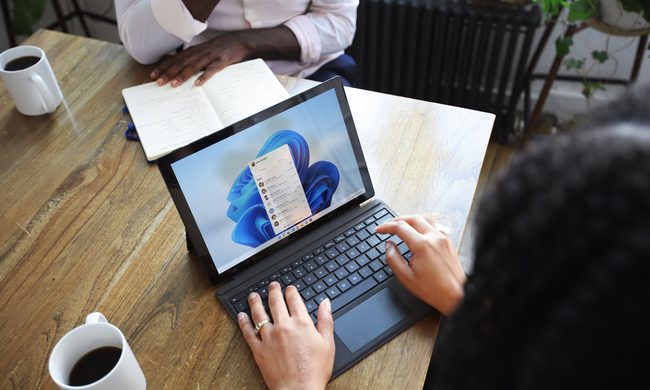
Person sitting and using a Windows Surface computer with Windows 11.

If you have ever typed two letters into the Windows 11 search box, paused, and watched nothing useful happen until you added more characters, you already know exactly why this Windows 11 update matters. 

Microsoft's June 2026 Patch Tuesday update, part of a release Windows Latest calls the biggest of the year (via Windows Latest), quietly fixes that. Windows Search can now find and prioritize files with as few as two characters, down from the old three-character minimum.

Read more
Brazil’s secret World Cup weapon taught the team when to ignore it
The data said he wasn't running enough. The footage said he was always in the “perfect tactical position.”
Soccer ball in net

Brazil has more World Cup titles than anyone, five of them to be precise, but after going through five straight tournaments without adding to that count, the team is leaning hard on data this time. 

Every player wears a sensor-packed "smart vest" tracking field position (via GPS), heart rate, and a stat called "player load," the same kind of numbers that your Whoop band or Apple Watch brags about, but tuned specifically for the sport.

Read more