  1. Home
  2. Computing
  3. News

Windows 11 is adding feature flags, and I’m cautiously optimistic

Windows 11 finally lets you skip the waiting game

Add as a preferred source on Google
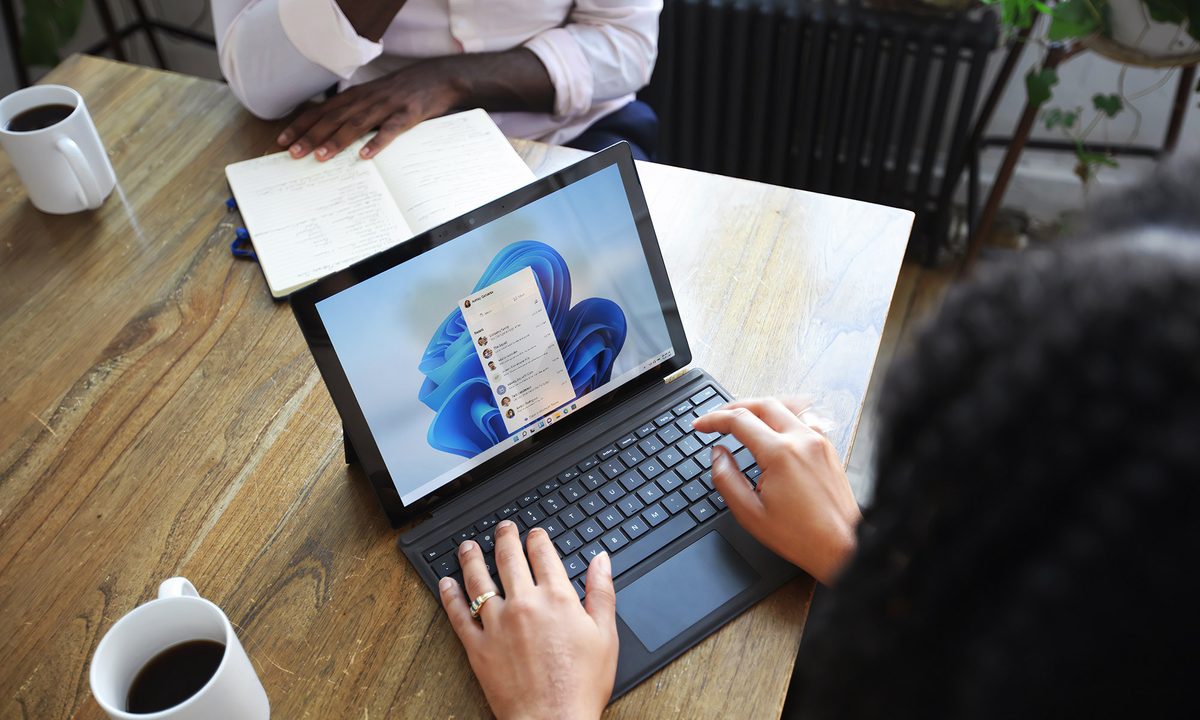
Person sitting and using a Windows Surface computer with Windows 11.
Windows 11 / Microsoft

Microsoft has confirmed that Windows 11 is getting a new “Feature Flags” system, giving users more control over experimental features in the operating system. The upcoming addition, spotted in recent Insider builds, introduces a dedicated settings page where users can manually enable or disable features – similar to how flags work in Google Chrome.

Microsoft is FINALLY adding a “Feature Flags” page to Windows Insider settings that will let you manually toggle new features on or off without needing to use vivetool or suffering through CFR! (Hidden bits in 26300.8155, not enabled yet) pic.twitter.com/YiP4acx0Nu

— phantomofearth ☃️ (@phantomofearth) April 3, 2026

Until now, Windows 11 relied on a Controlled Feature Rollout (CFR) system, where updates were gradually released to a limited number of users in phases. This meant that even Windows Insiders – who sign up specifically to test new features – often had to wait or use third-party tools like ViVeTool to access them.

The new Feature Flags page aims to change that

It will allow users to browse a list of available and inactive features, toggle them on or off, and apply changes directly within system settings. Microsoft has acknowledged the feature and said it is exploring ways to make it easier for enthusiasts and testers to try out new capabilities earlier.

This shift is significant because it gives users more agency over how they experience Windows updates. Instead of being randomly selected for features through staggered rollouts, users – especially developers and power users – can choose what they want to test. However, Microsoft is also warning that enabling experimental features may impact system stability or performance, which explains why the company originally relied on controlled rollouts.

For everyday users, the impact may depend on how comfortable they are with tinkering

Those who enjoy testing new features early will likely benefit the most, as they no longer need to rely on unofficial tools or wait indefinitely for updates. On the other hand, casual users may prefer to avoid toggling experimental features altogether to maintain system reliability.

Looking ahead, the Feature Flags system is currently hidden within Windows Insider builds and has not yet been fully rolled out. Microsoft is expected to share more details soon, with broader availability likely in upcoming preview releases.

Recommended Videos

If widely implemented, this move could mark a notable shift in how Windows evolves – bringing it closer to the flexible, user-driven experimentation model seen in modern browsers.

Moinak Pal
Moinak Pal is has been working in the technology sector covering both consumer centric tech and automotive technology for the…
Google’s new desktop mode makes one thing clear: Samsung DeX was onto something
Android 16 finally brings a real desktop mode to Pixel phones, but Google’s long-awaited move mostly proves Samsung spent years getting the hard parts right
File, Webpage, Person

I’ve been waiting for Android to take desktop mode seriously for years. Back in 2019, I bought a OnePlus 7 Pro and wasted an embarrassing amount of time trying to brute-force its half-baked desktop mode into something useful.

The idea made perfect sense to me even then. Phones were already absurdly powerful, and the thought of carrying one real computer in my pocket felt less like science fiction and more like delayed common sense.

Read more
Anthropic launches Claude design to simplify visual creation with AI
Finally, AI that designs your slides so you don’t have to
Claude

Anthropic has introduced a new AI-powered design tool called Claude Design, aimed at helping users create visual content such as prototypes, presentations, and marketing assets through simple conversational inputs. The product, developed under Anthropic Labs, is currently available in research preview for paid Claude subscribers and is being rolled out gradually.

Claude Design is powered by the company’s latest vision model, Claude Opus 4.7, and is positioned as a tool that bridges the gap between technical design expertise and everyday creative needs.

Read more
AI triggered a RAMmageddon so bad that Apple looks like the sensible choice
Laptop prices got so stupid in 2026, that Apple turned into the value king.
Student using MacBook Neo in classroom.

I really didn't want to believe it, but here we are. Apple is now looking like the sensible laptop brand. Not the cool underdog. Not the affordable alternative. Apple, in 2026. The reason is not that the company suddenly became generous, but rather the rest of the competition has suddenly become so deranged that a MacBook lineup starting at $599 feels weirdly grounded.

Apple's MacBook Neo starts at $599, while Microsoft's own 13-inch Surface Laptop now starts at $1,199 after this month's price hikes. This isn't a small gap that you can ignore. Meanwhile, Apple's MacBook Air with M5 starts at $1,099 with 16GB of memory and 512GB of storage, which looks like one of the few premium laptops still priced by human beings.

Read more