What’s happened? The bad news keeps stacking up for anyone planning a PC build or upgrade. It’s not just GPUs and RAM climbing in price. In fact, SSDs are now part of the squeeze, with chipmakers warning that shortages will stretch well into 2026. A wave of shortages now threatens to ripple across RAM, SSDs, and even hard drives, affecting not only performance-hungry rigs but also everyday systems.
- CyberPowerPC has publicly confirmed it will raise prices on all systems starting December 7th due to RAM costs spiking by 500% and SSD prices doubling since October.
- Memory suppliers warn of a global DRAM and SSD shortage running into late 2026 or even 2027, driven heavily by AI server demand.
- As reported by Bloomberg, Lenovo has already stockpiled memory to ride out the crunch and maintain steadier PC pricing.
- Among other OEMs, HP, in its recent earnings call, flagged possible price increases or lower-spec models on the back of rising component costs.
Why this is important: For anyone with a PC build, an upgrade plan, or a new system in mind, this shift changes the game. The cost of building or buying even a basic PC is going up because the building blocks themselves (memory, storage, GPU) are becoming pricier. This doesn’t just hit high-end gaming rigs. Even budget desktops, home-office PCs, and affordable laptops risk becoming more expensive or locked into lower-spec configurations. That means fewer upgrades, tighter budgets, and possibly waiting longer for deals. If you were hoping for discounted RAM or SSD deals during holiday sales, think again, as many suppliers are raising prices or holding back stock.

Why should I care? If you’ve been planning to build a new PC, upgrade your current one, or buy a laptop, this memory-and-storage crunch could mean you’re paying more than you bargained for, or waiting longer than expected. If your setup depends on good RAM and an SSD (for gaming, creative work, or fast multitasking), rising prices mean the value-for-money crunch may hit hard. Some configurations that were considered “entry-level plus” may no longer exist, or the same price could buy lower specs. That’s especially a bummer if you want performance without breaking the bank.
On the flip side, if you can wait and avoid buying right away, you may be able to dodge the bulk of the price surge. Then again, you do run the risk of running with older hardware longer than planned. Either way, this shortage is a forcing function: it pushes buyers to pick between spending more now or compromising performance later.
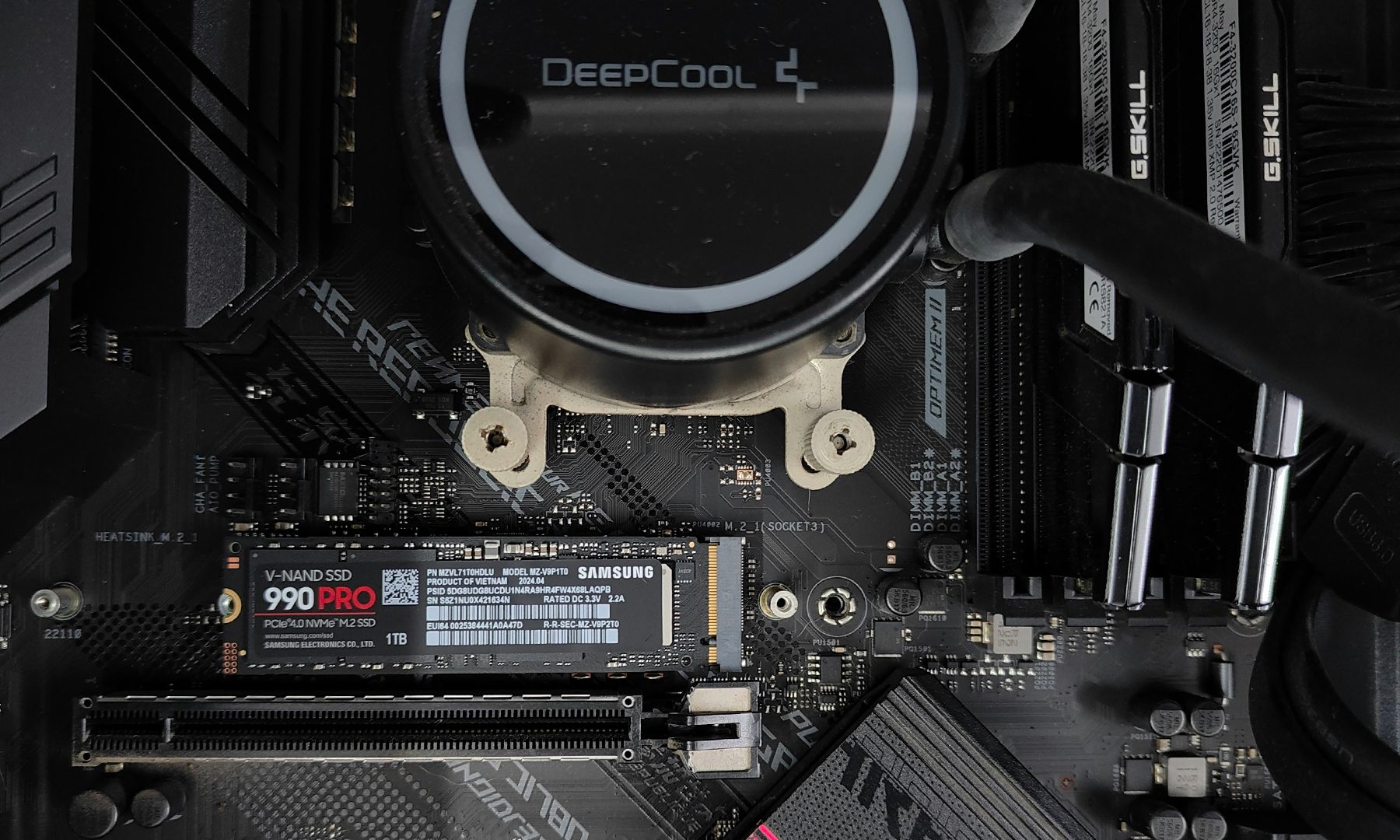
Okay, so what’s next? For now, the smartest move is to assume memory and storage prices won’t calm down anytime soon and plan around that. Keep an eye on PC makers that are stockpiling parts or adjusting configurations, as that will give you the best hint about where pricing is headed. If you’re building your own PC, expect to juggle between grabbing parts early (before another jump hits) or waiting for rare, short-lived dips. And if you’re shopping for a laptop, watch for subtle spec cuts in “new” models that quietly shave RAM or SSD sizes to keep sticker prices stable. The next few months will basically be about timing, patience, and dodging panic buys; the market’s in a weird place, but staying alert can still save you from paying more than you need to.