  1. Home
  2. Computing
  3. News

Asus Zenbook 14 gets a splash of new colors, and hopefully, a MacBook Neo-tier price, too

Asus’ refreshed 14-inch laptop pairs new colors with AI PC hardware, but its real appeal may come down to value.

Add as a preferred source on Google
Furniture, Table, Tabletop
Asus
Nvidia CEO showing the RTX 4060 Ti at Computex 2023.
This story is part of our coverage of Computex, the world's biggest computing conference.
Updated less than 7 hours ago

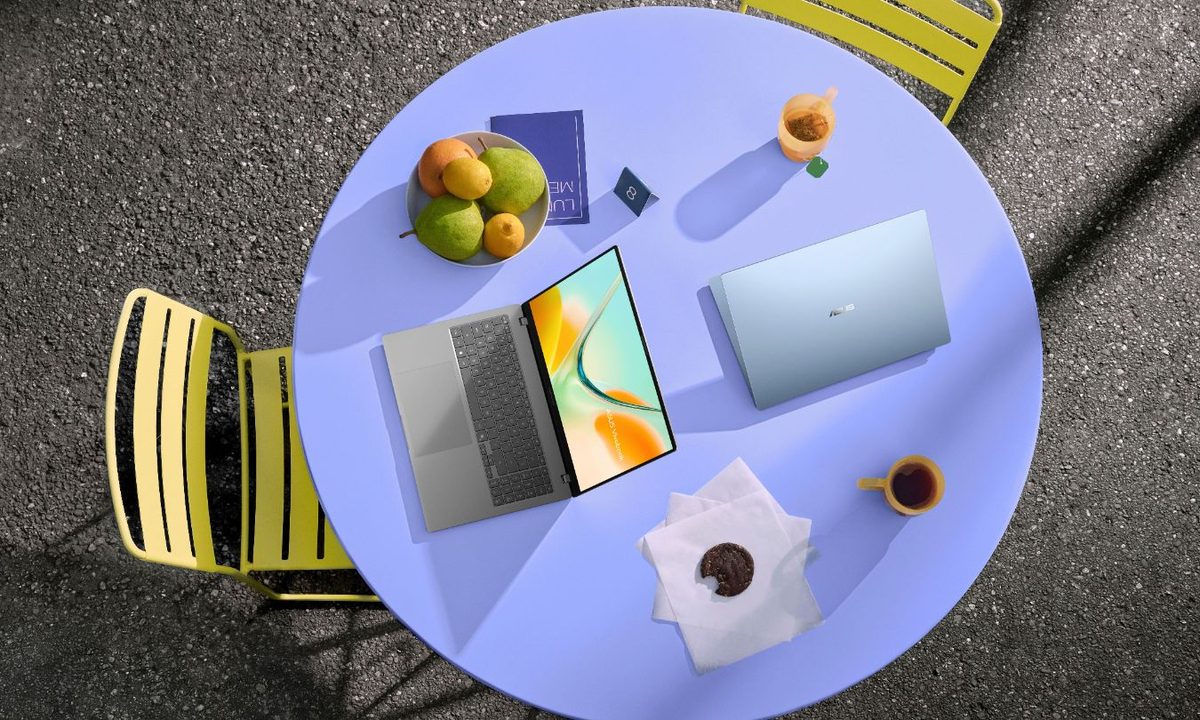
Asus has a new Zenbook 14 announced at Computex 2026 with the kind of color range most AI laptops still avoid. Arctic Blue, Komodo Coral, and Zabriskie Beige give this 14-inch ultraportable a livelier hook than another argument about neural processors.

The refreshed Zenbook 14 wraps those finishes around a 1.1kg Ceraluminum and metal chassis. It also checks the premium laptop boxes, with Copilot+ PC support, OLED display options, and processor choices spanning Intel, AMD, and Snapdragon. For a MacBook Neo rival, though, one unanswered detail matters most, price.

Why do the colors stand out

Most AI PCs still look built to disappear in an office supply closet. The Zenbook 14 pushes the other way, using softer nature-inspired finishes to feel less anonymous.
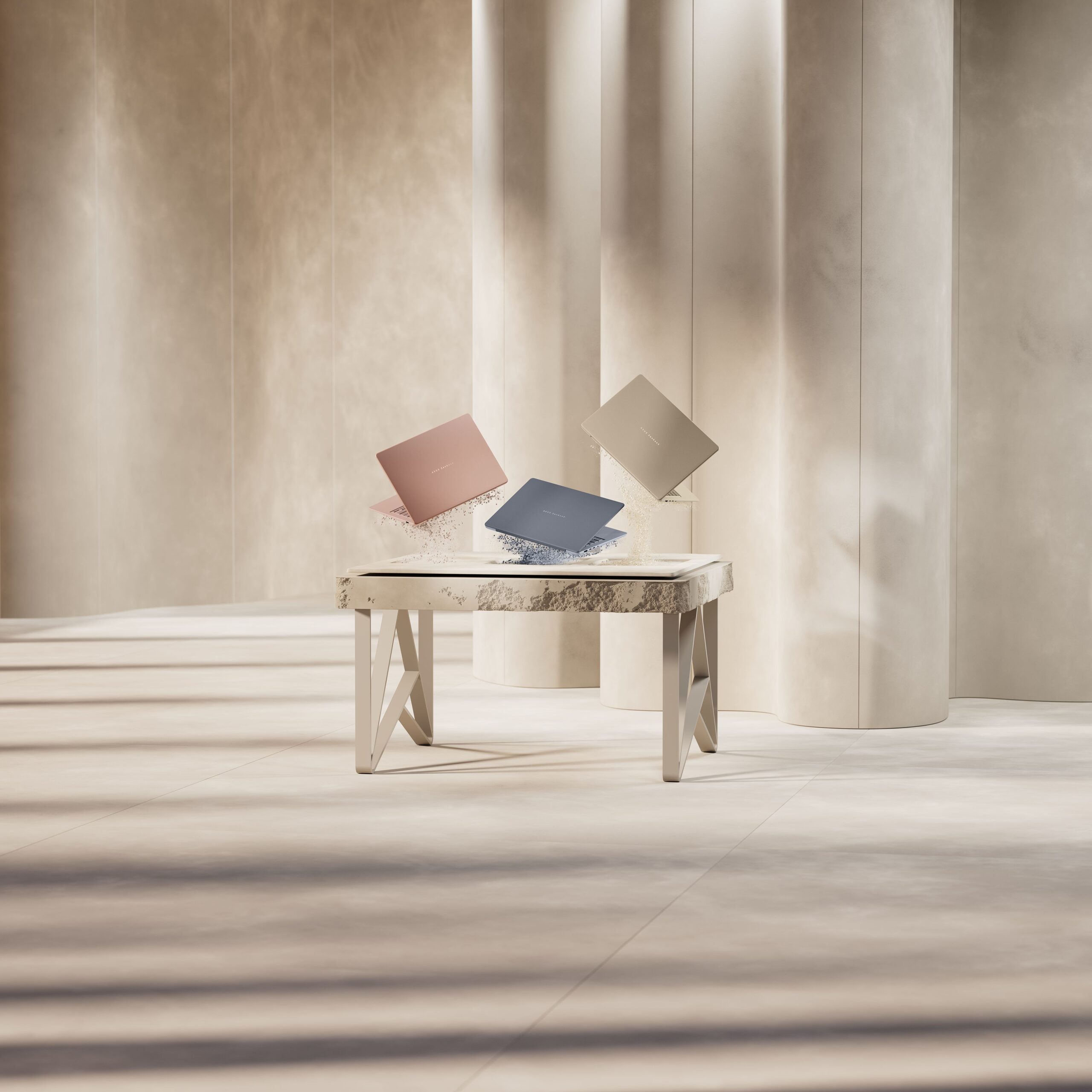
Asus lists a ceramic-style Ceraluminum lid, a metal body, a 16:10 OLED display, full I/O, a larger touchpad, and an easy-lift hinge. The tone-on-tone color treatment extends across the lid, logo, chassis, and keyboard, not just the top cover.

Recommended Videos

The Apple comparison is hard to avoid, but Asus has a cleaner lane than chasing the MacBook Air. Apple has restraint, while Asus is offering range. That advantage only holds if the Zenbook 14 lands at a price that makes the design feel like a bonus instead of a luxury tax.

How useful is the AI hardware

The Snapdragon version uses a Snapdragon X processor with a 45 TOPS NPU, while the broader lineup can reach up to 50 TOPS depending on configuration. That puts the machine in Copilot+ PC territory and gives it enough hardware for on-device AI features.

Battery life is the more useful everyday claim. Asus lists more than 21 hours of use, fast charging, and an all-in-one adapter, which matter more in a backpack than broad promises about smarter workflows.
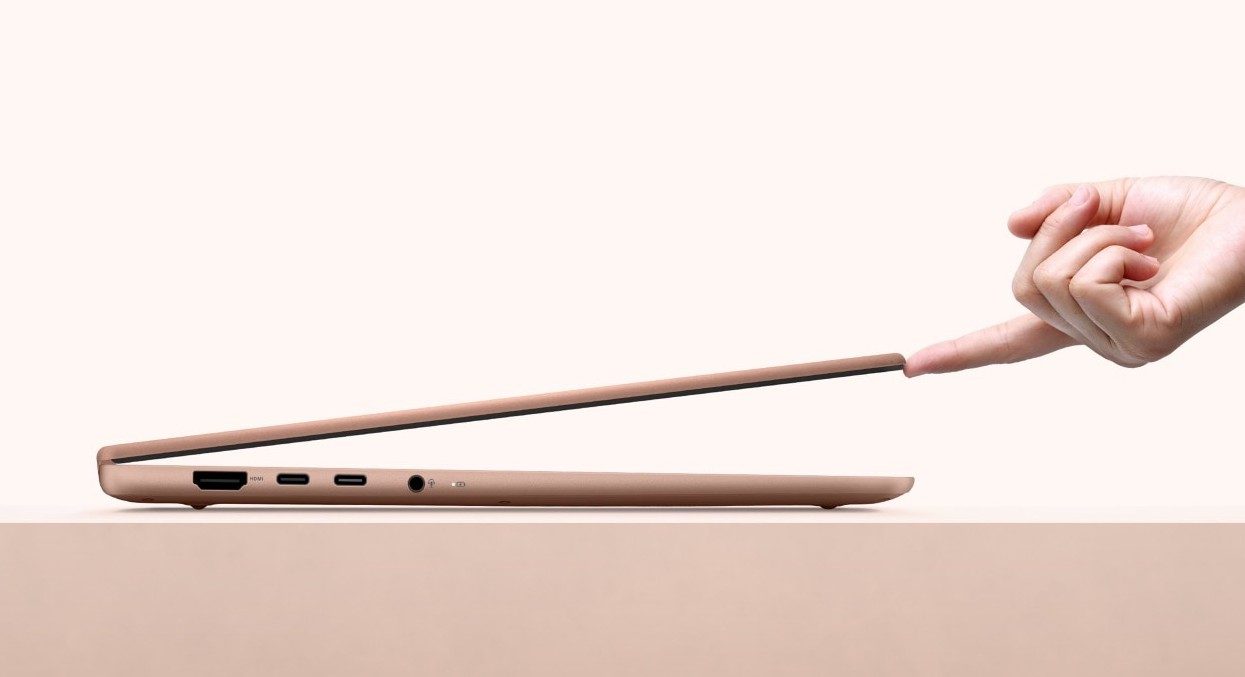
The OLED display helps, too. Asus lists a 16:10 panel with an 88% screen-to-body ratio on the Qualcomm model, aiming the machine at people who want a compact laptop without giving up a premium screen.

Will Asus get the price right

The Zenbook 14 doesn’t need to beat the MacBook Air at being a MacBook Air. It needs to feel different, stay light, last long, and come in low enough that the bolder design feels like a smart buy.

Asus hasn’t provided the most important buyer detail yet. There’s no confirmed price in the supplied information, and availability isn’t pinned down beyond the broader Computex announcement. That makes any MacBook Neo-tier comparison more hope than verdict for now.

A 1.1kg OLED laptop with real color options, Copilot+ PC hardware, and long battery claims has a clear lane if Asus avoids premium-for-premium’s-sake pricing. Watch for regional pricing, configuration splits, and whether every color comes to major markets.

Paulo Vargas
Paulo Vargas is an English major turned reporter turned technical writer, with a career that has always circled back to…
Buying a laptop may soon come with an instant carbon score thanks to AI
Researchers want AI to calculate the environmental cost of your next laptop
Laptop image

When shopping for a new laptop, most buyers compare specifications like performance, battery life, display quality, and price. But a new AI-powered initiative could soon add another metric to that list: carbon footprint.

Researchers are developing AI agents capable of calculating and displaying the environmental impact of consumer electronics in real time, potentially giving shoppers instant access to sustainability information before making a purchase. The effort aims to bring the kind of emissions transparency already available in services like flight booking platforms to the world of consumer technology.

Read more
The US government just hit the brakes on Anthropic’s most powerful AI models
Anthropic disables Fable 5 and Mythos 5 after US government directive
Laptop running Claude Fable

Anthropic’s troubles with the US government do not seem to be easing. The company has now been ordered to suspend access to Fable 5 and Mythos 5 for all foreign nationals, including foreign national Anthropic employees working inside the United States.

Anthropic said it received the directive on June 12 and is disabling the two models for all customers to comply. Other Anthropic models are not affected. The government has not publicly explained the full national security concern, but Anthropic says it understands the order is linked to a reported method for bypassing, or jailbreaking, Fable 5’s safeguards.

Read more
Nvidia’s RTX Spark made me hate content creation a little less
Adobe's AI-powered demos showed me a future where masking, rotoscoping, and scene detection might finally stop being a chore.
NVIDIA RTX Spark for Creators Image Generation Demo Computex 2026

Every video editor has a list of tasks they'd happily outsource to someone else. Exporting isn't one of them anymore because modern laptops are already plenty fast. The real-time sinks are the boring bits: manually masking subjects, finding scene cuts in long recordings, rotoscoping frame by frame, or wrestling with tedious edits that require more patience than creativity.

That's exactly why NVIDIA's RTX Spark demo at Computex 2026 caught me by surprise. I walked into the booth expecting another presentation full of AI buzzwords and benchmark charts. Instead, I walked out thinking that for the first time in years, hardware might actually be changing the editing experience itself, rather than simply making renders finish a little sooner.

Read more