
From fitness trackers to sensory technology, a growing category of devices is exploring how personalized guidance may fit into everyday wellness routines
A decade ago, most wellness products asked people to follow the same routine. Download the app, follow the plan, and hope it works.
That approach reflected how many health and wellness products were designed at the time. Whether someone was tracking exercise, improving sleep habits, or trying a new wellness device, the experience often looked nearly identical from one user to the next.
Consumers increasingly expect something different today. Streaming services recommend what to watch. Shopping platforms suggest products based on past purchases. Even navigation apps adjust routes in real time. As people have become accustomed to personalized experiences in other parts of their lives, many wellness companies have started moving in the same direction.
Rather than offering identical experiences to every user, many companies are building products designed to respond to individual habits and preferences.
The Shift Toward Personalization
Personalization now appears across much of the wellness market. Fitness apps adjust workout suggestions based on activity levels. Sleep trackers generate reports based on nightly patterns. Other products use questionnaires, sensors, or app-based feedback to create a more customized experience.
The goal is not necessarily medical treatment. In many cases, companies are simply trying to make wellness tools feel more relevant and easier to use consistently.
Exploring Sensory Technology
Another area attracting attention involves products that incorporate sound, vibration, light, or other sensory inputs. Companies are experimenting with how these experiences may fit into daily wellness routines, often combining wearable hardware with software that adapts to individual users.
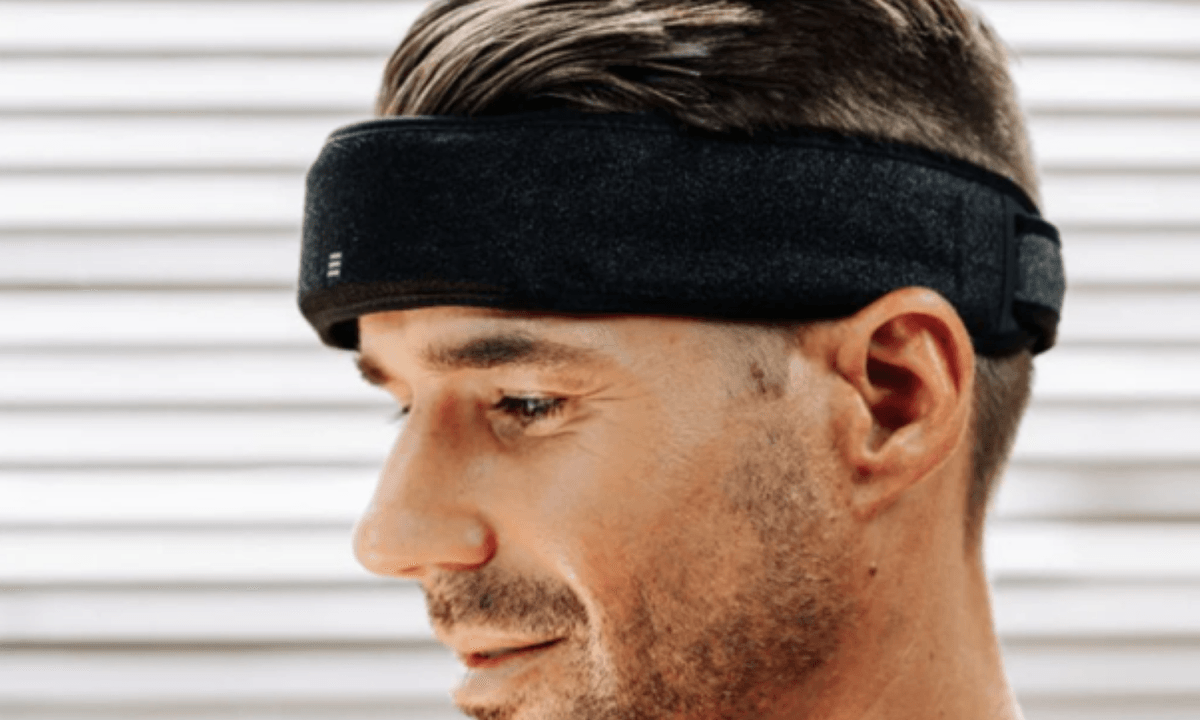
One example is SONU, a wearable device from SoundHealth. According to the company, users provide information through a companion app that helps tailor the acoustic experience delivered through the device.
The concept reflects a broader movement toward personalization rather than standardized experiences.
The Importance of Habit
One challenge facing wellness technology has little to do with innovation. It is consistency. Many people start new routines with enthusiasm only to abandon them weeks later. Because of that, companies often pay close attention to whether products become part of everyday habits.
According to company-reported information, SONU users have completed hundreds of thousands of treatment sessions. Those figures suggest that some users continue returning to the platform after trying it for the first time.
For wellness companies, that type of consistent engagement can be as important as attracting new users.
When Personalization Becomes the Expectation
Personalization has become a common theme across wellness technology, and that trend shows little sign of slowing.
Some companies are focused on fitness. Others are exploring sleep, mindfulness, comfort, or sensory experiences. Devices such as SONU illustrate how software, wearables, and user input are increasingly combined into a single experience.
The appeal of these devices may have less to do with the technology itself and more to do with the feeling that the experience was designed with the individual in mind.
This article is for informational purposes only and does not substitute for professional medical advice. If you are seeking medical advice, diagnosis or treatment, please consult a medical professional or healthcare provider.
Prices and availability are accurate as of the time of publication and are subject to change without notice. Please check the retailer’s website for the most up-to-date pricing information.


