
This content was produced in partnership with Apollo Neuro.
Stress, anxiety, and insomnia are all concerning things that just about everyone struggles with at one time or another. Maybe you can sleep, fending off insomnia, but you lack quality sleep and don’t feel rested in the morning. Or, maybe when it’s time to kick back and relax, you just can’t find a way to do so. There are many solutions for these issues, some work, and others don’t, but one unlikely area of support can be found in a modern, smart wearable.
Medicine is the obvious choice, but not everyone prefers to go that route. There is an answer in modern technology or rather a modern wearable device. One such device is the Apollo wearable, which improves sleep and stress relief via touch therapy. According to Apollo Neuro, the company behind the device, which is worn on your ankle, wrist or clipped to your clothing, it sends out waves of vibrations to help your body relax and reduce feelings of stress. It’s an interesting new approach to a common problem that has typically been resolved via medicine, therapy, or other more invasive and time-consuming techniques. The way it utilizes those vibrations, uniquely placed and administered, to create a sense of peace, makes us ask, can it really cure what ails us? We’ll dig a little deeper into how it achieves what it does and what methods it’s using to make you feel better.
To check out the Apollo wearable for yourself and learn more about the science behind the device, head to Apollo Neuro’s website . If you’re more interested in what Apollo has to say about their new product, and how it works, keep reading. Now’s also an excellent time to mention that as part of a sitewide sale from July 10th to July 12th, aligning with Amazon’s Prime Day, the Apollo wearable will only be $289. That’s $60 off the standard $349 price.
What is touch therapy?
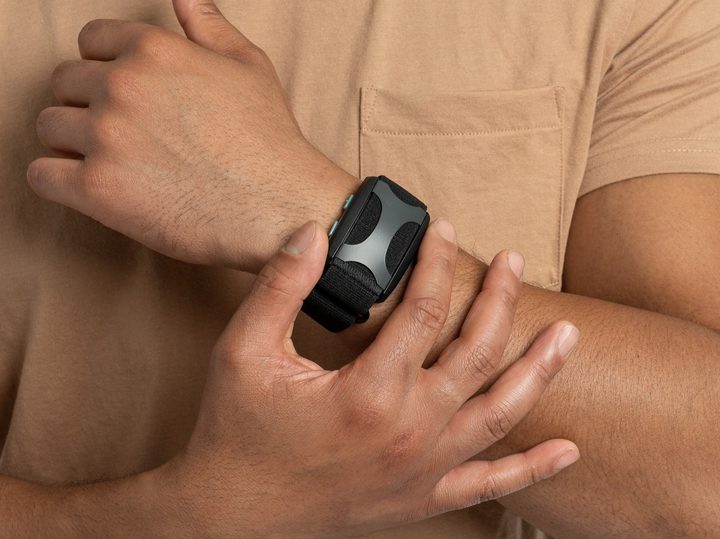
At the core of Apollo’s wearable is a new touch therapy experience. If you’re not familiar with touch therapy, Healthline places it next to categories of treatment and exercise like acupuncture, tai chi, and reiki. The idea is that by touching, or nearly touching, patients, this form of therapy can help relieve various issues. According to practitioners, touch therapy can help relieve anxiety and stress or reduce fatigue and help you get better sleep by redirecting the body’s energy.
The Apollo wearable’s take on these types of therapy is a bit different. Developed by a team of neuroscientists and physicians and tested by thousands in real-world and clinical trials, the device has impressive research behind it. The Apollo wearable provides gentle waves of vibrations directly to skin from a primarily wrist-worn configuration. According to the Apollo team, the rhythms of vibrations that come from the Apollo wearable promote better sleep, more energy, relaxation, and focus. Delivered as low frequency sound waves, felt throughout your body as soothing vibrations, It strengthens and rebalances your autonomic nervous system, so you spend less time in fight-or-flight mode and get more time to rest and digest. Using the Apollo Vibes app you can choose between seven different vibration modes, specifically to augment various daily activities. It can help you unwind, fall asleep, calm down, focus better, boost energy, be more social, and recover from a long day or intense moments.
With hundreds of thousands of happy customers, users are experiencing the benefits of a strengthened and balanced nervous system: they’re sleeping better, finding easier focus, more energy, and experiencing quicker recovery.
Increased sleep?
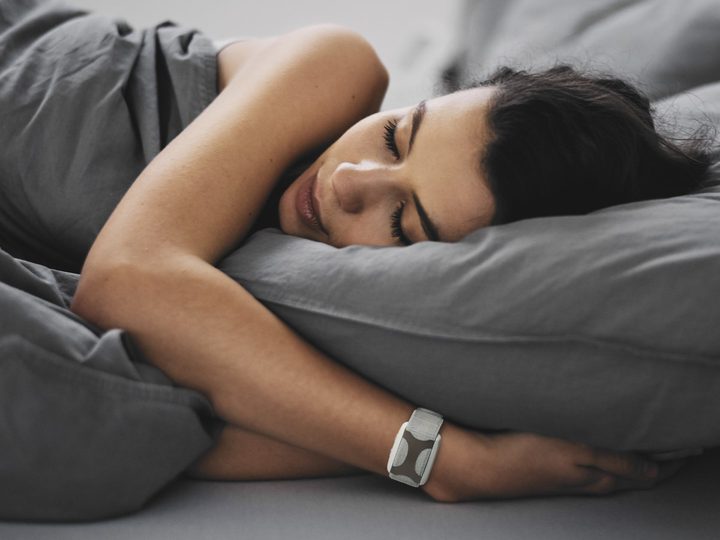
The makers of the Apollo wearable wanted a device that could be a safe and noninvasive alternative to sleeping pills. Interested in the effects of Transcutaneous Vibratory Stimulation (TVS) on sleep, Apollo started a study to test the effects of the Apollo on sleep quality and heart rate with real world users.
While the clinical trial is not set to end until 2025, Apollo has begun publishing interesting preliminary results on their own site. According to their data, people that wear their device for at least 3 hours per day, 5 days per week, experience a 6% average increase in total sleep time as well as a 14% increase in REM sleep and 19% increase in deep sleep. Integral to the experience, consistency is key, as you build resilience, better health, and comfort simply by wearing the device and feeling the vibes.
According to Dr. David Rabin MD, PhD, “sleep is the single most important factor for physical and mental health.” Thanks to the Apollo wearables’ natural benefits, you can wake up every morning feeling more rested and ready to take on the day, which, frankly, is already worth giving it a try. That’s before you even consider the other ways in which it helps your body and comfort levels.
Heart rate variability and the nervous system
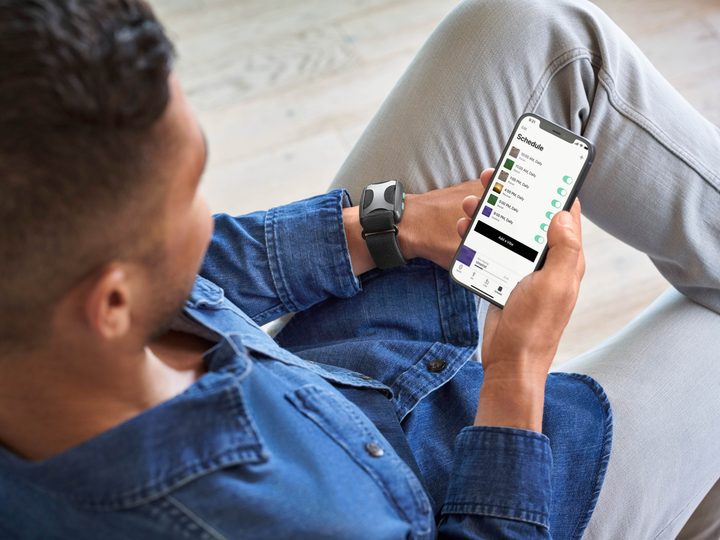
Another interesting point about the Apollo wearable is that it can increase the strength of your nervous system. This comes from its potential to increase your Heart Rate Variability (HRV). Having higher HRV is associated with better decision making while lower HRVs are associated with greater levels of uncertainty, for instance. A good HRV is also associated with having a healthier nervous system and easier ability to bounce back from stress.
According to Apollo, their wearable is the first wearable tech that is scientifically proven to improve HRV . For example, research suggests that vibrations rated as calming by individuals might possibly affect those same individuals’ physiological recovery after physical exertion. These vibes keep you better prepared to face daily challenges, regardless of what happens, even through stressful situations where intense emotions are at play.
Wear it comfortably
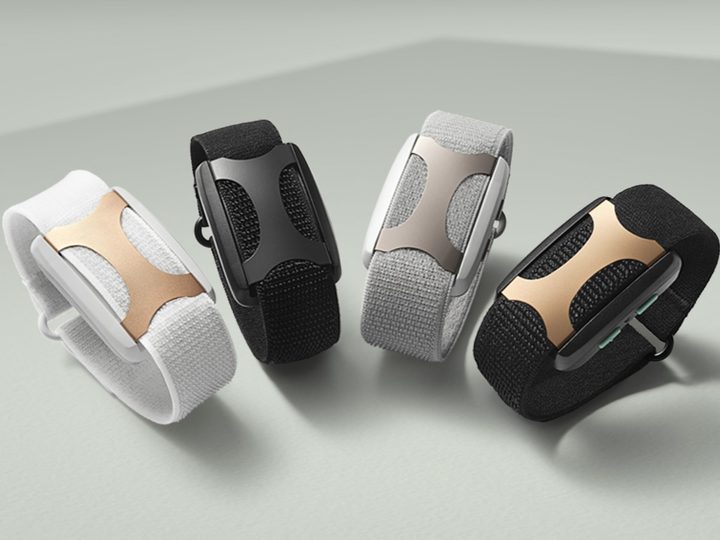
This is a wearable we’re talking about, so perhaps unsurprisingly, the Apollo wearable is discrete, comfortable, and easy to use! It won’t bog you down, and much like a smartwatch or traditional watch, in time, you may even forget it’s there on your body.
Of course, you might also like to know that the Apollo wearable can be used in a number of ways, which includes being worn on a band around your wrist or ankle. However, if that’s not preferable, the device can also be attached to your shirt collar, bra strap, or waist band for a similar effect.
If you want to try the Apollo wearable, which could have positive effects on your sleep and overall well being, you can check it out on the Apollo store linked below. And there’s never been a better time to do that since it is now $60 off, down from $349 to $289. Just follow the button below to get in on the deal, while it lasts from July 10th to July 12th.


