
Plants and flowers can make the inside and outside of your home not only aesthetically pleasing, but they can improve the environment, too. That is if you remember to water them. Plenty of flora have died at our hands simply because we’re either forgetful or too lazy to bother. But a new affordable automated watering system called the Cultivar RainCloud could not only make watering a manual labor of the past, but also possibly transforming the way we eat.
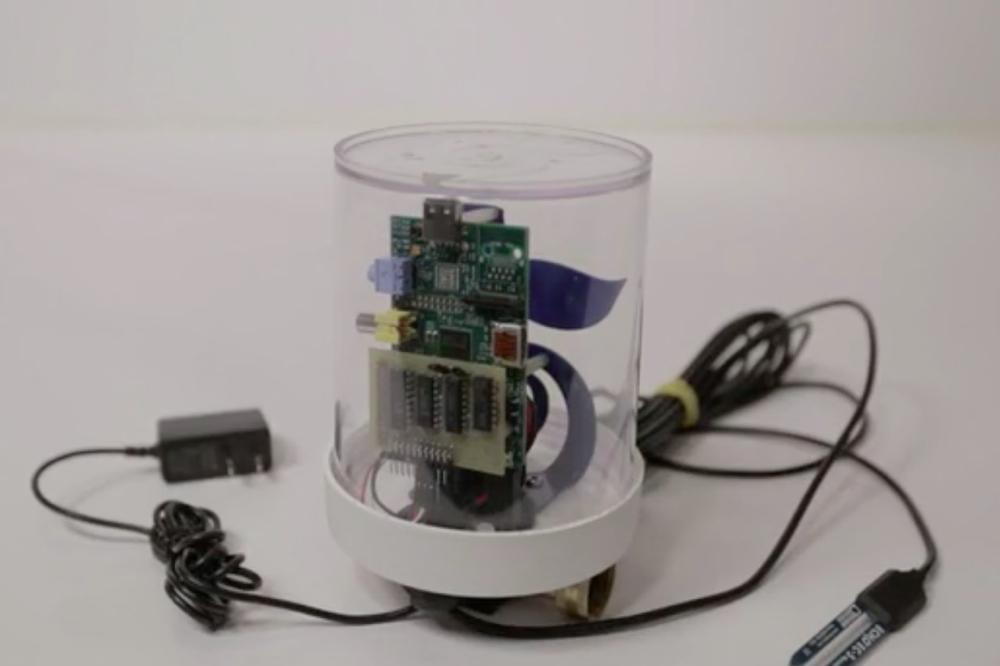
The RainCloud watering system consists of a Raspberry Pi computer equipped with Wi-Fi. Running on batteries or solar power, the RainCloud regulates the water flowing through a 3/4-inch garden hose. A soil sensor that measures the ground conditions lets the RainCloud know when to start watering – when it’s wet enough, the system turns off the water, helping to save water. The user controls and monitors the system using Web-based apps from a smartphone or computer via a home network. Even when you can’t rush home in time, the RainCloud can automatically water your lawn or plants for you, or you can tell it to from your phone.
 Besides looking for a way to develop a viable irrigation system on the cheap, creator Ryan Talermo has a larger-picture goal in mind. While computerized watering systems have been around, they are too expensive for small-batch local farmers to afford. “With RainCloud, Cultivar is striving for hardware, communication and information systems that are flexible and support the evolution of environmentally responsible precision agriculture, mobile lifestyles and community co-operation,” Cultivar writes on his Kickstarter page. Cultivar hopes the system can revolutionize farming, and help more people move away from processed or commercially farmed foods and toward fresher produce.
The Kickstarter project has successfully reached its $25,000 goal. Cultivar said it will continue to develop the project with new hardware, communication, and information applications.


