Speaking at the 2016 Startmeup Hong Kong Venture Forum this week, SpaceX’s Elon Musk (aka the real-life Tony Stark) shared the details on a number of his ongoing ideas and projects, including when he’d like to travel to the International Space Station. After serving up an answer of “maybe four or five years from now,” Musk’s interviewer was rightfully caught off guard, however, it was what he shared next about SpaceX’s mission to Mars that really put the jaws of those in attendance on the floor. According to Musk, the Hawthorne, California-based aerospace company plans on sending astronauts to the red planet in just nine years.
You read that correctly; nine years.
While his answer certainly stunned the attending crowd, Musk himself was far less concerned with the relatively small window, saying, “well, nine years, seems like a long time to me.” Though his nonchalance aroused a laugh, a video of the event published to YouTube shows just how serious Musk is in his assessment. Moreover, the SpaceX CEO elaborated on why Mars is so important to humankind, saying the decision to travel to Mars comes down to one fundamental question: what kind of future is more desirable?
“Do we want a future where we are forever confined to one planet until some eventual extinction event, however far in the future that might occur,” Musk says during the interview. “Or do we want to become a multi-fantasy species and then ultimately be out there among the stars, and be among many planets, many star systems. I think the latter is a far more exciting and inspiring future than the former.”
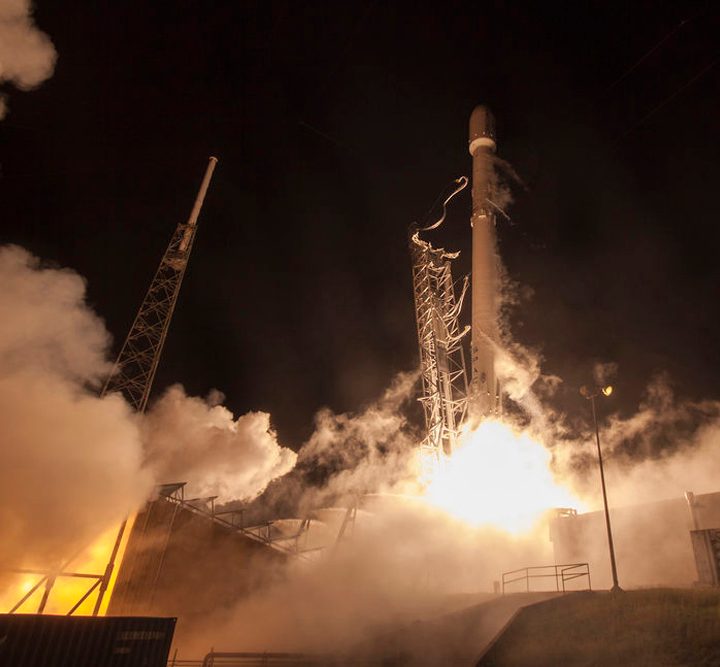
Musk essentially doubles down on this assessment, calling Mars not only the “next natural step” in mankind’s inevitable odyssey into the cosmos, but also that it’s the only planet anyone has a real chance at creating a self-sustaining colony on. In his eyes, once a colony is established on Mars, the advancement of space travel will likely snowball and open up the possibility of forming additional settlements within the confines of our solar system and beyond. Though Musk laughed off the prospect of wanting to go to Mars as a sort of backup plan or exit strategy, the mogul did offer up two separate reasons as to why Mars is important.
“So there’s the defensive reason of protecting the future of humanity and ensuring the line of consciousness is not extinguished should calamity befall Earth,” Musk says. “But, personally I find what gets me more excited is the fact that this would be an incredible adventure. Really, the greatest adventure ever. It would be exciting and inspiring, and there need to be things that excite and inspire people and be reasons why you get up in the morning, you can’t just be solving problems. It’s gotta be ‘yeah, something great’s gonna happen in the future.'”
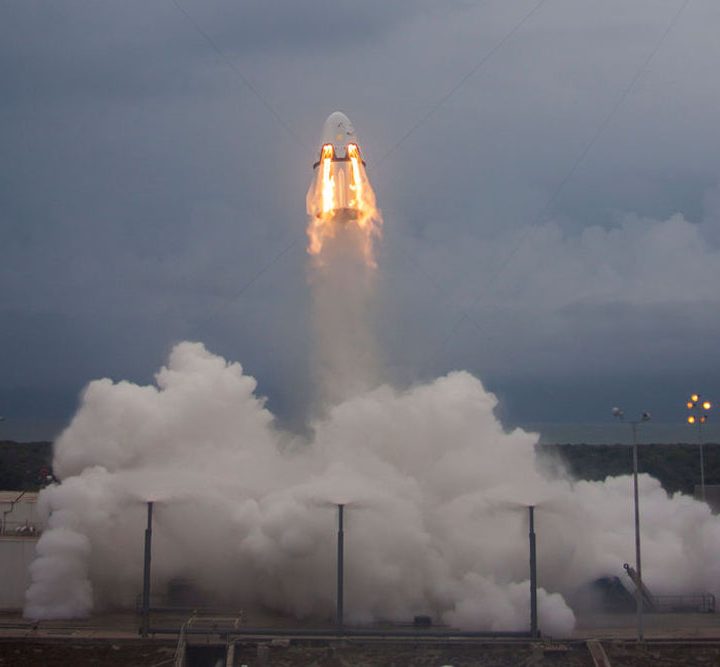
To show just how SpaceX plans to deliver on these seemingly mountainous goals, Musk says he plans on sharing the architecture of the company’s next phase of rockets, as well as a detailed mission to Mars, at this year’s International Astronautical Congress in Mexico. During the event, it’s likely Musk reveals more about the testing done with SpaceX’s Dragon capsule (seen above), as well as any advancements made with its Mars Colonial Transporter program. As far as more information about what the CEO is doing to prepare for his eventual trip to space? According to him, the journey won’t be that difficult.
“I don’t think it’s that hard, honestly,” Musk says in response to the interviewer asking how he’s prepping for the “ultimate flight” of his life. “I mean, you just float around. It’s not that hard to float around.”
His response on space travel notwithstanding, it seems there’s nothing on our planet or the next that would ever scare Elon Musk away from continuing to do what he does best; persistent and revolutionary innovation.