  1. Home
  2. Emerging Tech
  3. News

Harvard launched an open-source wallet that stores biometric data on your phone instead of servers

New Keyring wallet could stop companies from profiting off your personal identity data

Add as a preferred source on Google
Fingerprint (shutterstock/ italianestro)
Italianestro / Shutterstock

Every time you create a new online account, you’re handing over personal data to a server you’ll never control. Since an average person can have hundreds of online accounts on different services, that adds up to a lot of data sitting in corporate databases.

Researchers at Harvard’s Applied Social Media Lab say that this system puts your privacy at risk and makes you more vulnerable to identity theft. Their solution to this problem is Keyring, an open-source identity wallet that stores your biometric data on your phone instead.

How does Keyring actually work?
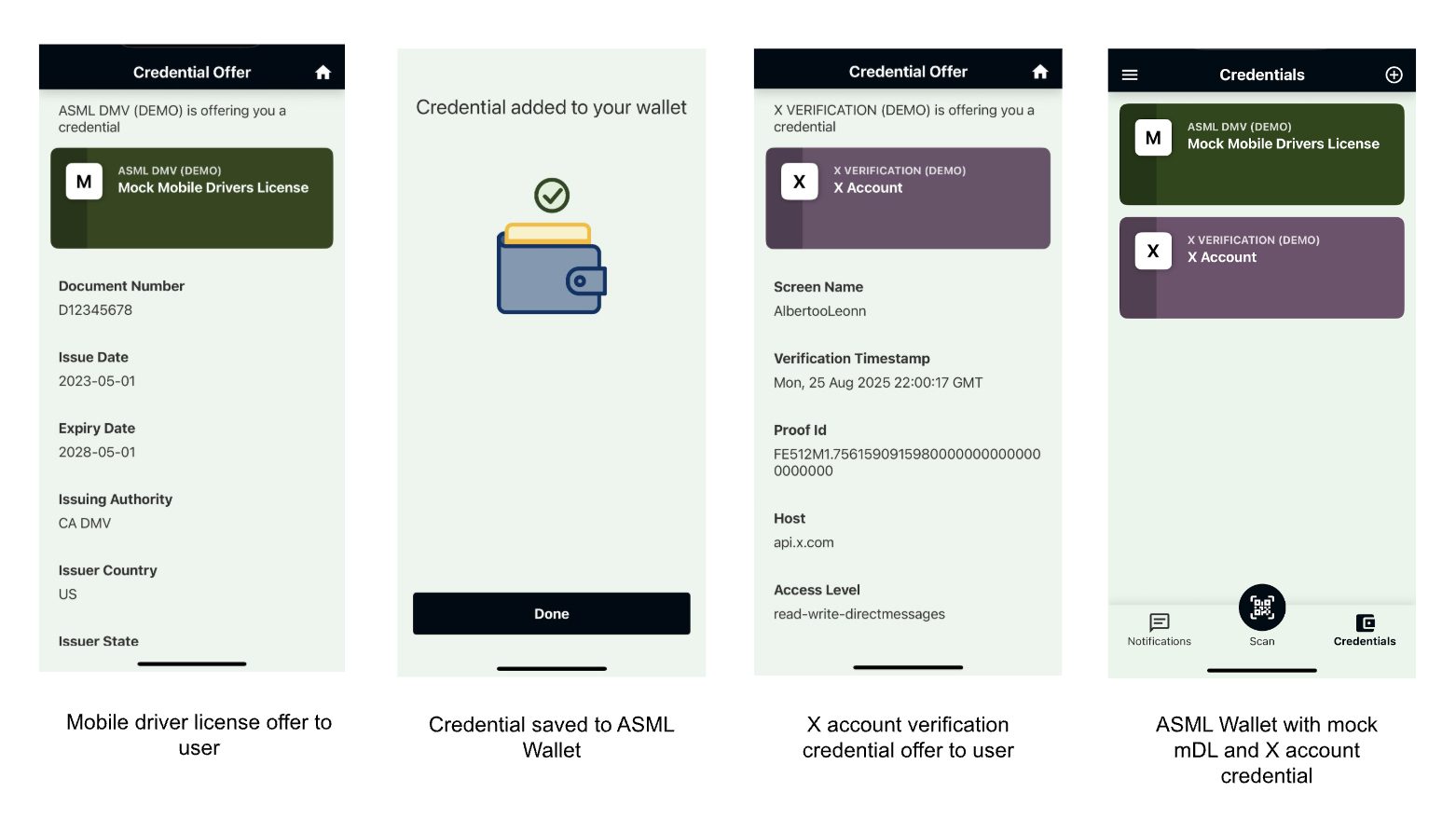
Think of it as a privacy-first digital ID. Rather than exposing your full details to every service you use, Keyring lets you share only what’s strictly necessary.

Recommended Videos

Services like Tinder have already started exploring biometric identity checks to check if the users are real humans. It shows how massive the identity problem has become across platforms on the internet.

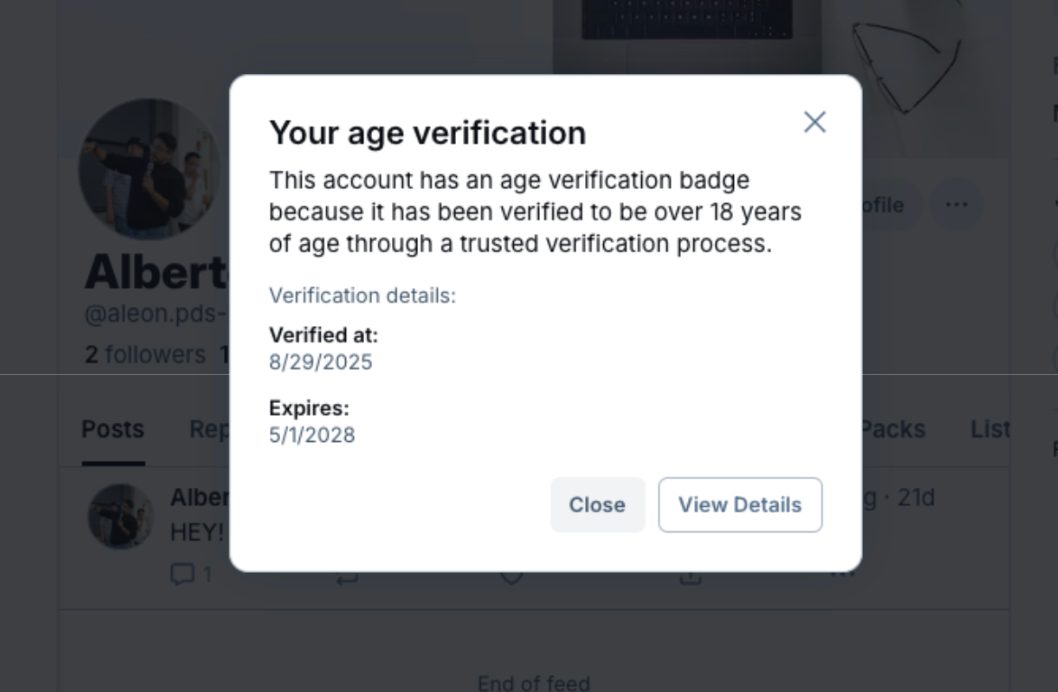
So, if you want to verify you’re an adult, Keyring will verify that without revealing your actual birthdate. Or maybe you need to get an email account verification done; Keyring can also do that for you without exposing your username.
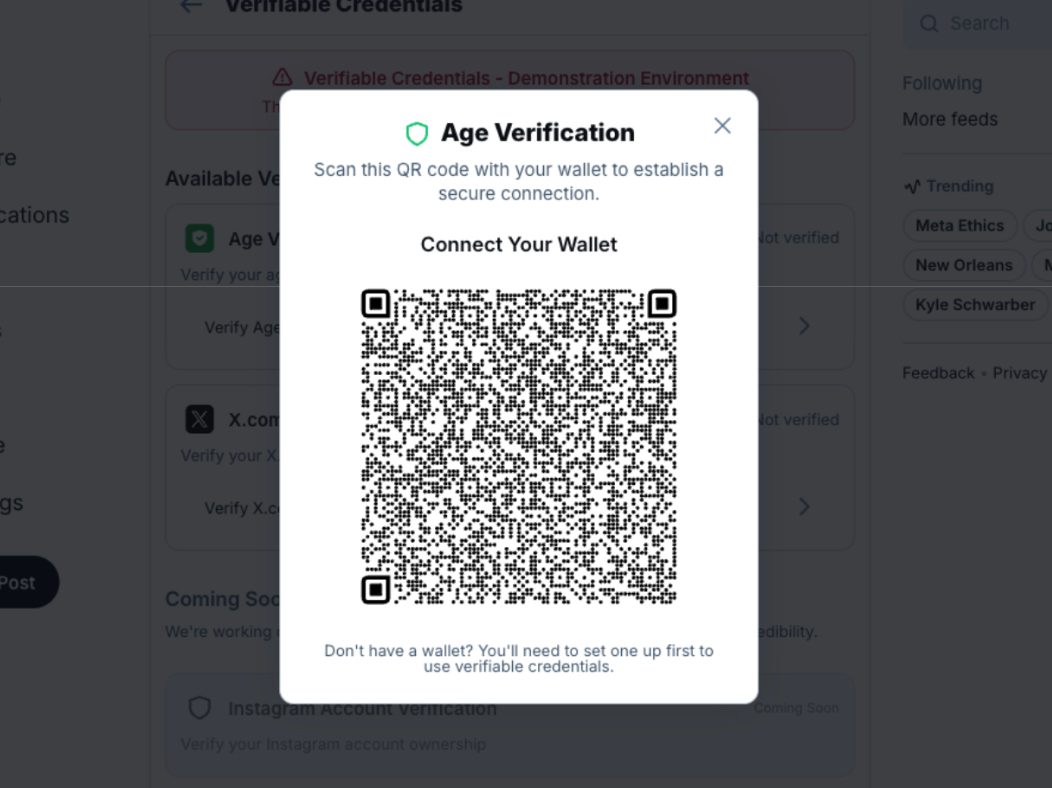
You authenticate through biometric data like a fingerprint or face scan, which never leaves your device. You can also add verifiable credentials like a digital driver’s license or proof of employment.

The wallet was built in collaboration with the Linux Foundation’s Decentralized Trust Graph Working Group and is already being demonstrated on Bluesky.
Keyring also lets two people verify an in-person connection without routing anything through a platform like LinkedIn. Every verified connection contributes to a decentralized trust graph, a network where no central database holds your identity data, but everyone in your circle can confirm each other’s credentials.

What’s next for the Keyring wallet?

The biggest challenge isn’t technical. Institutions, governments, and corporations would need to issue and recognize verified credentials for Keyring to work at scale.

Right now, those entities have little incentive to participate because they currently profit from owning and monetizing your data. Researchers say a grassroots push for greater data agency may be the most realistic path forward.

Harvard is also actively looking for collaborators and test partners to help shape where the project goes next.


Manisha Priyadarshini
Manisha Priyadarshini is a tech and entertainment writer with over nine years of editorial experience.
Think music is the worst hit by slop? AI has deeply polluted podcasts, as well
AI podcasts are turning audio platforms into slop factories
Young woman listening to a podcast

AI slop has already flooded video feeds, gaming debates, software code, and search results. Now the same low-effort machine-made content is moving into podcasts.

Music usually dominates the AI slop debate, but the podcast problem may be harder to spot and harder to clean up. AI tools can now create, upload, and even monetize entire shows far faster than traditional podcast studios.

Read more
AI-fueled health policies are depriving the needy in one of the world’s poorest countries
A flawed AI system is driving up medical costs for Kenya’s poorest families
Two kids in Kenya

Kenya was promising wider access to more affordable healthcare. But a new investigation has revealed that its algorithm-driven system is making life harder for the people it was supposed to help most. According to reporting by The Guardian, Africa Uncensored, and Lighthouse Reports, Kenya's new Social Health Authority system is using a predictive machine-learning algorithm to estimate how much people should pay for public health insurance.

The system was first launched back in October 2024 as part of President William Ruto’s promise to expand healthcare access to Kenya's large informal workforce.

Read more
The legendary Oak Ridge lab just developed a portable device that detects GPS-spoofing live
Thieves can hijack your GPS and make everything look perfectly normal. Scientists just built the fix.
GPS spoofing example image

We trust GPS like we trust gravity. It just works and gets us where we want to go. But what if someone could trick it into lying to you, and you'd have absolutely no idea?

Unlike jamming, which floods your GPS with noise and at least lets you know something is wrong, spoofing sends fake signals that look completely legitimate. You might be tracking your car or a shipment and think everything is alright when actually the shipment has been routed to someplace else, with you none being the wiser. 

Read more