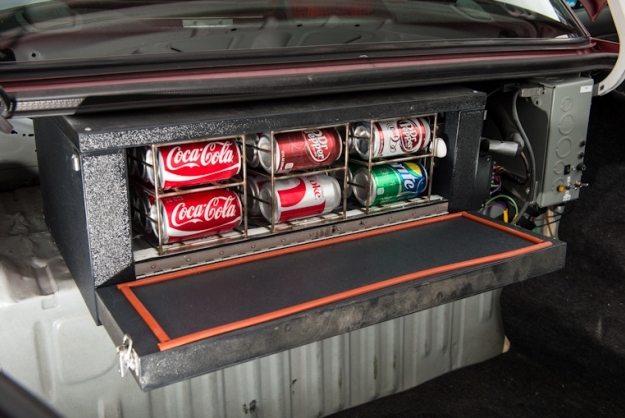
Sorry, New York and your “Taxi of Tomorrow,” New Orleans has taken the crown for being the first American city to offer cabs equipped with vending machines. A project by the New Orleans Carriage Cab, passengers can select 99 cent options of soft drinks which will dispense from the back of their seat.
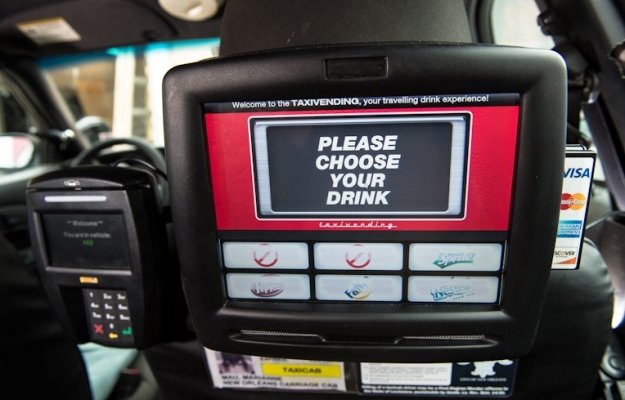 According to PSFK, the machine-equipped taxis can hold up to 36 drinks in the refrigerator hidden behind the seat. Passengers have a selection of popular soda choices like Coke, Sprite, Fanta, Nestea, and various diet options, and can make their purchase through a touchscreen menu before paying by debit or credit.
The project had reportedly been in testing for the past six months before things officially rolled out in New Orleans; The city now has 250 cabs with built-in machines, which should please drunk, thirsty, and tired passengers with the munchies. If riders are done with their drinks before the trip is over, they can also toss them out from inside the cab and the used cans will be recycled on a weekly basis.
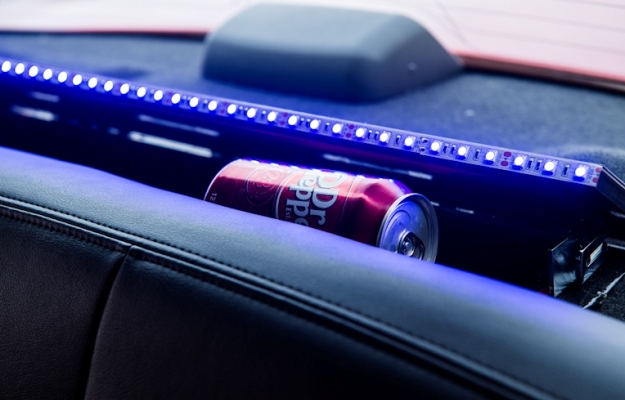 In comparison to New York City’s “Taxi of Tomorrow” campaign, last year’s TaxiTreats concept went beyond canned drinks with its attempt to offer snack bars, over-the-counter medication, and gum. We’ve yet to see any fancy new cabs in the city, but New Orleans Carriage Cab says its modernized vehicles will soon make their way north – starting with Chicago and the Big Apple. Wonder what Mayor Bloomberg will think about offering sweet, sugary drinks in his city’s famous yellow cabs.