
Next time you start daydreaming about quitting your desk job, moving to northern California, and making millions as a ganja farmer, you might want to think twice – the fuzz can watch you with Google’s eye in the sky. Authorities in Grants Pass, Oregon, were able to bust Curtis W. Croft’s backyard marijuana growing operation after seeing satellite images of his property on Google Earth.
According to the Grants Pass Daily Courier, local police were initially tipped off after Croft was reported to have been bragging about his bountiful crops around town. After catching word of his activities, somebody in the force had the bright idea to do some research and check out an aerial view of his property online. Once they saw the neatly-planted rows of greenery, they had to dig deeper.
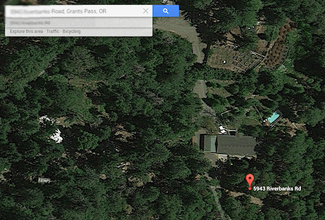 Google Earth images are rarely up to date, so to confirm that the drugs were still being grown, The Rogue Area Drug Enforcement Team then sent up a small aircraft to take pictures of Croft’s property. The images they snapped affirmed that the grow op was indeed still up and running. There’s no telling exactly how outdated Google’s satellite images were, but it’s safe to say that Croft had been in the growing game for quite a while.
Medical marijuana is actually legal in Oregon, and as a registered caretaker with five patients, Croft was legally allowed to grow up to 30 mature plants. But when the cops raided his property last week, they discovered 94 – more than triple his legal limit. Croft was arrested on drug charges and released last week according to the Seattle Times.
So a word to the wise for all you aspiring drug kingpins out there: If you plan on growing ganja, make sure you plant it erratically so web-savvy cops can’t spot your garden from Google.
This article has been updated to amend an unintentionally misleading headline


