  1. Home
  2. Emerging Tech
  3. News

Shift will tidy up your home for free, but will record the chores to train robots

Everyday chores are becoming the raw material for future home robots

Add as a preferred source on Google
Person with camera attached to collect physical AI data
Shift

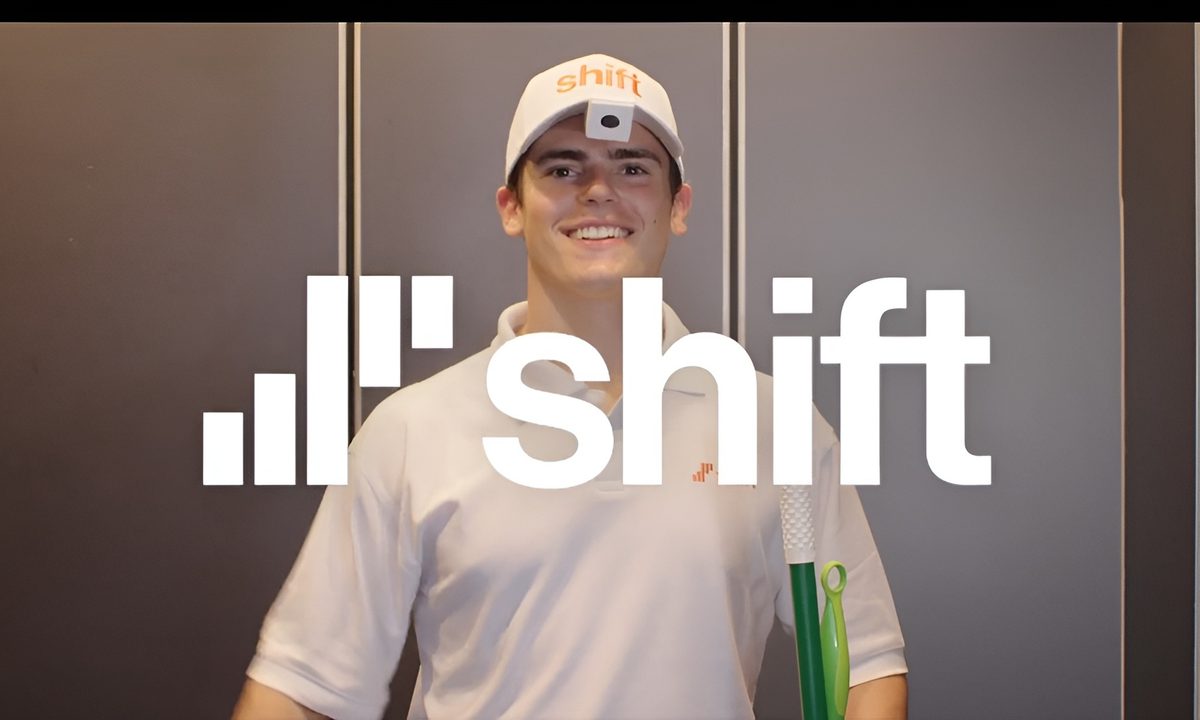
Shift is offering to clean homes for free, but there is one important condition. The company will record those chores to build training data for future home robots.

The New York-based startup is currently offering free cleaning services, in which a vetted operator visits a home and wears a camera-equipped device while performing routine household work. The footage can then help AI systems understand how people clean homes outside controlled lab settings.

Your messy home is valuable AI training data

AI companies have already used text, images, and videos from the internet to train software models. But robots need a different kind of data. They need to understand physical spaces, household objects, and the messy logic of everyday chores.
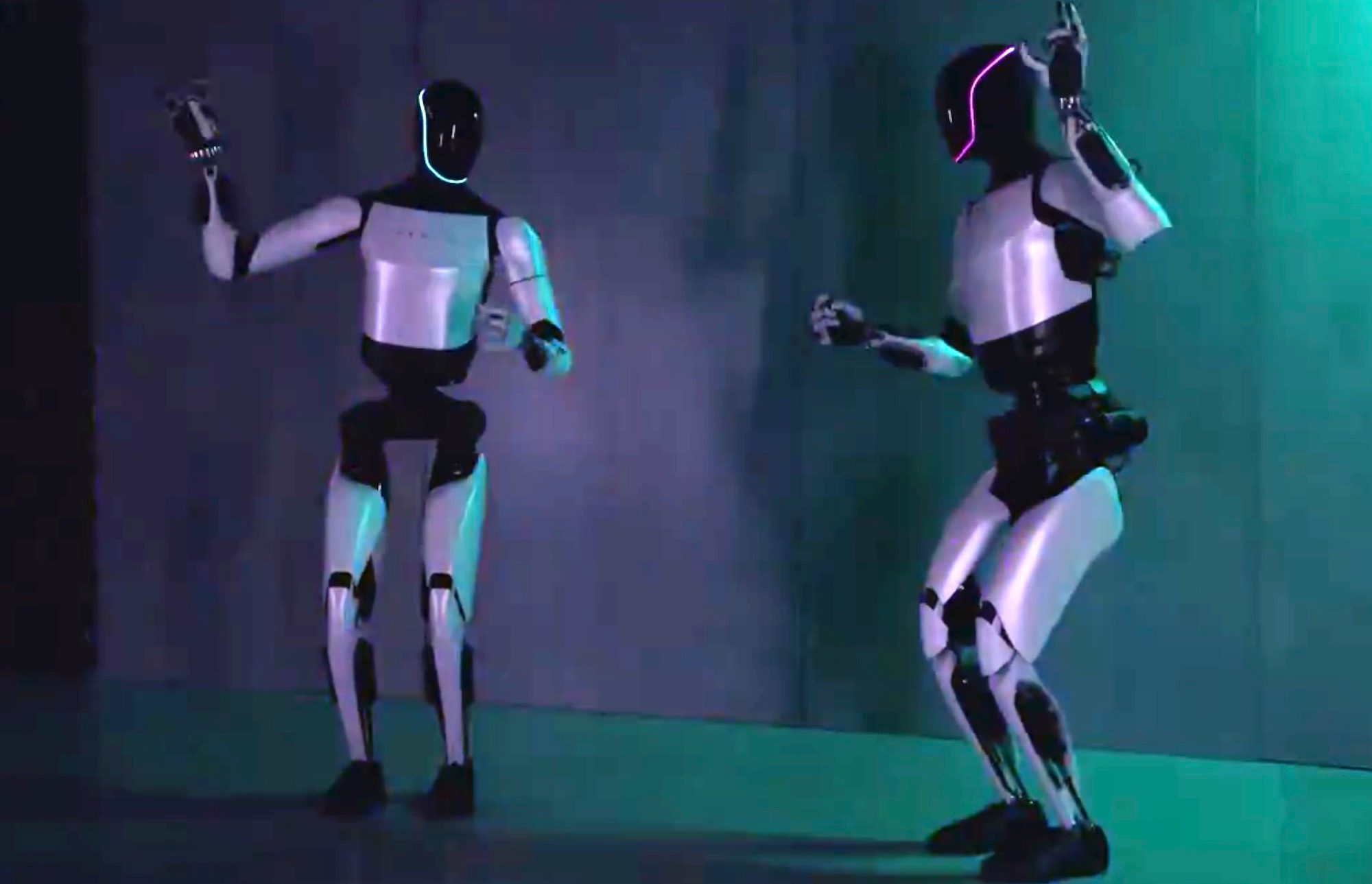
A robot cannot learn home cleaning only from staged lab videos. Real homes have cluttered tables, dishes stacked in awkward ways, stains in corners, and objects placed where they should not be. That kind of chaos is what makes household footage useful.

Recommended Videos

Shift is not the only company chasing this kind of physical AI data. In India, startups and data vendors are already building businesses around this demand, paying workers to record first-person videos of everyday tasks and supplying that footage to AI companies. For robotics firms, ordinary human labour is becoming valuable training material.

This is where it starts to feel a bit dystopian

Cleaning may only be the start. In the announcement video, Shift says it eventually plans to move into other areas like plumbing, cooking, and building.

https://twitter.com/joinshiftX/status/2060044783519735987

For years, the fear around AI has mostly been about office jobs. Writers, coders, designers, and customer support teams have already felt the pressure, and in some cases, that fear has started turning into job losses.

Trades have largely escaped that conversation because physical work is harder to automate. A chatbot can write an email, but it cannot fix a leaking pipe or clean a messy kitchen. Companies like Shift are trying to close that gap by collecting footage of people doing those exact tasks.

AI and robotics may still need time to match the efficiency and precision of a human worker. But watching companies collect this kind of data to train advanced robots feels like the opening scene of the kind of sci-fi movie that does not end well for humans.

Sudhanshu Kumar Mangalam
I’ve got about 4 years of experience, mostly covering gaming, PC hardware, and smartphones. In my free time, I like…
This new video editor lets Claude organize, generate, and edit right on your timeline
Laptop running Claude Fable

For years, AI video tools have mostly lived outside the editing process. You generate a clip, download it, import it into your editor, and continue working. A new app called Palmier Pro aims to eliminate some of those extra steps by bringing AI directly into the video timeline.

The newly launched software, available for macOS, is being marketed as a video editor that Claude can use. Instead of treating AI as a separate chatbot or content generator, Palmier is designed to let an AI assistant interact with an active video project and make changes within it.

Read more
MIT experts just made a special memory. When humans forget, robots will just fetch the lost item
MIT’s new robot memory could make lost keys your robot’s problem
A robotic arm.

Robots may be the new best friend for forgetful humans. MIT researchers have developed a long-term memory framework for robots that can help them build a detailed mental model of large, complicated spaces. The system is called DAAAM, short for Describe Anything, Anywhere, Anytime, at Any Moment, and the goal is to let robots remember objects, locations, and details over time.

This might not sound headline-grabbing, though robots are still surprisingly bad at something humans do casually. You may remember that your keys were on the kitchen counter last night, or that a half-finished part was left in a factory bin. However, a robot working beside you would struggle to connect that object and location in a useful way.

Read more
A strange little electric nose may be the missing piece for smart fridges
The carbon nanotube chip detects food, allergens, and spoilage signals at room temperature.
Electronics, Hardware, Printed Circuit Board

UC Berkeley researchers have built an electric nose that can detect gases tied to spoiled food and common allergens more consistently than a human sniff test. The device uses a 16-sensor gas sensor chip that turns reactions with food-related gases into electrical signals.

Kitchen judgment can get messy because food doesn't always look or smell risky before it becomes a problem. Milk, eggs, chicken, fruit, and nuts release different chemical signatures, and people usually have to decide with whatever their nose catches in the moment.

Read more